Apr 25, 2025


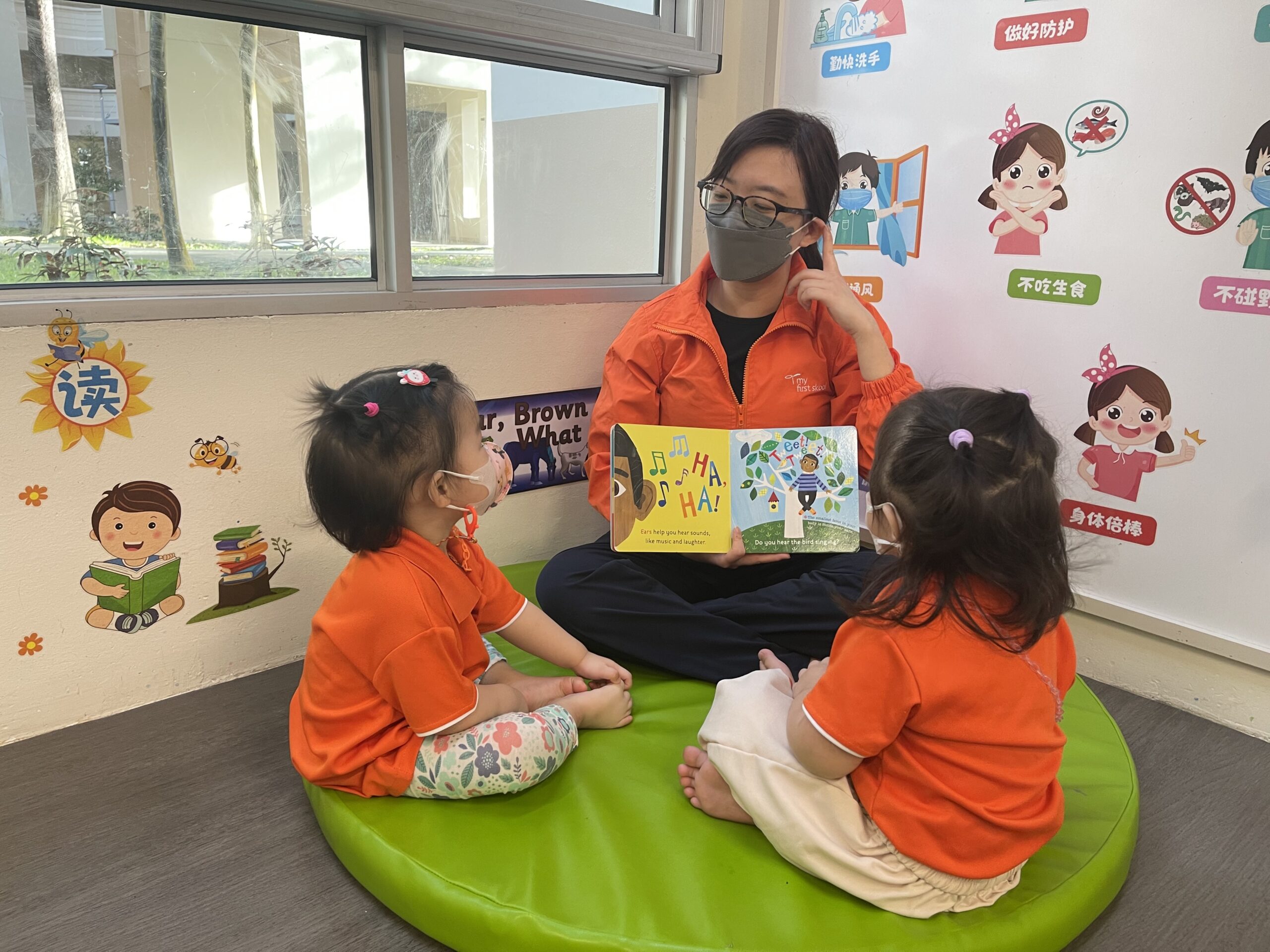
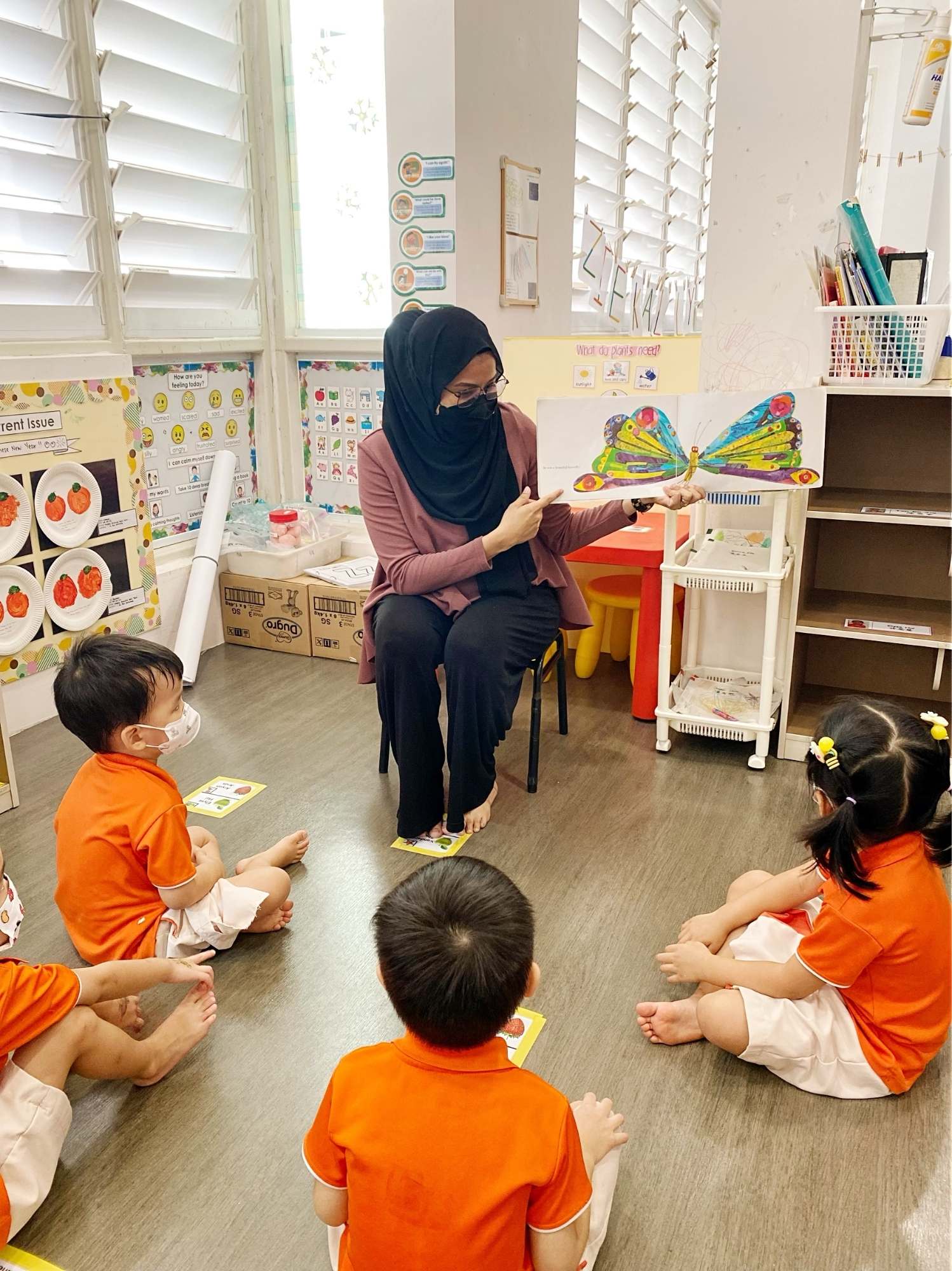
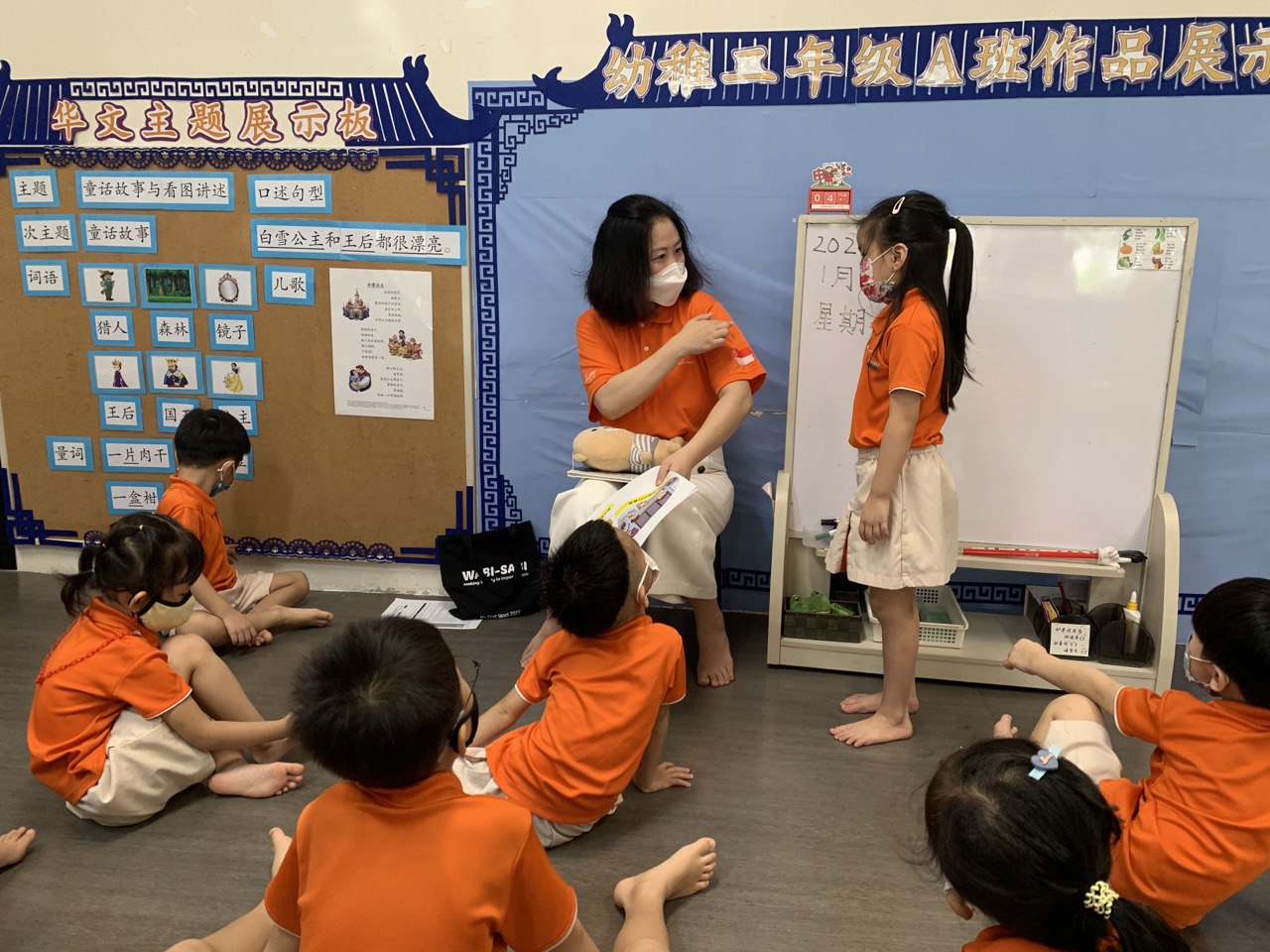
Show and Tell is a beloved activity in early childhood education, offering children the chance to share personal treasures or stories with their friends. This practice not only brings joy but also plays a pivotal role in a child’s holistic development. By standing before their classmates to present, children enhance communication skills, build self-confidence, and…
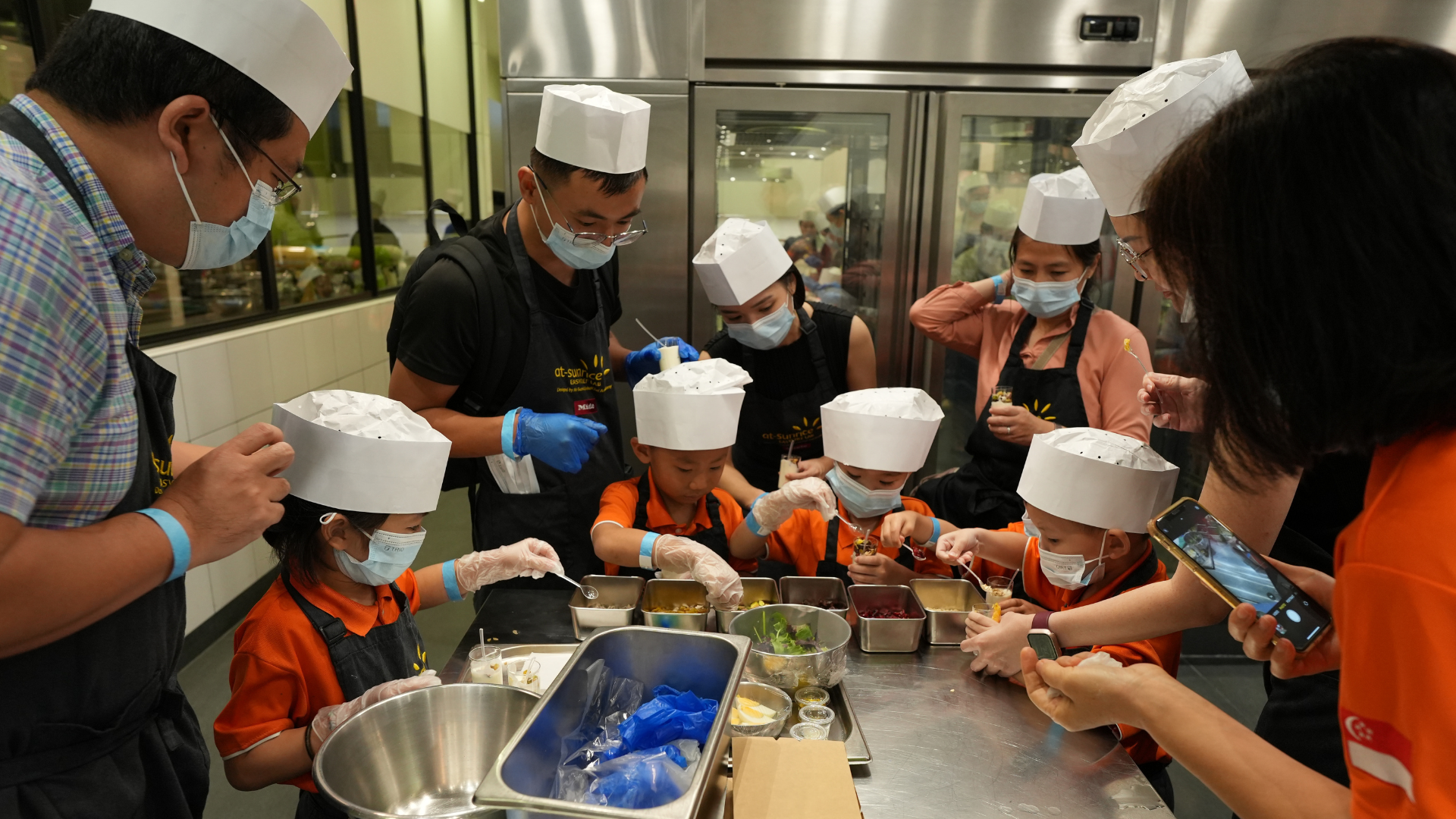
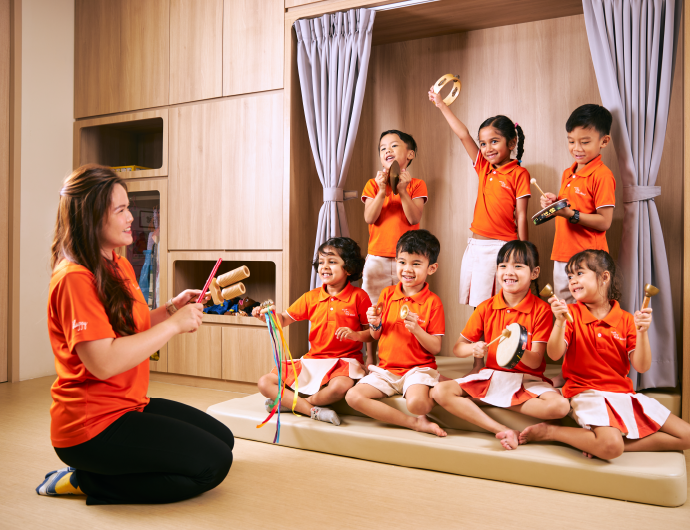
Show and Tell is a beloved activity in early childhood education, offering children the chance to share personal treasures or stories with their friends. This practice not only brings joy but also plays a pivotal role in a child’s holistic development.
By standing before their classmates to present, children enhance communication skills, build self-confidence, and learn the art of storytelling. Moreover, listening to others during these sessions fosters empathy and active listening, essential components of social interaction.
Selecting meaningful items for Show and Tell enriches the experience, making it both enjoyable and educational.
Here are 15 engaging Show and Tell ideas to inspire children and educators alike:
Have your child bring in a book they love! They can give a quick summary, talk about their favourite characters, and share why it’s special to them. It’s a great way to encourage reading and introduce classmates to new stories.
A baby picture or a family photo is a sweet way for kids to share a little bit about their home life. They can tell fun stories about their family members, helping classmates learn more about each other’s backgrounds.
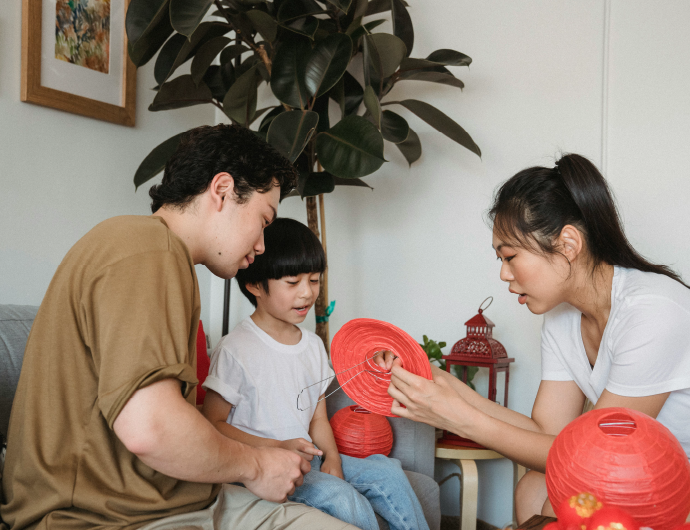
If your child enjoys crafting, they can showcase their artwork or a project they’ve made. They can explain the materials they used, what inspired them, and any challenges they faced.
If your child plays an instrument, they can bring it in and play a short tune. It’s a fun way to share their skills and maybe even inspire other kids to try music too!
Kids can bring an item that represents their heritage—like traditional clothing, a special ornament, or a unique tool—to help their classmates learn about different cultures.
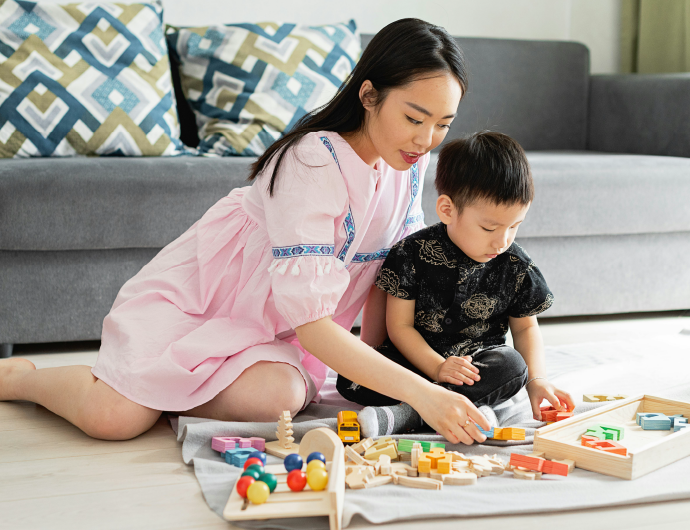
Bringing a beloved toy is always a hit! Kids love sharing their favourite stuffed animals, dolls, or action figures and explaining why they mean so much to them.
If your child loves exploring the outdoors, they can bring in a cool rock, shell, or leaf they found. It’s a fun way to spark curiosity about nature!
Since bringing real pets to school isn’t always an option, a photo works just as well! Kids can introduce their furry (or scaly!) friends and talk about what makes them special.
A small souvenir from a trip—like a postcard or keychain—lets kids share stories about places they’ve visited, giving their classmates a little glimpse into different parts of the world.

A simple experiment, like the classic baking soda and vinegar volcano, is always a crowd-pleaser! It’s a great way to make science fun and interactive.
If your child plays a sport, they can bring something related—like a soccer ball, ballet shoes, or swim goggles—and talk about why they love it.
Does your child have a favourite snack or dish? They can share a simple recipe (bonus points if they bring a sample to try!). It’s a great way to introduce classmates to different foods and cultures.
If your child collects something—stamps, coins, action figures, or even cool erasers—they can show it off and explain what makes their collection special.
A historical item (or a replica) can be a great way for kids to tell a story from the past, sparking interest in history in a fun and personal way.
Whether it’s a medal, a drawing, or a certificate, kids can share something they’re proud of! It’s a great confidence booster and can inspire others to pursue their passions.
Participating in Show and Tell can be both exciting and a bit daunting for children.
Here are some practical tips to help students make the most of their presentations:
By following these tips, your kids can enhance their Show and Tell experience, develop valuable communication skills and build confidence in public speaking.
At My First Skool, we recognise the immense value of Show and Tell in early childhood development, incorporating it within our preschool curriculum. This activity aligns with our commitment to fostering holistic growth by enhancing communication skills, cultural awareness, and self-confidence.
We encourage our educators to incorporate diverse and inclusive Show and Tell sessions, ensuring each child feels valued and heard. By doing so, we create a nurturing environment where children can share their unique stories and learn from one another, building a strong foundation for lifelong learning.
Every year, over 26,000 families all across Singapore see their children benefit from our relationship-based curriculum – one that emphasises forging strong bonds between children, teachers and parents.
Find a centre near you or take a virtual tour to explore our learning environments and learn how your child can thrive.
Preschool is also known as Pre-primary school and comprises multiple levels: Infant Care Playgroup Nursery 1 (N1), also referred to as Pre-Nursery Nursery 2 (N2), also referred to as Nursery Kindergarten 1 (K1) Kindergarten 2 (K2) What are the ages for each preschool level? According to guidelines set by ECDA, preschools in Singapore are divided…
Preschool is also known as Pre-primary school and comprises multiple levels:
According to guidelines set by ECDA, preschools in Singapore are divided into stages that correspond with the child’s age and developmental progress:
| Level | Preschool Age |
| Infant Care | From 2 months to 17 months old |
| Playgroup | From 18 months to 2 years old |
| Pre-Nursery (N1) | In the year they turn 3 years old |
| Nursery (N2) | In the year they turn 4 years old |
| Kindergarten 1 (K1) | In the year they turn 5 years old |
| Kindergarten 2 (K2) | In the year they turn 6 years old |
The official primary school age in Singapore is seven years old.
No, preschool attendance (whether nursery or kindergarten levels) before primary school is not compulsory. However, although it is not mandatory, preschool education is highly encouraged by the Singapore government for all children as it offers significant benefits and can help your child achieve important learning goals. We cover these in detail below.
Enrolling your child in preschool can be an incredibly enriching and positive experience, and allows your child to benefit from the resources and social interactions that may only be found in a preschool setting. Beyond the obvious academic benefits, preschool helps children:
Taking reference from the Nurturing Early Learners (NEL) Framework, which was introduced by the Ministry of Education (MOE) to guide preschool centres in designing and implementing a quality curriculum for children aged 4 to 6, the desired outcomes of preschool education include children being able to:
By the end of their preschool journey, children should possess a good sense of self-awareness, a sound moral compass, and the necessary skills and knowledge to take on future challenges. Each level of preschool is designed with age-appropriate activities to equip your child with the essential skills and mindset needed to thrive in primary school and beyond, and a well-structured preschool programme will lay the groundwork to achieve the above goals.
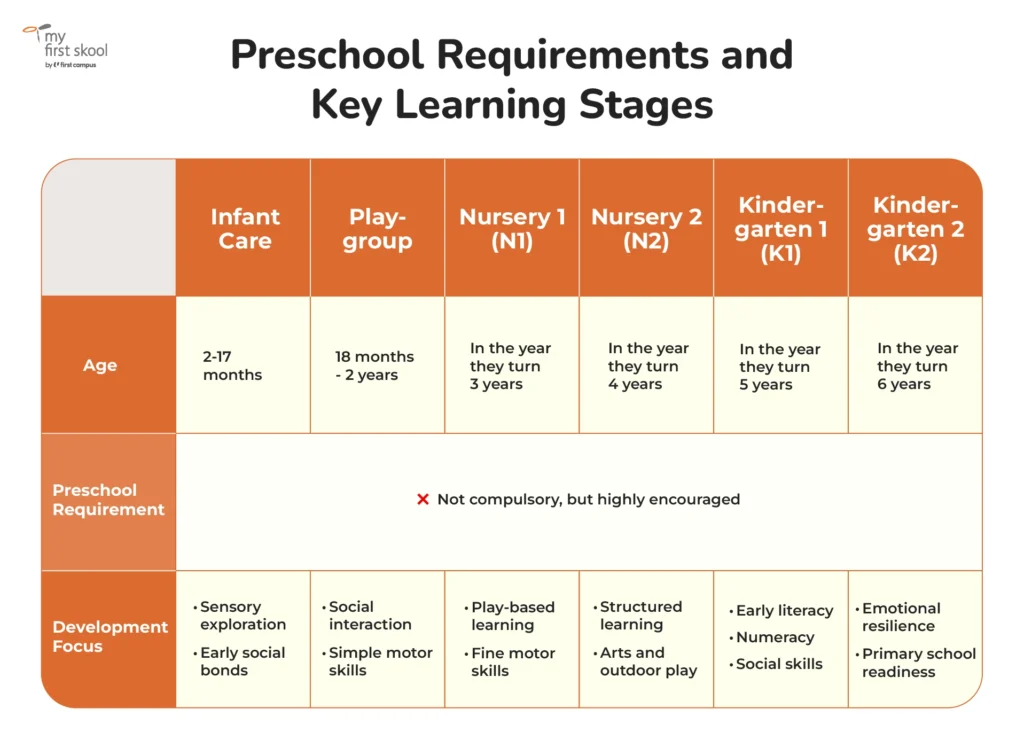
Infant care in Singapore caters to infants aged 2 to 17 months. At this stage, a child’s development is centred around sensory exploration, development of fine and gross motor skills, and early social connections. In these early years, infants learn primarily through interactions with caregivers and their environment, and through activities that are designed to stimulate their cognitive and physical development.
From 18 months old, children will join playgroup programmes. At this stage, learning takes place primarily through exploratory play, with activities designed to enhance social interaction, sensory skills, and simple motor coordination.
Nursery 1 (or pre-nursery) programmes cater to children aged 3 years old and provide a more structured environment compared to playgroups. At Nursery 1, children are introduced to basic educational concepts, but the focus is still largely on play-based learning. Tailored activities such as arts and crafts, sensory play, singing and storytelling help to develop children’s fine motor skills, language abilities, and even early problem-solving.
At 4 years old, children will enrol in Nursery 2 programmes. At this stage, children are introduced to more academic and structured learning activities, such as English and Chinese classes and learning about current affairs, alongside artistic activities and outdoor play.
Kindergarten 1 (K1) and Kindergarten 2 (K2) programmes are for children aged 5 to 6 years old respectively. In these two years, the curriculum becomes more structured and is designed to equip children with foundational academic skills (such as early numeracy and literary skills), social behaviours, and emotional resilience required for their impending transition to primary school.
Choosing the best preschool in Singapore for your child is highly subjective and will ultimately depend on your child’s and family’s unique needs. Parents should consider several key factors, such as:
At My First Skool, we are dedicated to ensuring a well-rounded educational journey for your child, through an enriching learning environment and a curriculum designed to support holistic development. We have 45+ years of experience in child care and preschool education, and 100% of our eligible centres are SPARK-certified, an assurance of quality by ECDA.
At My First Skool, we empower our children to learn through a pedagogical approach called PETAL© – Playing, Exploring, Thinking, and Applying Learning. This approach provides facilitated play experiences that encourage active exploration, critical thinking and making meaningful discoveries.
We recognise that children are unique individuals. They explore their environment, form opinions, and want to be heard. As such, we centre our curriculum around relationships, forging close bonds, and building genuine connections with the children and parents.
We take children on excursions designed to enhance their experiences and deepen their understanding of the world around them. We also offer a varied combination of mother tongue languages across our centres and train children in digital literacy to ensure they are equipped with the skills to navigate digital tools in today’s technological era. These diverse approaches ensure that children receive a comprehensive early education tailored to their unique learning styles.
My First Skool offers programmes for children across all early education levels, with full-day childcare services and preschool programmes for children aged 18 months to 6 years old, as well as infant care services for infants aged 2 to 17 months. This allows children to have a seamless transition as they progress through each preschool level. With over 160+ conveniently located centres across Singapore, My First Skool provides families with access to quality preschool services near work or home.
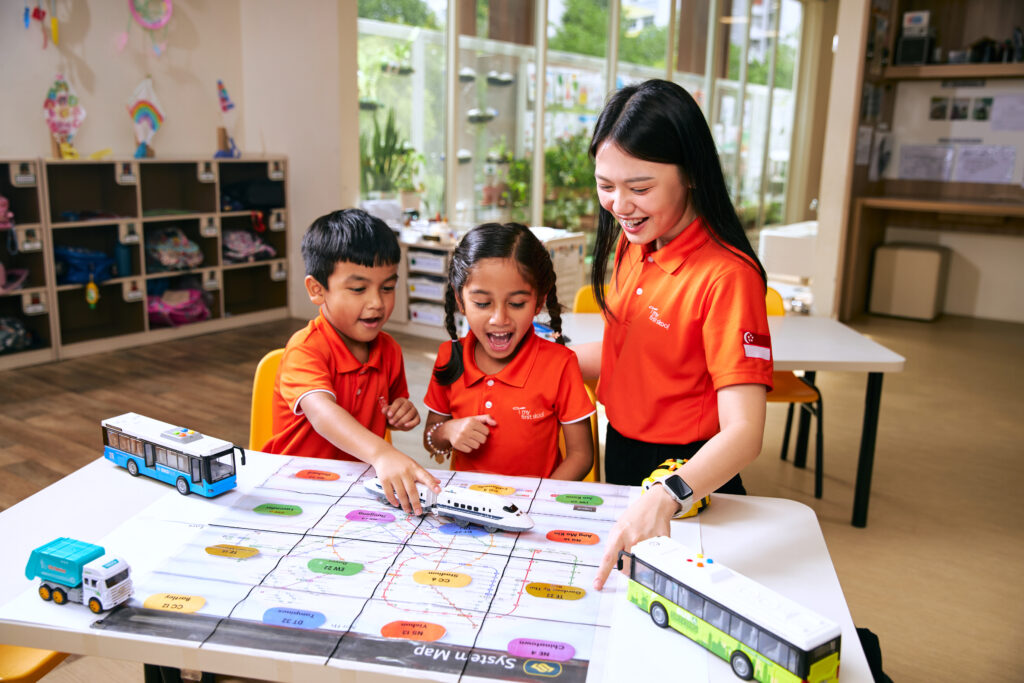
At My First Skool, we believe every child deserves a strong start. As one of Singapore’s most trusted providers of infant care, childcare, preschool, and kindergarten, we offer a nurturing environment where little ones can grow, learn, and thrive. With experienced educators and a proven curriculum, we’re here to support your child’s journey—every step of the way. Registration only takes 5 minutes.
Every year, over 26,000 families all across Singapore see their children benefit from our relationships-based curriculum – one that emphasises forging strong bonds between children, teachers and parents. Find a centre near you or take a virtual tour to explore our learning environments and learn how your child can thrive.
You can also quickly explore some of our locations:
A child can attend daycare or childcare centres in Singapore from as early as 18 months, with some centres also providing infant care for children aged 2 to 17 months. At My First Skool, we offer full-day childcare services and preschool programmes for children aged 18 months to 6 years old, as well as infant care services.
Enrolment for placements in My First Skool is open all year round, depending on the availability of vacancies. Registration may be submitted up to 12 months before your child’s preferred enrolment date. This is available for Singapore citizens, permanent residents and foreigners.
Go on a virtual centre tour of a preschool near you and explore our learning environments from the comfort of your own home.
Subsidies provided by the government can greatly alleviate the cost of preschool education for families. All Singapore Citizen children enrolled in ECDA-licensed infant or childcare centres and in kindergartens operated by Anchor Operator (AOP) or the Ministry of Education (MOE) are eligible for preschool subsidies, which comprise the basic subsidy and additional subsidy under the Infant and Childcare Subsidy Scheme, and subsidies under the Kindergarten Fee Assistance Scheme.
Note that you can only apply for a preschool subsidy after securing a place for your child with a preschool. On the first day of your child’s enrolment, parents should submit a Form 1 (Child Care Enrolment and Subsidy Application) or KF1 (Enrolment and Kindergarten Fee Assistance Scheme (KiFAS) application), acknowledgement letter, and relevant supporting documents to the preschool.
At My First Skool, we are dedicated to keeping our childcare fees affordable and accessible. Families with household income of $6,000 and below will enjoy priority for enrolment. Further, we also offer a number of financial support schemes to benefit families from lower-income backgrounds.
Singapore’s childcare leave policies support working parents in managing their work and family responsibilities. This article breaks down the different leave types, eligibility criteria, and application steps to help you navigate childcare leave in Singapore. Key Takeaways In Singapore, eligible working parents are entitled to various forms of childcare leave, including Government Paid Childcare Leave…
Singapore’s childcare leave policies support working parents in managing their work and family responsibilities. This article breaks down the different leave types, eligibility criteria, and application steps to help you navigate childcare leave in Singapore.
The provision of childcare leave in Singapore serves as a crucial aid for employed parents to balance their work and family duties effectively. In alignment with the Employment Act, eligible working parents can avail themselves of childcare leave or an extended childcare leave on an annual basis. The motive behind this is to enable parents to dedicate time off from their professional roles specifically for the well-being and growth of their children during key formative years.
Childcare leave aims to create a workplace atmosphere that is sympathetic to familial needs, allowing parents the opportunity to spend time with their children without having to make use of their annual leave entitlement. This support extends to both employed and self-employed parents, as well as adoptive parents, foster parents, step-parents and legal guardians, granting wide-ranging access to various working parent demographics.
Utilizing this allocated childcare time gives room for managing health-related activities such as doctor visits or vaccinations, attending to children promptly during childhood illnesses, or simply engaging in essential quality bonding experiences. This fosters harmony between personal responsibilities and professional commitments while reinforcing family connections.
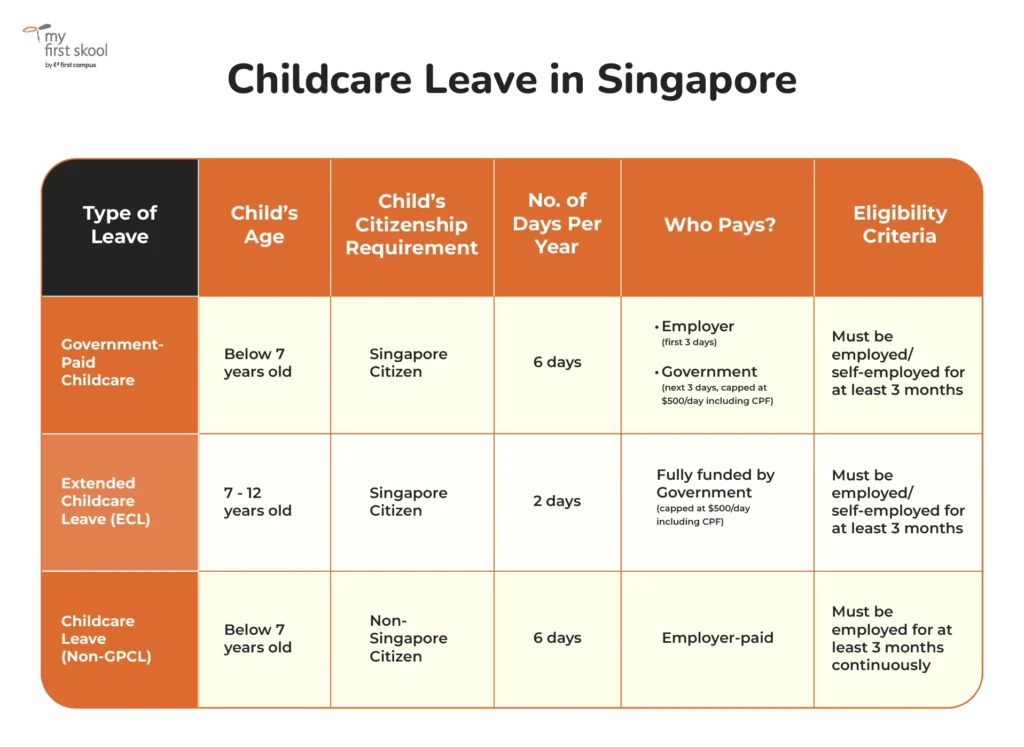
In Singapore, various childcare leave options are provided for working parents, each with specific qualifying conditions.
This is the most prevalent form of childcare leave for working parents. To be eligible for GPCL, the child must be a Singapore citizen and be younger than seven years old. The parent should have worked for their employer or have been self-employed for at least 3 consecutive months. Eligible parents can avail themselves of up to 6 days of GPCL within each calendar year.
ECL caters to parents whose children are Singapore citizens aged between seven and twelve years old. The requirements mirror those of GPCL: the parent needs to have completed at least 3 consecutive months of employment or self-employment before applying. Eligible working parents can enjoy 2 days of leave per year.
Where your child is below 7 years old but is not a Singapore Citizen, you may be entitled to 2 days of childcare leave under the Employment Act if you have worked for your employer for a continuous period of at least 3 months.
The Government-Paid Childcare Leave (GPCL) Scheme provides essential support to employees with young Singaporean children, helping working parents and their employers manage childcare responsibilities. Each parent of a Singapore citizen child below the age of 7 is eligible for 6 days of GPCL each year, provided they have been employed or self-employed continuously for at least 3 months prior to taking leave. Regardless of how many children they have, both parents can utilise 6 days annually.
Eligible part-time employees will also receive pro-rated GPCL benefits based on their work hours, subject to a guaranteed minimum entitlement of 2 days of leave each year.
It’s important for employees to remember that this paid childcare leave must be utilized within the same calendar year. It cannot roll over into subsequent years. Both parents together may claim up to 42 days throughout their child’s early years under this initiative – providing significant support as families balance parental care and employment commitments.
Eligible working parents with children aged 7 to 12 are entitled to 2 days of ECL per calendar year. To qualify, the child must be a Singapore citizen and the parent must have been employed continuously for at least 3 months by their employer.
For parents who have been self-employed continuously for at least 3 months and can show evidence of lost income from ceasing to be actively engaged during their ECL period, ECL is also available. This ensures that all eligible working parents have access to additional childcare support regardless of employment type.
Eligible part-time employees are also considered under this initiative. They too can claim 2 days of extended childcare leave adjusted in accordance with their respective work schedules. By doing so, it provides an opportunity for all qualifying working parents to utilise the benefits offered through ECL.
To apply for childcare leave, it is essential to communicate promptly and comply with the policies set forth by one’s employer. Employees are encouraged to notify their employers about their plans to take childcare leave as soon as possible in order to verify eligibility and make alternative workplace arrangements accordingly.
Employees should then apply for GPCL/ ECL according to their employers’ leave application procedures. This usually involves submitting the declaration form (GPCL1) with all necessary supporting documents, but employers may use their own declaration form or system.
Employers may request various documents including a child’s birth certificate or proof of citizenship for verification purposes. In cases where individuals are foster parents or legal guardians, they might be asked for additional documentation such as a Letter of Identity (to prove that a foster child has been placed under your care under the Children and Young Persons Act) or a Legal Guardianship document.
It is critical that employees follow the designated application procedure outlined by their company, which could entail utilizing an HR system or filling out paper forms, guaranteeing accurate recording of the leave period and timely submission of all necessary paperwork.
For those who are self-employed, keeping track of childcare leave dates is crucial. Claims should then be filed through the Government-Paid Leave Portal within 3 months following the end date of that calendar year. Self-employed persons can monitor their claim status via this portal and will receive a notification when processing is complete.
Taking advantage of childcare leave brings about several advantages that serve to improve work-life balance for working parents. The Singapore government has instituted schemes such as GPCL and ECL in an effort to foster a workplace culture supportive of families. These measures play a crucial role in preserving workforce stability by allowing for integration with familial obligations. Alongside these initiatives, parents can also rely on infant care in Singapore as a complementary support system, helping them manage caregiving responsibilities while maintaining their professional commitments.
As working parents often need to entrust their young children to caregivers when they are at work, it’s encouraged for them to make full use of their childcare leave entitlements to spend quality time with their children and be present with them. Childcare leave provides parents with vital opportunities to deepen the emotional connection with their offspring, participate actively in significant family occasions, and look after their kids during times of sickness or medical needs. Such practices contribute to nurturing an environment where employees can attend to their job duties alongside parenting roles. This leads to fortified bonds within the family unit and promotes healthier emotional growth among children.
Studies have demonstrated that having access to childcare leave alleviates parental stress, which increases productivity upon returning back to work. Ultimately, achieving work-life balance involves both making full use of available childcare leave entitlements and having proficient time management skills — this will ensure that parents can provide the necessary attention to their children while simultaneously upholding career commitments.
We know how important it is for working parents to be able to have a trusted support system for their preschooler’s care. At My First Skool, all our centres are staffed with trusted, passionate teachers who are professionally trained in early childhood education and are driven by a single passion – to help your child be the best that they can be.
With over 40 years of expertise in child development, My First Skool ensures that our curriculum stays current with the latest developments in early childhood to equip children at that stage in their development with the right skills and mindset to thrive in this ever-changing world. We recognise that children are unique individuals. They explore their environment, form opinions, and want to be heard. As such, we centre our curriculum around relationships, forging close bonds, and building genuine connections with the children and parents. Learn how our relationships-based approach can support your child’s holistic development while you manage work-life balance.
Every year, over 26,000 families all across Singapore see their children benefit from our relationships-based curriculum – one that emphasises forging strong bonds between children, teachers and parents.
Find a centre near you or take a virtual tour to explore our learning environments and discover how your child can thrive.
You can also quickly explore some of our locations:
Grasping the significance of childcare leave benefits in Singapore is essential for working parents who aim to achieve a good balance between their professional and personal lives. These childcare leave benefits, which include Government-Paid Childcare Leave (GPCL) and Extended Childcare Leave (ECL), offer indispensable aid that empowers parents to devote time to nurturing and developing a strong connection with their children during their pivotal early years.
Taking full advantage of these childcare leave entitlements enables parents to deliver optimal care and support for their children while efficiently balancing work commitments. Seize these opportunities to foster a conducive environment where your family can flourish.
At My First Skool, we believe every child deserves a strong start. As one of Singapore’s most trusted providers of infant care, childcare, preschool, and kindergarten, we offer a nurturing environment where little ones can grow, learn, and thrive. With experienced educators and a proven curriculum, we’re here to support your child’s journey—every step of the way. Registration only takes 5 minutes.
To qualify for Government-Paid Childcare Leave (GPCL), your child must be a Singapore citizen under 7 years old, and you must have been employed or self-employed for at least 3 continuous months.
Under the GPCL scheme, parents can take six days of childcare leave per calendar year until their child turns seven years old.
Extended Childcare Leave (ECL) differs from Government-Paid Childcare Leave (GPCL) in that ECL offers two days of leave per calendar year for parents of children aged 7 to 12 years, while GPCL provides six days of leave for parents of children under seven years old.
When applying for childcare leave, you typically need to submit a declaration form (GPCL1) with all necessary supporting documents. You usually will need to provide your child’s birth certificate or proof of citizenship. Additional documents may be required for foster parents or legal guardians, such as a Letter of Identity or Legal Guardianship document.
Self-employed individuals can apply for childcare leave by recording their leave dates and submitting claims through the Government-Paid Leave Portal within three months after the last day of the calendar year. This ensures they receive the appropriate benefits for their childcare responsibilities.
Is preschool kindergarten? Not exactly. “Preschool” is an umbrella term for any institution that provides both childcare services and educational programmes to children between 18 months and 6 years of age. Preschools may operate as childcare centres or kindergartens. On the other hand, the term “kindergarten” can either refer to an institution that enrols children…
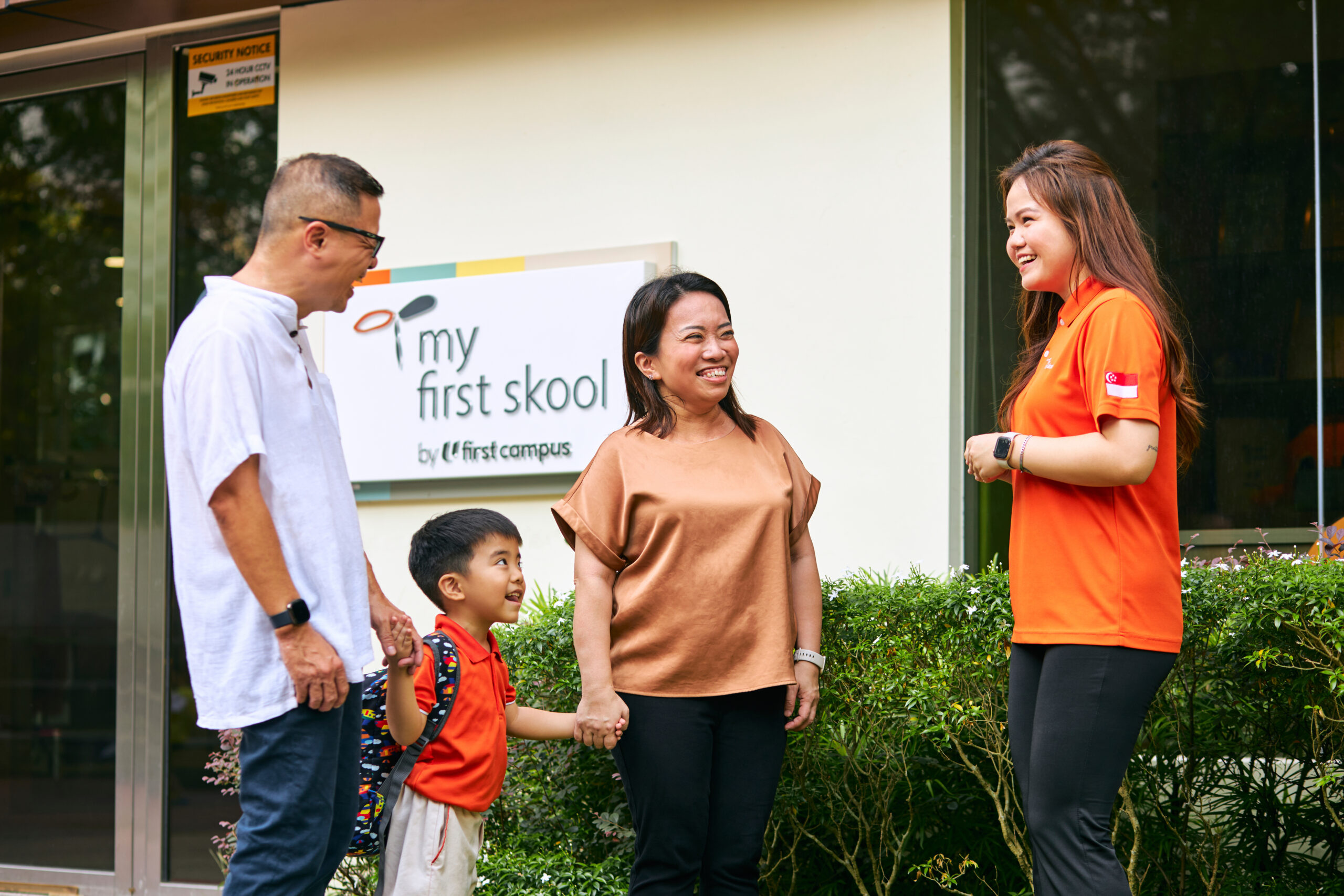
Is preschool kindergarten? Not exactly. “Preschool” is an umbrella term for any institution that provides both childcare services and educational programmes to children between 18 months and 6 years of age. Preschools may operate as childcare centres or kindergartens.
On the other hand, the term “kindergarten” can either refer to an institution that enrols children between the ages of 3 and 6 years old, or a preschool level (Kindergarten 1 and Kindergarten 2) that is available for children aged 5 to 6 years respectively. Both childcare centres and kindergartens offer programmes at the kindergarten level (i.e. K1 and K2).
This article will explain the key differences between preschool, childcare and kindergarten, and the different learning experiences they offer.
The terms childcare, preschool, and kindergarten are frequently confused, though they serve different purposes in a child’s educational journey. In Singapore, preschools refer to any institutions that provide early childhood education and childcare services to children aged 18 months to 6 years, before they start primary school. Preschools may operate as childcare centres or kindergartens.
Childcare centres in Singapore offer services to children from 18 months to 6 years, at the playgroup, nursery and kindergarten levels. Some childcare centres may also offer infant care programmes for babies aged 2 to 17 months. In comparison, kindergartens in Singapore are catered to children between the ages of 3 to 6 years old, and offer programs for nursery and kindergarten levels.
Programmes catered to the playgroup and nursery levels focus on developing social, emotional, cognitive, and motor skills through play-based learning. On the other hand, kindergarten-level programmes, which are designed for children aged 5 to 6 years, are intended to bridge the transition from early childhood education to formal schooling by introducing more structured learning activities.
In Singapore, the Early Childhood Development Agency (ECDA) is the regulatory and developmental agency for the early childhood sector and sets preschool standards, ensuring a high-quality educational foundation in the early childhood sector. With 1,607 childcare centres and 373 kindergartens nationwide as of 2022, parents have a variety of options to suit their needs.
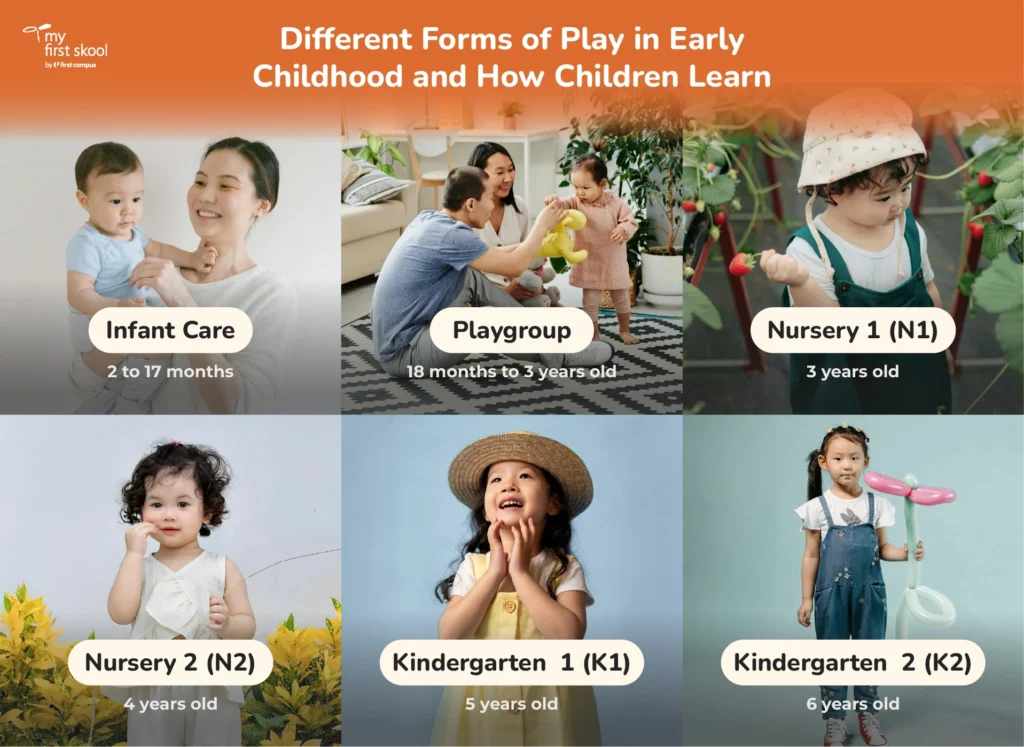
Generally, preschool programmes in Singapore cater to children aged 18 months to 6 years, focusing on developing social, emotional, cognitive, and motor skills through structured play. Understanding the age groups for the different preschool programmes helps in selecting the right programme for your child.
After transitioning from infant care, playgroup programmes are available for children aged 18 months to 2 years old, involving activities like art and craft, outdoor play, puppetry, and storytelling.
For children turning 3 and 4 years old, we have programmes at the nursery level (Nursery 1 and Nursery 2) that involve sensory play, creative expressions, singing and dancing, independent play, reading as well as academic learning activities.
Meanwhile, kindergarten levels (Kindergarten 1 and Kindergarten 2) target children aged 5 to 6 years respectively, preparing them for primary school with a curriculum that balances structured learning with play. Programmes at the kindergarten level tend to involve more academically-driven activities, such as English and Chinese classes and learning about current affairs, to ensure that children are ready for the next stage of their education.
The programs available at the playgroup, nursery and kindergarten levels highlight the importance of age-appropriate learning, with each stage tailored to the specific developmental needs of the respective age group.
It should be noted that childcare centres and kindergartens both offer programmes at the nursery and kindergarten level. To understand which option is best for your child, it is important to consider your family’s needs and evaluate these factors.
The structure of preschool programmes varies significantly to reflect the different educational objectives for each preschool level. Prior to the kindergarten level, preschool programmes typically employ a play-based learning approach, encouraging exploration and learning through hands-on activities and social interactions. Playtime is blended with structured learning activities throughout the day. The focus is on fostering social skills and creativity, and also helping children develop language skills and other foundational abilities, in a fun and engaging environment.
At the kindergarten level, the focus shifts to a more structured learning environment, with more structured learning activities incorporated alongside play. Kindergarten programmes are more academically-oriented, focusing on building literacy, numeracy, and other foundational academic skills. Children engage in organised group activities and individual tasks that will enhance cognitive skills, such as reading, writing, basic mathematics and critical thinking. This structured curriculum prepares them for the more formal education they will encounter in primary school.
Different educational philosophies and pedagogies offer varied approaches in preschool. For example, at My First Skool, our curriculum employs a pedagogical approach called PETAL© – Playing, Exploring, Thinking, and Applying Learning, which provides facilitated play experiences that encourage active exploration, critical thinking and making meaningful discoveries. These diverse approaches ensure that children receive a comprehensive early education tailored to their unique learning styles.
Generally, parents in Singapore can choose between half-day and full-day preschool programmes, depending on their family’s needs and preferences. Whether full-day care is available at a preschool depends on whether they operate as a childcare centre (which not only provides early education but also offers essential care services), or as a kindergarten (which typically operates for a few hours daily and focuses on academic preparation).
Childcare centres offer half-day or full-day programmes and usually have operational hours extending from 7 AM to 7 PM, on weekdays and for half a day on Saturday. This flexibility accommodates working parents who require longer care hours for their children and ensures that children have a consistent routine. However, the availability and structure of after-school care services may vary depending on the institution, so parents should consider these factors when choosing an early childhood education programme.
Kindergartens typically operate for 3 to 4 hours each day, either in the morning or the afternoon, and are closed on weekends.
Childcare centres are closed on Sundays, gazetted public holidays and annual closure days. Meanwhile, kindergartens are closed on weekends and school holidays, resulting in longer holiday breaks compared to childcare centres.
Deciding between a childcare centre and kindergarten requires careful consideration of your family’s needs and preferences. If your children require extended, full-day care, childcare centres may be a better option for you as they ensure that your children receive essential care services and stick to a consistent routine throughout the day.
Apart from whether they operate as a childcare or kindergarten, choosing between preschools requires careful consideration of the specific curriculum and structure of the programmes offered, their educational philosophies as well as your child’s learning preferences. Other factors to consider when selecting a preschool operator include location, learning environment, school culture, teachers, student-teacher ratio, awards and reviews. These elements contribute to the overall experience and significantly impact your child’s development.
Making informed decisions about early childhood education ensures your child receives the best possible start in life. By considering all relevant factors and understanding the unique benefits of childcare centres and kindergarten, you can choose a preschool operator that aligns with your child’s needs and prepare children for a seamless transition to primary school.
At My First Skool, we offer full-day childcare services and preschool programmes for children aged 18 months to 6 years old, as well as infant care services for infants aged 2 to 17 months. We have 45+ years of experience in child care and preschool education, and operate 160+ centres islandwide, all dedicated to ensuring a well-rounded educational journey for your child.
Every year, over 26,000 families all across Singapore see their children benefit from our relationships-based curriculum – one that emphasises forging strong bonds between children, teachers and parents. Find a centre near you or take a virtual tour to explore our learning environments and learn how your child can thrive.
You can also quickly explore some of our locations:
Different preschool programs offer unique benefits tailored to different developmental stages. Playgroup and nursery-level programmes provide a nurturing environment for very young children to develop social, emotional and cognitive skills through play-based learning. In contrast, programmes at the kindergarten level prepare children for primary school with a more structured curriculum focusing on academic skills.
Understanding the differences in programme structures, educational approaches, teacher-student ratios, available services and school hours helps parents make informed decisions about their child’s early education and select a suitable preschool operator for their children. Additionally, government support and subsidies make early childhood education more accessible, further supporting parents in providing a good foundation for their children.
Ultimately, the choice of preschool depends on your family’s and your child’s specific needs. By considering all factors and understanding the unique offerings of each preschool provider, parents can ensure their children are well-prepared for the future.
At My First Skool, we believe every child deserves a strong start. As one of Singapore’s most trusted providers of infant care, childcare, preschool, and kindergarten, we offer a nurturing environment where little ones can grow, learn, and thrive. With experienced educators and a proven curriculum, we’re here to support your child’s journey—every step of the way. Registration only takes 5 minutes.
In Singapore, kindergarten is divided into two levels: Kindergarten 1 (K1) for children aged 5 years and Kindergarten 2 (K2) for those aged 6 years. This structure supports the developmental needs of children as they prepare for primary education.
Preschool in Singapore caters to children aged 18 months to 6 years, emphasising developmental skills through play-based learning. Preschools offer programmes at the nursery and kindergarten level, and sometimes the playgroup level.
Before the kindergarten level, the curriculum in preschool centers around play-based, theme-driven learning that introduces foundational literacy and numeracy. However, the curriculum at the kindergarten level adopts a more structured approach that emphasises formal instruction in reading, writing, and basic mathematics.
In Singapore, childcare centres operate from 7 AM to 7 PM, offering full-day programmes on weekdays and for half a day on Saturday. Meanwhile, kindergarten operators typically operate for 3 to 4 hours each day, and are closed on weekends and school holidays.
In Singapore, parents of Singapore Citizen children may be eligible for Basic and Additional Subsidies under the Infant and Childcare Subsidy scheme, or subsidies through the Kindergarten Fee Assistance Scheme (KiFAS). These subsidies significantly alleviate the financial burden of early childhood education.
Transitioning your child to primary school marks a significant milestone in their educational path. As parents, you devote substantial time and effort to equip them for this formal learning environment adequately. But why is it crucial for your child to be ready for primary school? In this article, we discuss the importance of being ready…
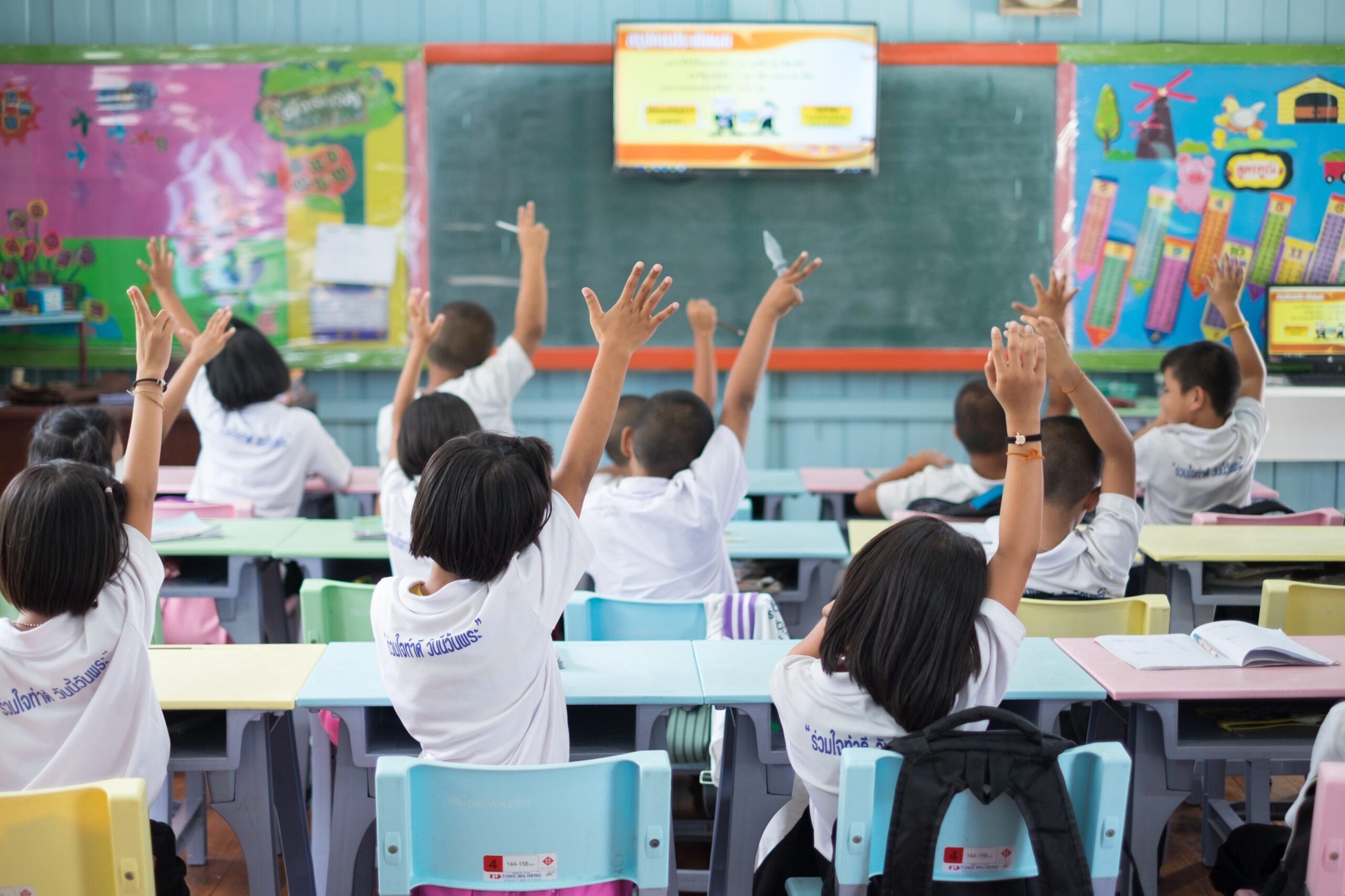
Transitioning your child to primary school marks a significant milestone in their educational path. As parents, you devote substantial time and effort to equip them for this formal learning environment adequately.
But why is it crucial for your child to be ready for primary school? In this article, we discuss the importance of being ready for primary school and how this lays the foundation for a successful academic and personal journey.
Being primary school-ready offers substantial advantages by establishing a foundation for academic excellence. Children with fundamental skills like literacy, numeracy, and problem-solving enter primary school confidently, ready to tackle educational hurdles.
By ensuring your child is prepared academically, you give them a head start in grasping new concepts and learning at a faster pace.
Preparation for primary school cultivates confidence and self-esteem in children. Armed with a sense of competence, they enter the classroom ready to engage actively, ask questions, and interact with peers and teachers.
This self-assurance plays a pivotal role in their academic achievements and fosters a positive attitude toward learning, which becomes a valuable asset throughout their lives.
Primary school readiness goes beyond academic skills and encompasses social skills development. Well-prepared children have honed abilities to interact with peers, share, take turns, and adeptly resolve conflicts.
Moreover, they exhibit confidence and ease in engaging with teachers, school staff, and other adults. They grasp the significance of adhering to school rules, demonstrating respect toward authority figures, and fostering a positive school atmosphere.
These social competencies are essential for fostering collaboration, forging friendships, and navigating diverse social scenarios within and beyond the classroom.
Behavioural adjustment is a part of primary school readiness. It involves the development of skills and attitudes necessary for navigating the social and academic challenges of the classroom.
It entails understanding and internalising the behavioural expectations within the classroom and school environment. Children prepared for primary school are familiar with these expectations and understand the significance of respecting authority, adhering to rules, and actively contributing to the classroom community.
Primary school readiness encompasses cultivating emotional resilience—the capacity to effectively cope with challenges, setbacks, and emotions. Children who have experienced diverse social environments possess enhanced emotional regulation and problem-solving skills, rendering them more resilient in adversity.
Emotional resilience helps them navigate the ups and downs of primary school life with confidence and maturity, fostering their overall well-being and readiness for academic and social success.
The advantages of being primary school-ready extend far beyond the early years of education; they build the foundation for long-term academic success. Children equipped with strong foundational skills before starting primary school are more likely to thrive academically, progress through high school graduation and pursue higher education or vocational training.
Investing in your child’s readiness for primary school sets them on a promising path towards a bright future.
Parents have a significant influence on preparing their children for primary school. By actively involved in their child’s learning and development, parents reinforce skills and knowledge acquired at home, facilitating a smooth transition to formal schooling. By actively engaging in their child’s learning and development, parents can reinforce skills and knowledge acquired at home and support their child’s transition to formal schooling.
Positive parental engagement strengthens the parent-child bond and cultivates a supportive environment conducive to academic and personal growth. This collaborative effort sets the stage for success in primary school and beyond.
The benefits of being primary school-ready are vast and impactful. By investing in your child’s readiness for primary school, you provide them with an optimal start to their educational journey, setting them up for success in the years ahead.
At My First Skool, we recognise the importance of preparing children for primary school. Our curriculum is designed to empower children with the essential skills, knowledge, and confidence needed to thrive academically and socially. With our team of experienced educators, we are committed to nurturing each child’s individual needs and interests, fostering a solid foundation for lifelong achievement.
Dr Janil Puthucheary, Senior Minister of State, Ministry of Digital Development and Information & Ministry of Health and Member of Parliament at Pasir-Ris Punggol GRC, (bottom right) was the Guest of Honour at the showcase opening of My First Skool at 6 New Punggol Road. A landmark study by preschool operator NTUC First Campus (NFC)…
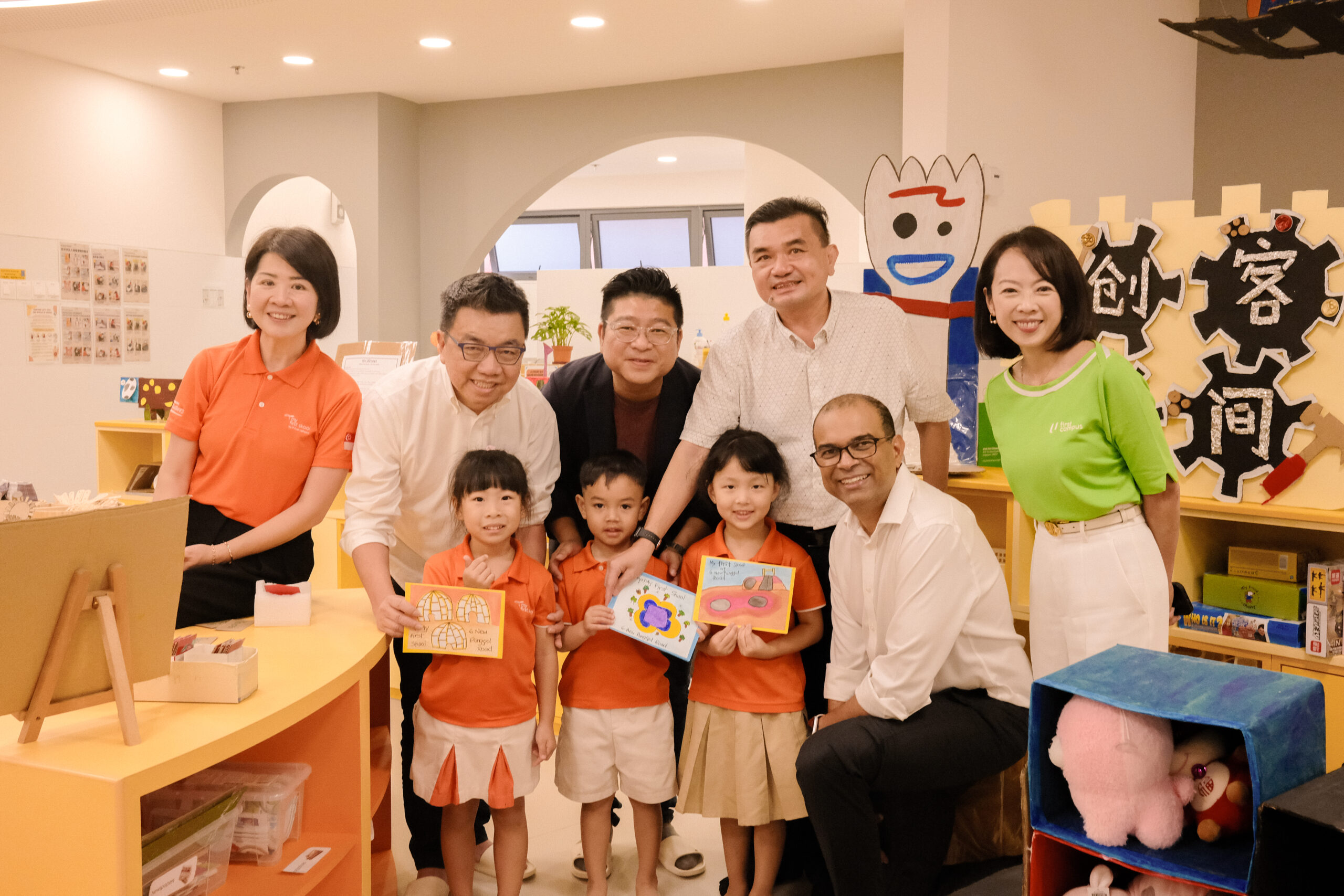
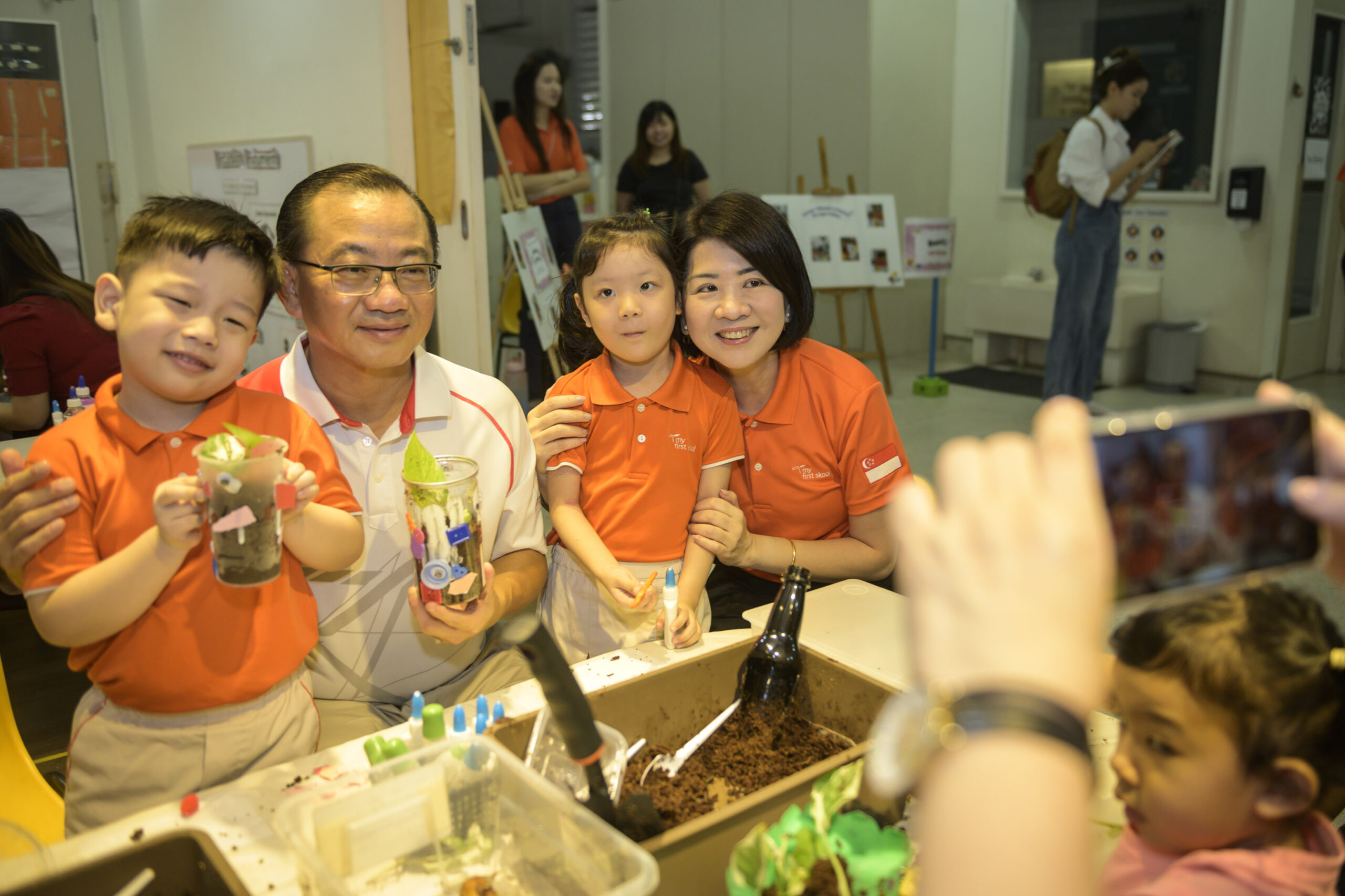
Dr Janil Puthucheary, Senior Minister of State, Ministry of Digital Development and Information & Ministry of Health and Member of Parliament at Pasir-Ris Punggol GRC, (bottom right) was the Guest of Honour at the showcase opening of My First Skool at 6 New Punggol Road.
A landmark study by preschool operator NTUC First Campus (NFC) and National Institute of Education (NIE) shows that a quality learning environment and regular attendance are crucial for preschoolers’ success in terms of their active involvement in learning, academic performance and well-being.
The study, conducted between February and November 2023, measured development outcomes of 764 My First Skool (MFS) preschoolers across 17 centres at Playgroup, Nursery 2 and Kindergarten 2 levels in both academic and non-academic areas, as well as the quality of teacher-child interactions.
The study found that most My First Skool children at Playgroup, Nursery 2 and Kindergarten 2 performed at or above average in overall academic performance in three main areas – oral language, literacy and numeracy.
Furthermore, regular attendance at preschool (61% or more) was linked to improved overall academic performance. A higher proportion of children (38%) was classified as “above average” in language, literacy and numeracy if they regularly attended preschool, compared with a lower proportion of children (20%) if they attended preschool less regularly.
Attending preschool regularly as young as 18 months is positively associated with academic performance, and may improve children’s learning outcomes by the time they reach Kindergarten 2.
Additionally, the study revealed that a well-designed learning environment is associated with both a child’s learning experience and teacher-child interactions. Children exhibited the greatest involvement and well-being in learning corners through activities that encouraged self-exploration or interactions with peers. During learning corners, teachers also provided high levels of regard for children’s perspectives through activity design and facilitation.
These findings will further enhance the curriculum design and pedagogy of MFS preschools and the quality of teacher-child interactions, to achieve the best results for children’s learning and development.
At NTUC First Campus, creating a meaningful and engaging learning experience for every child is at the core of our mission. We achieve this through research and programme evaluation conducted by our in-house team and collaborations with esteemed institutions like the National Institute of Education. As one of the largest preschool operators, our established research and programme evaluation capabilities enable us to continually refine our curriculum and teaching methods, ensuring our pedagogy not only supports children’s learning but also prepares them for success in primary school and beyond
– Ms Coreen Soh, NTUC First Campus’s Chief Child Development Officer.
NFC will also be sharing these findings at early childhood education conferences to help more educators improve children’s learning and development at other preschools.
“We are happy to partner with NTUC First Campus on this purposeful and large-scale research project involving preschoolers of diverse ages and levels. The insights we have gained have the potential to significantly improve children’s learning outcomes both nationally and internationally,” said Professor Kenneth Poon, NIE’s Dean, Education Research and Centre Director, Centre for Research in Child Development.
NFC shared these research findings at the showcase opening of its MFS preschool centre at 6 New Punggol Road, with Dr Janil Puthucheary, Senior Minister of State, Ministry of Digital Development and Information & Ministry of Health and Member of Parliament at Pasir-Ris Punggol GRC, as the Guest of Honour.
Lianhe Zaobao Online (30 July 2024)
Lianhe Zaobao Print (31 July 2024)
CNA (30 July 2024) (Time code: 9:25 to 11:18)
Channel 5 (30 July 2024)
Channel 8 (30 July 2024) (Time code: 12:50-14:20)
Channel U (30 July 2024)
CNA 938 (30 July 2024)
Capital 958FM (30 July 2024)
Warna 94.2FM (30 July 2024)
The Singapore Preschool Accreditation Framework, more commonly known as SPARK, is an initiative to enhance the quality of early childhood education in Singapore. It involves a set of guidelines, standards and resources for educators to provide high-quality learning and holistic care for their students. It is also one of the factors that set a top…
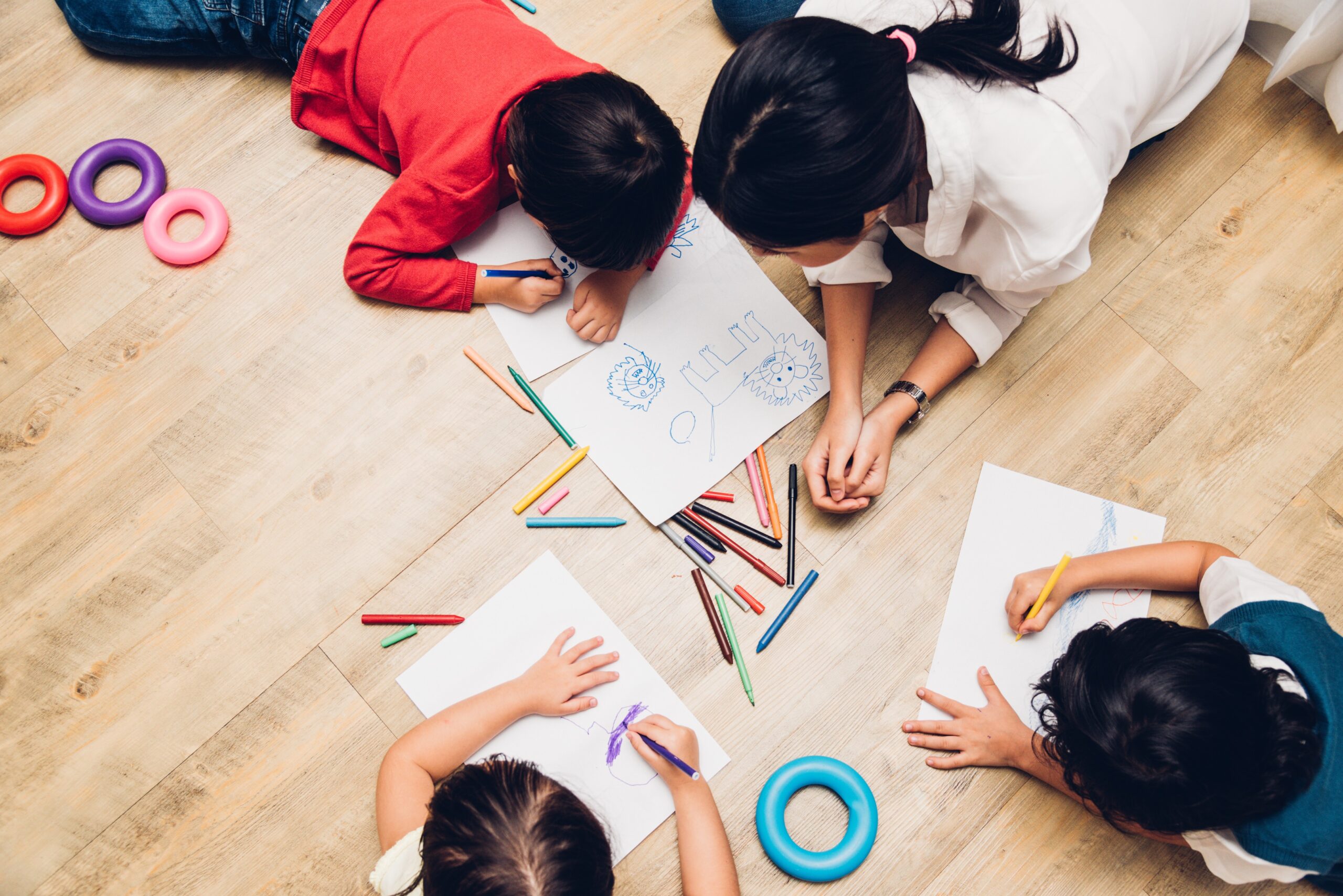
The Singapore Preschool Accreditation Framework, more commonly known as SPARK, is an initiative to enhance the quality of early childhood education in Singapore. It involves a set of guidelines, standards and resources for educators to provide high-quality learning and holistic care for their students. It is also one of the factors that set a top kindergarten apart from others here in Singapore.
Read on to find out what sets a SPARK-accredited kindergarten apart from the rest.
A proper education should no longer be limited to cognitive growth. A holistic approach is crucial in helping children develop socially, emotionally, physically, and cognitively.
To ensure quality education, SPARK-accredited kindergartens undergo stringent tests by external assessors that determine the quality of their curriculum, pedagogy, child development, and staff qualifications. Additionally, a SPARK certification is valid for 6 years, encouraging SPARK-certified centres to continually improve their systems and curriculum to maintain their accreditation.
Each child’s growth is closely monitored through assessment tools and strategies to follow their children’s progress and development through kindergarten. SPARK-accredited kindergartens also provide a strong foundation in STEM, supporting children with a foothold in science, technology, engineering and maths for future academic success.
One of SPARK’s five core values is “professionalism with impact.” This means that teachers play an integral role in shaping the children’s characters and minds.
SPARK-accredited kindergartens enlist teachers with a strong background in early childhood education who are well-equipped to deliver comprehensive curriculums effectively. These teachers are not only well-qualified but also have a nurturing mindset and genuine dedication to the children’s growth. Staff must undergo ongoing professional development to ensure competency and relevancy with the latest childhood education practices.
A comprehensive SPARK-accredited preschool curriculum includes topics that encourage holistic development like:
A SPARK-accredited preschool in Singapore has met high standards of providing a healthy, hygienic and safe environment. Some examples are:
SPARK-accredited kindergartens go the extra mile to enhance their learning resources and facilities for a more supportive learning environment. This includes:
Another framework of evaluation for SPARK accreditation is a preschool’s engagement with families and the community.
SPARK-accredited preschools implement effective feedback systems for parents and teachers to ensure transparency and consistent communication. This encourages parental involvement and allows parents to better understand their child’s learning journey and provide necessary support at home.
A good kindergarten is essential for establishing a strong foundation for your child. My First Skool is a SPARK-accredited kindergarten, dedicated to fostering holistic development and providing an environment and experiences that help your child grow to be their best self.
In a heartfelt tribute to the nation’s workforce, the children of My First Skool engaged in a series of meaningful activities to celebrate Labour Day, learning valuable lessons about the importance of work, community, and appreciation. Celebrating Work and Community Across all 159 My First Skool centres, around 15,000 children from Nursery 2, Kindergarten 1,…
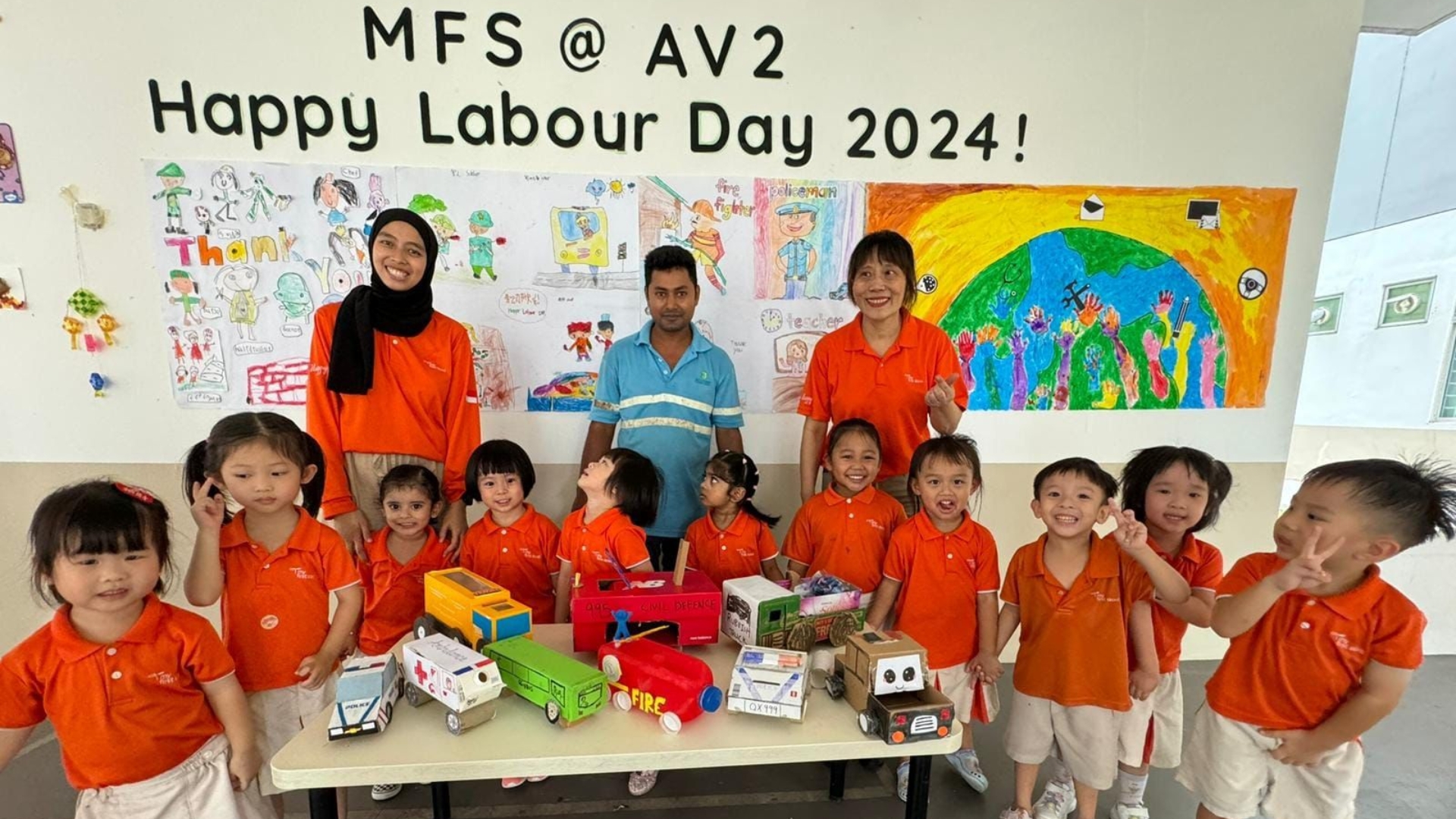
In a heartfelt tribute to the nation’s workforce, the children of My First Skool engaged in a series of meaningful activities to celebrate Labour Day, learning valuable lessons about the importance of work, community, and appreciation.
Across all 159 My First Skool centres, around 15,000 children from Nursery 2, Kindergarten 1, and Kindergarten 2 took part in a special May Day appreciation activity. With guidance from their teachers, these young learners delved into the roles of various professions, gaining insights into the daily contributions of different workers and developing a deep appreciation for the diverse roles within our society. The children were encouraged to ask questions and think critically about the people who assist them in their daily lives.
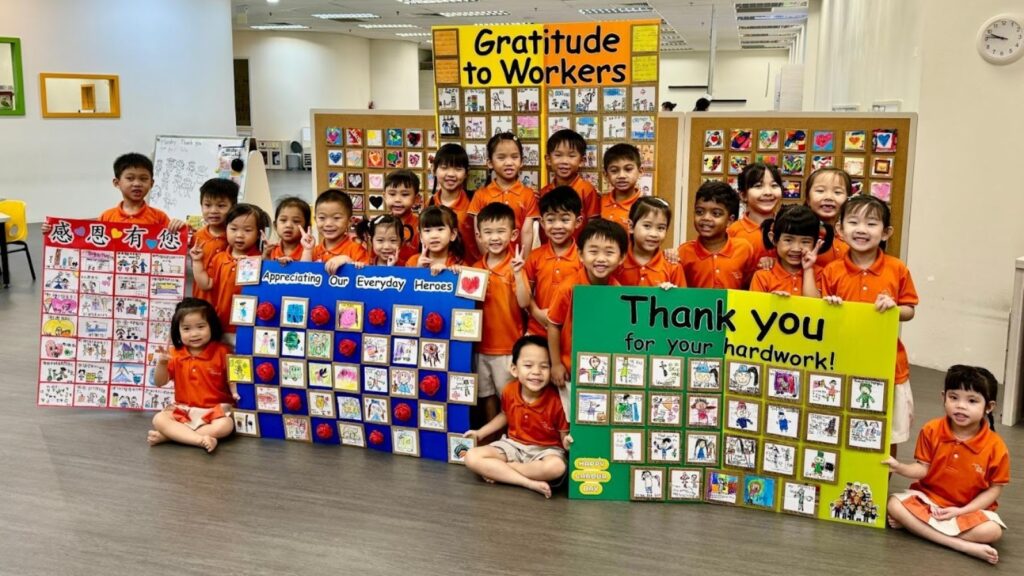
My First Skool children posing with their appreciation posters for Labour Day
As a part of their celebration, the children created Labour Day appreciation posters, both individually and in groups. These posters, which express gratitude towards the community’s workers, are displayed prominently across all My First Skool centres. Positioned along entrances, walkways, windows, and other areas, they allow parents and the broader community to read these messages of thanks penned by the children.
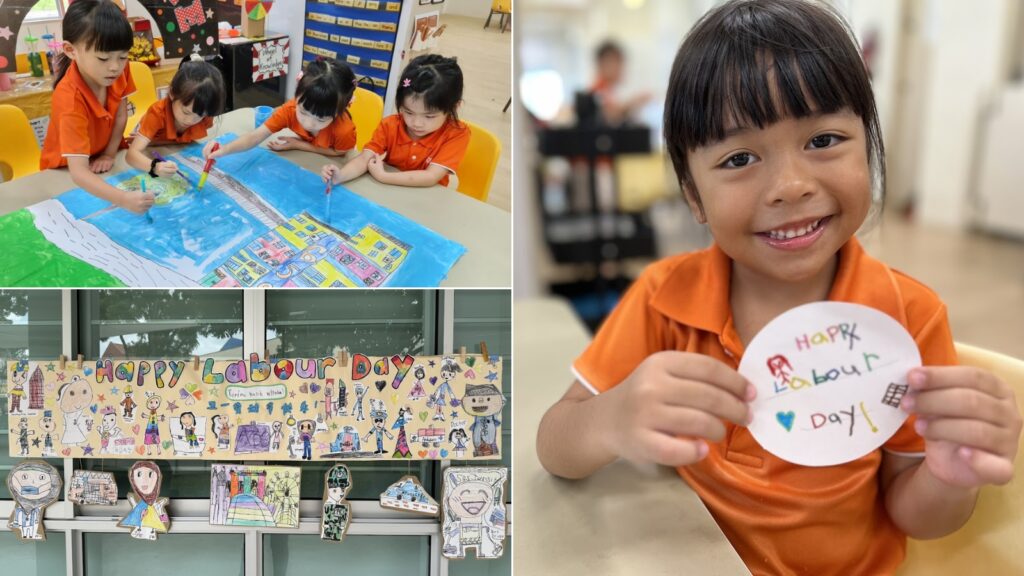
My First Skool children creating their Labour Day appreciation posters to show gratitude to workers
Several centres took the initiative to involve parents more directly by inviting them to share their gratitude for workers or by thanking the workers in the community in person. This inclusive approach not only strengthens community bonds but also models positive social behaviours for our children.
My First Skool’s commitment to community engagement extends beyond Labour Day. Throughout the year, our children participate in various activities, such as cleaning parks and beaches or interacting with seniors through My First Skool’s Intergenerational Programming. These activities teach them the importance of giving back, fostering a sense of empathy and responsibility.
As we celebrate Labour Day 2024, it’s important to acknowledge and appreciate the critical roles that both workers and children play in shaping the future of labour and our society. At My First Skool, we believe in nurturing young minds to understand and value the contributions of every individual.
My First Skool extends warm Labour Day wishes to all workers across every field this 2024. Here’s to those who build, serve, and teach – we thank you for your dedication and commitment.
Join us in celebrating this special day, reflecting on our shared responsibilities, and fostering bright futures for all.
As parents, the anticipation and excitement surrounding your preschooler’s journey into primary school are palpable. The early years of a child’s life lay the groundwork for their future academic success, making it crucial to provide them with a solid foundation. In this article, we explore eight engaging activities that you can do with your child…

As parents, the anticipation and excitement surrounding your preschooler’s journey into primary school are palpable. The early years of a child’s life lay the groundwork for their future academic success, making it crucial to provide them with a solid foundation.
In this article, we explore eight engaging activities that you can do with your child to enhance their readiness for the challenges and joys of primary school education.
One of the most effective ways to prepare your preschooler for primary school is to foster a love for reading. Reading aloud enhances language skills and introduces children to the world of imagination and knowledge.
Choose age-appropriate books with colourful illustrations to capture their attention. Make reading a daily ritual, allowing your child to associate it with comfort and joy.
Asking questions about the story would also encourage comprehension and critical thinking. This activity lays a strong foundation for language development, a key component in primary school education.
Mathematics is a fundamental skill in primary school, and introducing your child to counting and number recognition early on can significantly boost their confidence. Use everyday situations to make learning fun – count toys, fruits, or steps while walking.
Utilise visual aids such as number charts and educational toys to reinforce numerical concepts. Interactive counting games help develop basic maths skills while making the learning process enjoyable. When your child enters primary school, they will have a solid grasp of foundational maths concepts.
Preparing your child for primary school involves honing their literacy skills, including letter recognition and writing. Start with the alphabet – sing the ABC song, use alphabet blocks, and create letter-themed activities.
Encourage your child to trace and eventually write letters using age-appropriate writing tools. This enhances fine motor skills and sets the stage for successful reading and writing in primary school. Make the learning process engaging with letter-themed games and activities.
Fine motor skills signal primary school readiness, and activities like colouring, cutting, and drawing play a significant role in their development. Provide your child with various art supplies and let their creativity flow. Engage in simple crafts that involve cutting along lines or colouring within boundaries to refine their hand-eye coordination.
Drawing allows them to express themselves visually, fostering creativity and imagination. These skills are invaluable in the primary school setting, where tasks like writing and using scissors become part of the daily routine.
Beyond counting, expose your child to basic maths concepts such as shapes, patterns, and measurements. Use hands-on activities like building blocks to teach geometric shapes or create simple patterns with everyday objects.
Incorporate measurement concepts during daily activities, such as comparing sizes of objects or discussing the passing of time during routines. These experiences build a strong foundation for mathematical understanding, making primary school maths lessons more accessible.
Effective communication is key in primary school, and fostering conversation and storytelling skills early on is essential. Engage your child in discussions about their day, encouraging them to express thoughts and feelings. Storytelling can be a joint activity – take turns creating imaginative stories or ask your child to narrate their tales.
Telling stories enhances language skills and boosts confidence in expressing ideas and opinions, setting the stage for successful communication in the primary school environment.
Adhering to a structured routine is part of primary school, and instilling this habit in the early years can ease the transition. Create a daily timetable with designated times for learning, play, meals, and rest.
Consistency in routine provides a sense of security for your child and helps them understand expectations and transitions. This structure facilitates a smoother transition to the routines of primary school life.
Developing the ability to interact with others is a vital life skill that children learn at an early stage through their interactions with their peers. In the classroom at My First Skool, our children collaborate in small groups during activities, enabling them to build relationships, understand socially acceptable behaviour, and resolve conflicts independently. These skills are crucial as they move on to the next stage of their educational journey in primary school.
As your child approaches primary school age, ensure they have mastered essential skills with this readiness checklist.
Preparing your child for primary school involves activities that nurture foundational skills. Engage in these activities consistently and provide a supportive environment that fosters curiosity and love for learning. With proper preparation, your child will confidently embark on their primary school journey and be ready with the skills needed for success.
Consider enrolling your child in My First Skool, a preschool focusing on holistic development. With a curriculum designed to enhance cognitive, social, emotional, and physical skills, My First Skool provides a nurturing environment for your child’s growth. From literacy programs to interactive learning experiences, our preschool equips your child with the necessary skills for a seamless transition to primary school.
Selecting the right nursery school for your child is a serious decision that can significantly impact their early years of development. As parents with young children of nursery age, it’s essential to thoroughly evaluate your options to ensure a positive and nurturing environment. Here are key factors to consider when choosing a nursery school for…

Selecting the right nursery school for your child is a serious decision that can significantly impact their early years of development. As parents with young children of nursery age, it’s essential to thoroughly evaluate your options to ensure a positive and nurturing environment.
Here are key factors to consider when choosing a nursery school for your little one.
Start your search by exploring the reputation of the nursery schools you are considering. Engage in conversations with parents who currently have children attending the nursery schools you’re considering. Ask about their experiences, any challenges they’ve faced, and how satisfied they are with the school.
Positive feedback and recommendations from the parents highlight the school’s strengths, while negative feedback might raise red flags. A nursery with a good reputation is more likely to provide a high-quality early education experience.
Examine the nursery school’s curriculum and teaching approach. Ensure that the curriculum aligns with your educational values and goals for your child.
Look for a balanced program with academic, social, and creative activities. A well-structured curriculum lays the foundation for a child’s love for learning and sets the stage for future academic success.
The teaching staff’s qualifications are crucial in creating a positive learning environment. Beyond qualifications, how willing the teachers are to go the extra mile for your child counts, too. Teachers spend a significant amount of time with your child and they’ll notice their unique challenges. They are best placed to make timely interventions.
Inquiring about the teachers’ credentials and observing how teachers interact with children during a visit can provide valuable insights into how your child will be treated.
Look for nursery schools that are accredited by relevant educational bodies. Accreditation certifies that the school conforms to defined benchmarks for excellence and follows the best practices in early childhood education.
In Singapore, SPARK-accredited preschools (Singapore Preschool Accreditation Framework) are regulated by the Early Childhood Development Agency (ECDA) to recognise and support them in providing quality early childhood education. This accreditation is significant in ensuring high standards of education and care in preschools across the country.
The safety and cleanliness of the nursery school are paramount. Check the facilities, play areas, and classrooms to ensure they are well-kept and conducive for your child’s stay.
Verify that the school has proper security measures in place, including controlled access points and well-trained staff. A safe and stimulating environment is important for your child’s well-being and development.
Consider the class size in relation to your child’s needs. Smaller classes often allow for more individualised attention and personalised instruction.
A low student-to-teacher ratio can foster better relationships between teachers and students, promoting a supportive learning environment.
Open and transparent communication between the nursery school and parents is vital. Inquire about the school’s communication policies, including how updates on your child’s progress will be shared. Such progress tracking is crucial for:
Look for a school that encourages parental involvement through regular meetings, events, and volunteer opportunities. A collaborative approach between parents and educators enhances the overall learning experience.
You should research and enquire about the nursery school’s educational philosophy and values. Consider whether they align with your beliefs and expectations for your child’s early education.
A shared philosophy ensures that your child receives consistent guidance and support at home and school, fostering a cohesive and positive learning experience.
Explore the availability of extracurricular activities that complement the core curriculum. Activities such as music, art, and physical education contribute to a well-rounded education and can help identify and nurture your child’s unique interests and talents.
A diverse range of extracurricular options enhances the overall educational experience.
Choosing the right nursery school for your child involves carefully considering the above factors. By assessing these elements, you can make a thoughtful decision that aligns with your child’s needs and your family’s values. Remember that a positive and supportive early education experience sets the stage for your child’s lifelong love of learning.
Consider My First Skool for your child’s preschool development. We are a reputable early childhood education provider that focuses on holistic development. Our SPARK-accredited nursery school provides a safe environment that promotes curiosity, creativity, and social skills in young learners.
Give your child a head start. Learn more about the My First Skool curriculum today!