Jul 15, 2022


As a new parent, your little bundle of joy is everything. And when the time comes for you to get back to work, it’s essential to choose an infant care in Singapore that you can trust. Today, we look at the factors you need to consider when selecting a daytime home for your 2 to…
As a new parent, your little bundle of joy is everything. And when the time comes for you to get back to work, it’s essential to choose an infant care in Singapore that you can trust.
Today, we look at the factors you need to consider when selecting a daytime home for your 2 to 18-month-old infant. But first, we compare infant care centres with home-based help (i.e. Hiring a domestic helper or nanny).
When it comes to caring for children, there is no doubt that domestic helpers and nannies can care for your child while you are working. However, there are numerous reasons why many Singaporean parents prefer a reliable infant care centre.
Firstly, with the current COVID-19 measures in place, it can be challenging to hire a domestic worker. What’s more, some parents may have concerns about privacy and having another person live in their home.
More importantly, at an infant care centre, your child gets to learn and grow in a stimulating environment with early childhood development professionals who are equipped with the expertise and tools to help infants and toddlers develop.
In addition to having social interactions with children in a similar age group, an infant care centre will provide your child with opportunities to be exposed to their mother tongue. This is especially important if parents speak primarily English at home, or may not feel comfortable speaking in their mother tongue.
Now that we’ve determined why infant care is an ideal choice for parents, let us see the seven most important factors you should think about when choosing infant care services.
#1: Centre Environment
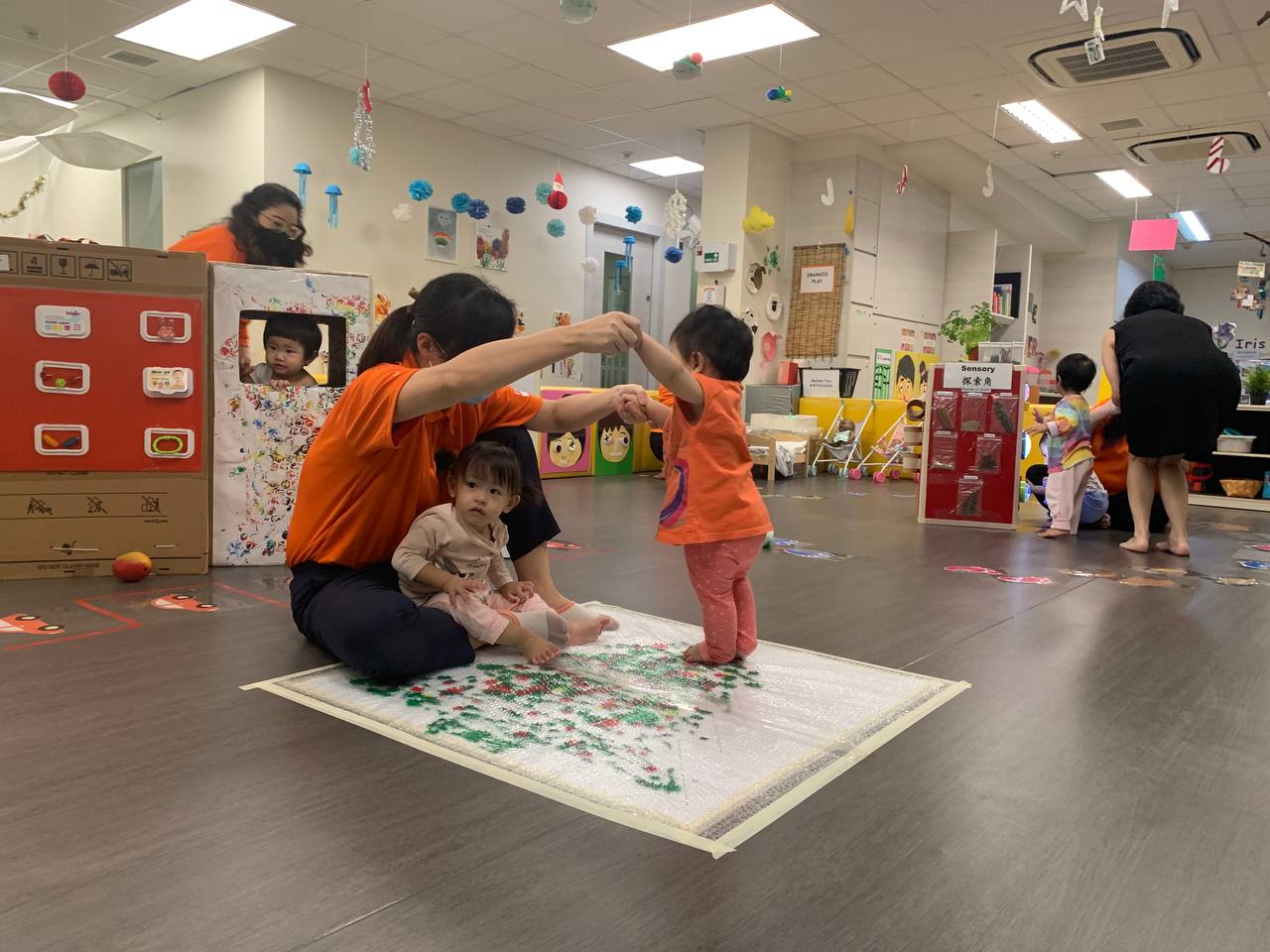
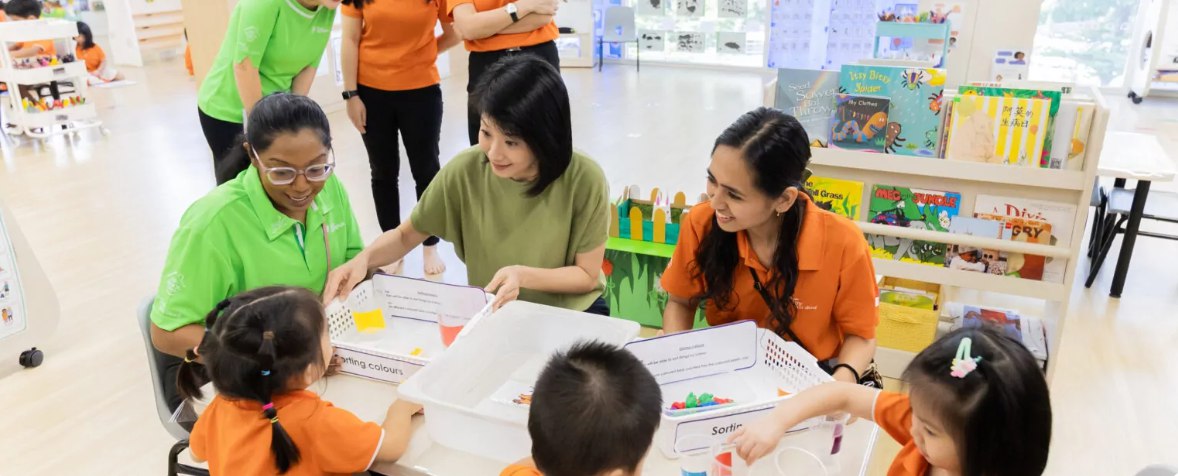
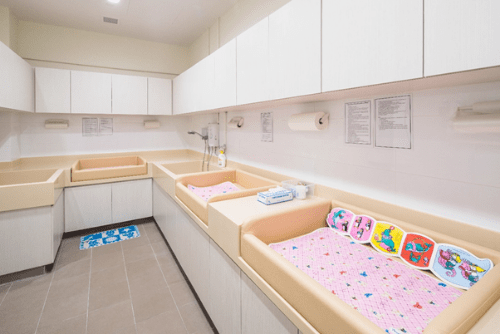
Take a look at the centre and observe the infants’ sleeping and play areas. Are they safe and conducive for infants? Is the place a sensory-rich environment that is ideal for learning?
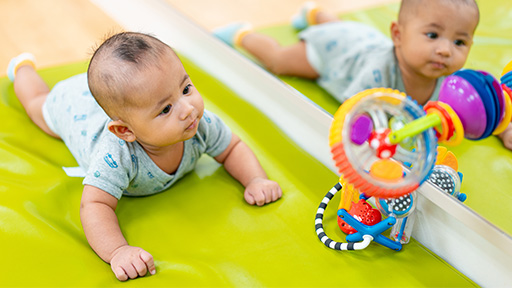
At My First Skool, our infants’ sleeping area is separated from their play area, which ensures that infants get restful sleep during nap times. Our play areas are safe, sensory-rich environments that contain books, handmade learning materials, and everything else infants and toddlers need to develop. Our furniture are child-friendly, with padded areas that keep infants stay safe and sound, even as they learn to crawl and tumble.
#2: Services and Curriculum
Ask if your shortlisted centre provides routine care services, or if they have a dedicated curriculum that provides your child with other forms of stimulation and enrichment during their formative years.
Infants at My First Skool undergo our relationships-based curriculum (RBC) programme – a curriculum for children 0 to 3-years-old that is proven to build strong, nurturing relationships between teacher and child.
It is important for a child to feel secure and attached to their teacher, because when a child feels secure, learning happens! Research has shown that children are more engaged and involved in learning when a relationships-based approach is adopted. Our Relationships-based curriculum approach helps children to develop a positive “I can do it” spirit, while also building confidence and resilience!
“Thank you for caring for Liam ever since he joined the school as a tiny infant. His smiley face every day is a testament to the joy and secure environment he receives from school daily and it warms my heart to know he’s well taken care of with many “mummies” at infant care. Keep up the good work!” – Lorraine, Parent of Infant at My First Skool at Blk 269 Compassvale Link
#3: Teachers
All infant care teachers in Singapore possess a Higher Certificate in Infant Care (or higher), so you can be assured that your child is being looked after by a trained professional.
At My First Skool, our teachers also undergo rigorous training on how to observe, document and come up with learning plans to suit each child’s unique needs.
To do so, teachers maintain regular documentation of each child’s level of well-being and active involvement in activities. Through keen observation and documentation, our teachers track detailed aspects of your child’s development – and communicate these findings with you.
#4: Parent Communication
Be sure to ask about the level of communication your preferred infant care centre has with parents. This is an essential, but often overlooked factor for many parents.
At My First Skool, we believe that communication between parents and their child’s school is paramount to a child’s development and wellbeing. Here, we inform parents of their infant’s feeding times and amounts – providing assurance and peace of mind that their child is being well cared for.
Your child’s main caregiver will frequently engage with you, sharing all this important information, while also understanding how your child is doing at home. You can also log in to our convenient parent portal app to find this information, as well as consistent developmental updates on your child.
“Having 2 young children attending school at a tender age can be daunting but the love and care showered by the leaders and teachers with prompt updates have given me the assurance while I’m at work.A big thank you to the infant care teachers who diligently captured my son’s milestones since his infant years and to the Toddler teachers now for your patience with my playful little monkey.” – Astraea’s and Isaiah’s Parent, My First Skool at Blk 82 Strathmore Avenue
#5: Meals
Nutrition is vital for growing infants, so it is important to check what type of meals your child will be getting at your preferred infant care centre.
Here at My First Skool, every meal is planned by our nutritionist and in-house chef to ensure children receive a nutritious, balanced diet that is in accordance with the Health Promotion Board’s guidelines.
As every child develops at a different pace, we keep in constant communication with parents to determine the ideal time to start weaning a child on solid food. For infants who can take solid food, we recommend that they eat their meals (breakfast, lunch and tea break) at our centre.
Our nutritious meals are perfect for introducing new food types to your child in a gradual manner, so they will be well-acclimated to healthy solid foods by the time they reach 18 months of age.
Here are just a few examples of the tasty meals that infants enjoy at My First Skool:
#6: Location
Accessibility is incredibly important! Having a preschool located near your home will allow you to spend more time resting and engaging with your child, and less time on travelling. This leads to happier parents and happier children!
With 145 centres island-wide and 115 of these centres offering infant care services – the My First Skool network is easily the most easily accessible preschool for many Singaporean families!
#7: Fees
As part of the NTUC First Campus family, our philosophy is to give every child a good head start in life – regardless of their background or financial capabilities. This ethos is reflected in our affordable fees, high-quality care and curriculum. Even better, working mothers can enjoy an infant care subsidy of $600 per month when you place your infant with us – making your infant care investment an affordable $764.25 a month.
Learn more about our fees here.
Interested in seeing how our infants spend their days at our centres? Take a look at their daily routines here. At My First Skool, we are truly committed to raising happy, healthy children who embody an “I can do it!” spirit – and we do so with our innovative curriculum, nutritious meals and engaging learning environments.
Give your child the head start they deserve by sending them to a My First Skool centre near you. Visit us to find out more!
Did you know that children with a strong sense of security, trust and self-confidence, tend to learn better than their peers? One of the ways that children develop these qualities early in life is through strong, positive relationships with their caregivers. Infants and toddlers thrive in a caring, comforting and trusting environment – where the…
Did you know that children with a strong sense of security, trust and self-confidence, tend to learn better than their peers? One of the ways that children develop these qualities early in life is through strong, positive relationships with their caregivers.
Infants and toddlers thrive in a caring, comforting and trusting environment – where the child feels safe and secure, both physically and emotionally, with the people around them. For most children, their early “safe spaces” are at home and in school.
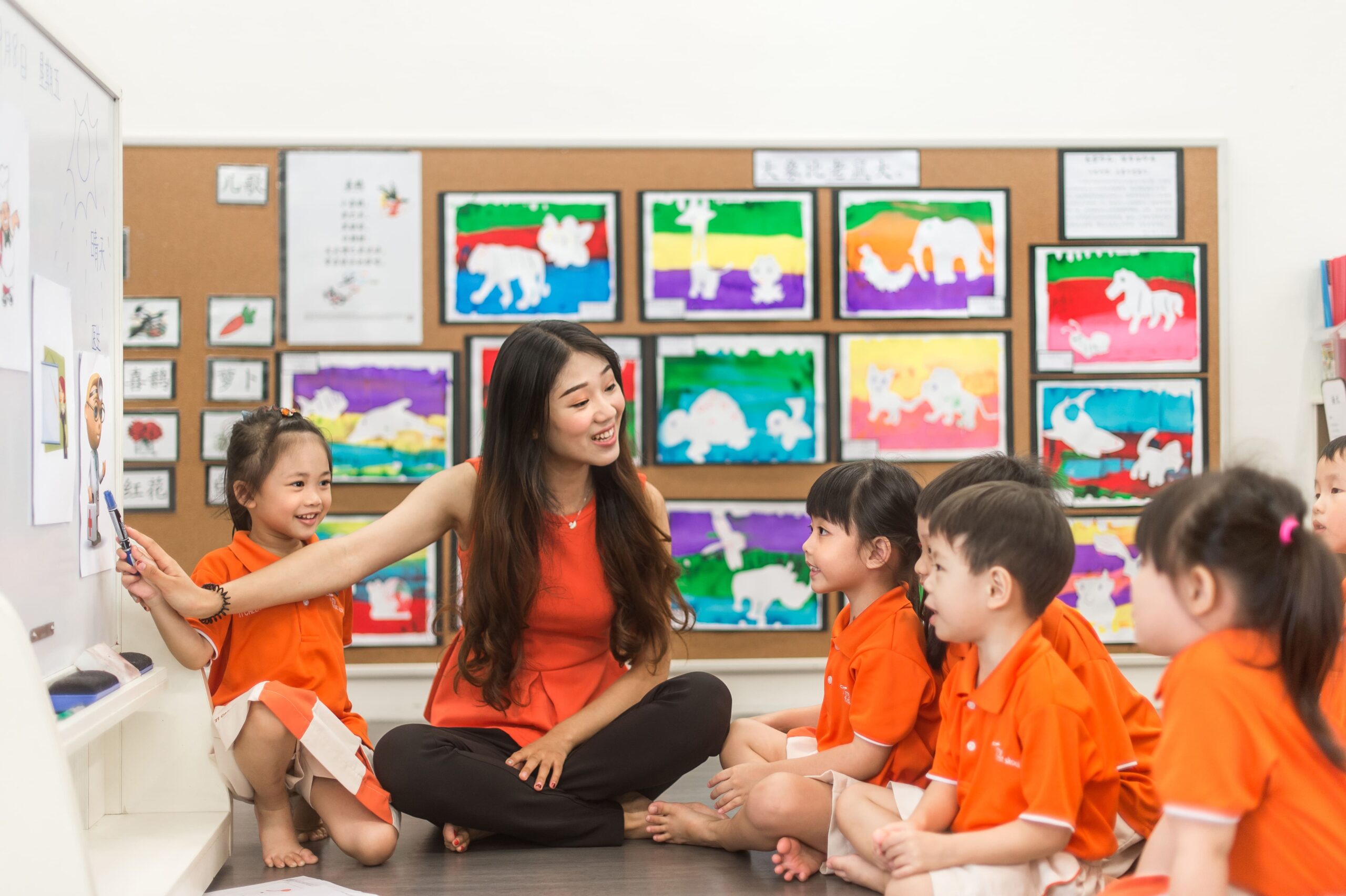
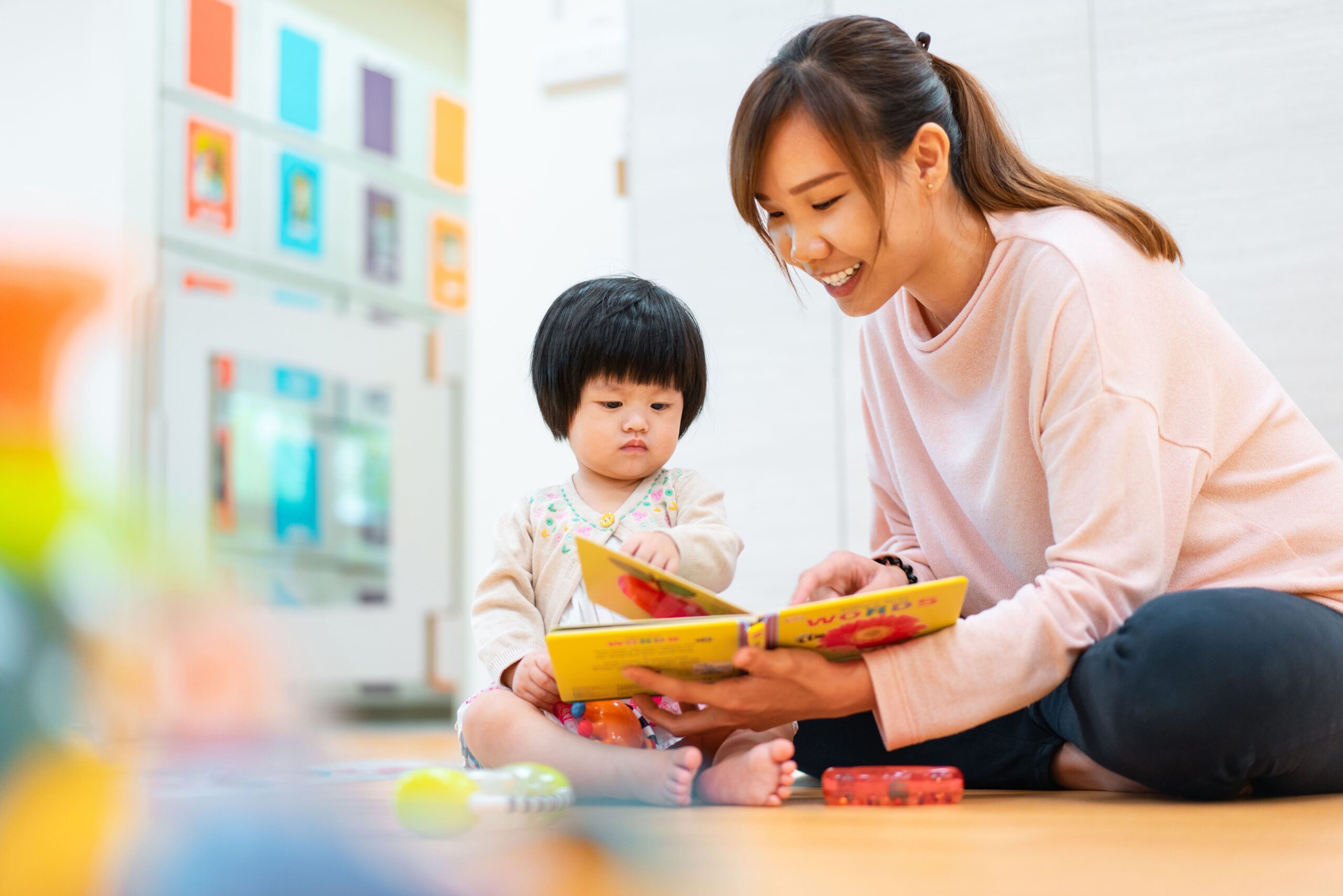
At My First Skool, we believe strongly in the importance of building close teacher-child relationships. In our experience, the relationship between a child and their teacher will form the bedrock of their preschool experience – and determine how well they develop socially, physically and emotionally.
This is why our teachers go beyond classroom curriculum to reach out to children. We believe that the recipe for forming close relationships with children is a generous dose of care, several helpings of close communication with parents, heaps of keen observation, and scoops of well-planned routine.
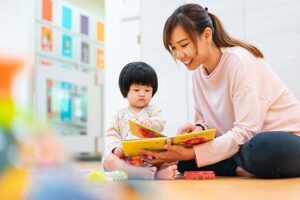
Nurturing strong relationships
When you meet our teachers, don’t be surprised when they ask questions like, “Who are the members in your family?”, “How does your family usually spend weekends?” and “How is life in your household?” Our teachers are interested in getting to know each child’s family and their life outside of school.
These friendly chats also let our teachers know how your child behaves in other environments, as well as their likes, dislikes, closest family members, and more. This collaborative approach gives our teachers the information they need to better understand and communicate with your child – building close, trusting relationships with them.
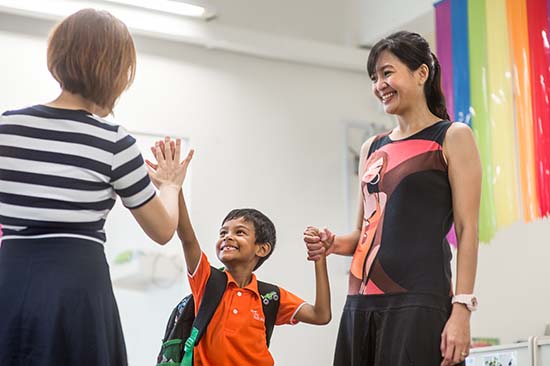
Close communication with parents
As early childhood professionals, our teachers are trained to observe the body language of infants and toddlers – accurately reading cues that tell them what the child needs, before responding accordingly. Our teachers generally have a good read on how your child is feeling, and this improves over time as they get to know your child better (and as your child becomes more comfortable with communicating their needs and wants to their teacher).
When a teacher needs a child to wait for attention, they know how to relate this message to the child in a reassuring way – so that child knows that they will be attended to soon. This helps children to feel safe and secure, while under the caring eyes of their teacher.
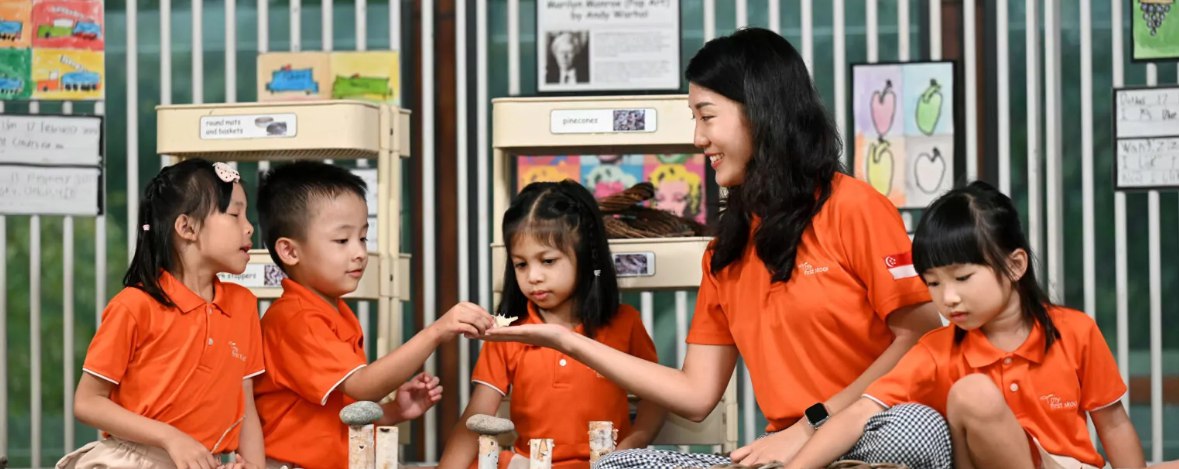
Engaging play is one of the most effective ways to establish relationships with children, and My First Skool’s “dramatic learning corners” provide teachers and children with opportunities for such playtime.
Spending time playing with the children sends a simple message of “you are important to me”. This message helps the children to learn about who they are and the relationships they form with others. Through play, our teachers also show support and encouragement for children to explore, experiment and learn from their mistakes. The time spent playing, listening and interacting with the children, help them to learn the skills they need for life, like communicating, thinking, solving problems, etc. For example, if a child who is playing the role of a shopkeeper has difficulty in counting money, the teacher will step in to facilitate the learning – turning potential frustration into a valuable learning opportunity, while developing trust between child and teacher.
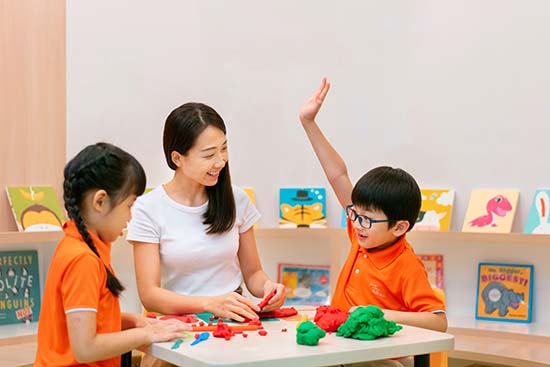
Engaging play
Emotions are an everyday part of life – especially so when you’re a child. Our teachers use children’s natural connection to a wide variety of emotions to teach them valuable lessons. By teaching children about the many different emotions available, children can recognise and access these emotions more freely – and manage them better.
In our classrooms, it’s common to see teachers give positive affirmation to children when they behave well or do something nice for their classmates – affirmations such as, “I’m very happy that Susan helped me to keep the toys after playtime.” Our teachers also utilise a wide range of emotions to show children that it’s alright to express their feelings in an appropriate manner, like “I’m sorry that your brother is feeling unwell. What can you do to make him feel better?”
Emotions are an everyday part of life – especially so when you’re a child. Our teachers use children’s natural connection to a wide variety of emotions to teach them valuable lessons. By teaching children about the many different emotions available, children can recognise and access these emotions more freely – and manage them better.
In our classrooms, it’s common to see teachers give positive affirmation to children when they behave well or do something nice for their classmates – affirmations such as, “I’m very happy that Susan helped me to keep the toys after playtime.” Our teachers also utilise a wide range of emotions to show children that it’s alright to express their feelings in an appropriate manner, like “I’m sorry that your brother is feeling unwell. What can you do to make him feel better?”
We place a strong emphasis on developing strong relationships between children and teachers, as this promotes healthy brain development in little ones. This is because when children feel comfortable enough to depend emotionally on their caregivers, they tend to be more open and involved with lessons and daily activities – which accelerates the development of their interests and learning capabilities.
Our relationships-based curriculum encourages our teachers to prepare their environments (i.e. classrooms and play areas) based on their observations of their children’s interests and needs. Then, children are given the opportunity to choose their preferred activities and interactions. This builds an atmosphere of trust and fun, and develops confidence in children.
The learning of mother tongue has been a common hurdle among Singaporean children, getting them to love it is an even tougher process. It is no wonder savvy parents of pre-schoolers try to get hold of the best resources to give their children that head-start they need before they go to primary school. The implementation of Circuit…

The learning of mother tongue has been a common hurdle among Singaporean children, getting them to love it is an even tougher process.
It is no wonder savvy parents of pre-schoolers try to get hold of the best resources to give their children that head-start they need before they go to primary school.
The implementation of Circuit Breaker measures that kicked in on 4th April may put us in a bit of a frenzy, but it may just be the best time to spend some one-on-one time with our little ones and help them to grow their interest in Chinese.
Who knows – a month from now, your child may just surprise his/her preschool teacher with better pronunciation and understanding of the language!
Our team of parents enthusiast have also been chipping in to develop a series of audio books to help other parents who do not want too much screen time for their child can play the audio books. Do keep checking back as we upload the audio book clips to this book list! In the meantime, you can check out some of our English audio books.
Ask any Chinese language expert and chances are you’ll hear them share the same philosophy to mastering the language: 多听,多读,多写,多说 (listen, read, write, and speak more).
Let’s focus on the 多读 (read more) aspect in this article.
This is one of the most effective ways of nurturing your child’s interest in the Chinese language.
The best part about focusing on this aspect? Once children establish a love for reading (Chinese) books, it will be a lifelong habit that grows up with them!
We understand that many parents have trouble finding Chinese books for their children. This list of recommendations curated by our curriculum specialists will help you get hold of the books that your child will enjoy and learn from.
Synopsis: Featuring beautiful illustrations by Japanese artist Miyanishi Tatsuya, this book follows the journey of a snake that goes for a walk every day, and encounters a different fruit on each occasion.
Why this book is good: The repetitive text helps etch nouns like “snake”, “eat”, and “going for a walk” on the minds of the young reader, while introducing different fruits to him/her. Your child (and you!) will also enjoy the surprising conclusion at the end of the book; we’re not spoiling it for you – go read it yourself!
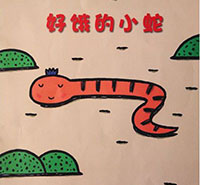
好饿的小蛇
Synopsis: This book puts its spotlight on Bubu, who went to the zoo with his mother and fell in love with the animals he saw. At the end of the excursion, Bubu realises while he loves the cute animals, he still loves his mother the most – aww!
Why this book is good: As you flip through the pages, your child will be introduced to the different animals including monkeys, koalas, and elephants that Bubu has fallen in love with. Besides introducing the animals’ names, share with your child the sounds they make too!
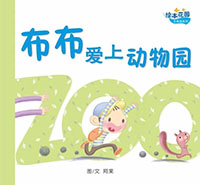
布布爱上动物园
Synopsis: At every bus-stop, each featuring a different sight, a passenger gets down the bus and the reader gets a glimpse of what each passenger does and how they feel – happy, excited, tired, or anxious.
Why this book is good: Each character in the story gives the young reader the opportunity to learn about different occupations and roles. Parents can use the book to discuss scenes that their children observe in their own lives and help them understand and express emotions in the process.
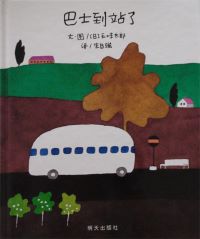
巴士到站了
Synopsis: There’s no storyline to this book, but it’s a fun, almost “magical” book that’s very engaging. By following simple instructions such as “Press the red dot five times” or “Touch the yellow dot on the right”, the young reader gets to see the page transform as it turns.
Why this book is good: The book triggers creativity and imagination while encouraging children to learn simple instructions in Chinese.
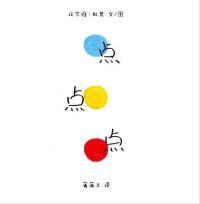
点点点
Synopsis: By bestselling author Mem Fox, this book introduces babies of different skin colour, hair colour, outfits, and behaviour. As the book progresses, the reader eventually realises that despite the cultural differences, every baby shares several similarities: they have 10 fingers and 10 toes, love to play, and have loving mothers.
Why this book is good: This heart-warming story doesn’t just nurture your child’s love for Chinese, but more importantly, it helps them be more loving and empathetic towards people who appear different from them.
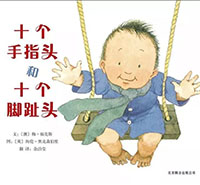
十个手指头和十个脚趾头
Synopsis: This simple book introduces the different people a little girl meets from the time she wakes up to when she goes out of her house, as she greets each of them politely.
Why this book is good: Featuring sights familiar to the Singaporean kid, such as a hawker centre and elderly people doing exercises at a park, your child will find the images relatable. The book also teaches children to greet everyone they see politely.
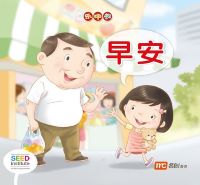
早安
Synopsis: An An learns to be independent and dresses himself in the morning. He gets it wrong at first but finally does correctly when he tries it a second time!
Why this book is good: It encourages older toddlers to be more independent and inculcates the idea that it’s okay to fail on their first try – try again and they will eventually do it right.
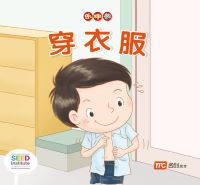
穿衣服
Synopsis: Different animals share why they enjoy baths – because they love smelling good. The beautifully illustrated book is completed with the last two pages, showing how Baby loves to take a bath to smell good too!
Why this book is good: The repetition helps the young reader to learn animal names and useful words like “bath” and “smelling good”. It may help the child look forward more to bath-time too!
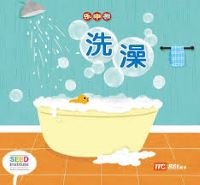
洗澡
Synopsis: An An goes out to look for his friends to play together only to find that they are taking naps. He decides to return home for a nap too.
Why this book is good: The simple storyline isn’t just relatable to your child, but also offers room for you to prompt your child with questions, for instance about what each character is doing or the child’s own nap routine.
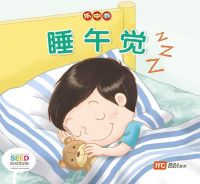
睡午觉
Synopsis: Using illustrations that stretch across two pages, the book tells the young reader what different animals dream of when they are sleeping, as well as what Baby dreams of.
Why this book is good: Each paragraph follows a similar sentence structure of introducing what each character (for example, a cat) had stopped doing at night (stopped meowing) because it is sleeping and dreaming about an activity it enjoys (fishing). In the process, your child gets to learn animal names, the sounds they make, and different activities.
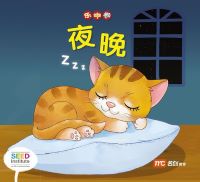
夜晚
Synopsis: The animals in the book enjoy washing their hair because of the fun hairstyles they can create in the process.
Why this book is good: The simple storyline is easy for your child to understand and the repetition throughout the book helps the young reader remember animal names and words like “hair-wash”. You can also make reference to the book the next time your child puts up a fuss about hair-washing!
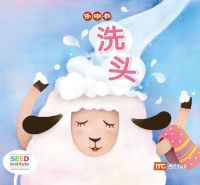
洗头
Synopsis: The Chinese version of the popular The Very Hungry Caterpillar, this book follows the food-searching (and eating!) journey of a caterpillar until it finally stops eating, builds a “house” for itself, and then emerges as a beautiful butterfly two weeks later!
Why this book is good: Using beautiful illustrations to showcase the food that the caterpillar ate (one apple, two pears, three plums…), the book makes learning how to count more fun. The story also helps the child recognise the Chinese names for fruits, and appreciate the transformation of a caterpillar to a butterfly.
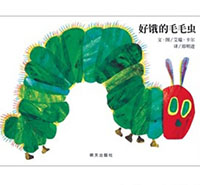
好饿的毛毛虫
Synopsis: Translated from a classic children’s book by Pat Hutchins, this is a funny story of Rosie the hen who unknowingly led a fox that is trying to catch her through a series of obstacles, getting him into many accidents.
Why this book is good: The fun and engaging story will tickle the funny bone of your child while he/she learns new words in the book.
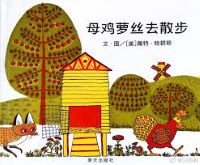
母鸡萝丝去散步
Synopsis: Translated from Something from Nothing by Phoebe Gilman, an adaptation of a Jewish folktale, the book describes how a blanket Grandpa made for young Joseph grew up with him over the years, transforming into a jacket, a button, and finally, a story.
Why this book is good: Besides being a great resource to introduce a few useful nouns to your child, the heart-warming story also reminds him/her to not just enjoy gifts for what they are, but more importantly, that they’re a token from the giver’s heart.
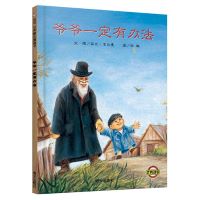
爷爷一定有办法
Synopsis: A little hare asked his daddy to guess how much he loves him, and expresses his love by comparing it to how wide he can reach and how far he can hop. His daddy reciprocated with similar expressions; the adult hare can reach further and hop higher, indicating how much more he loves him.
Why this book is good: Many parents and kids love the ending of this book: the little hare tells his daddy that he loves him right up to the moon and his daddy replies that he loves him to the moon – and back. (Now you know where this popular expression came from!) Besides picking up new verbs, children also get a deeper sense of how much their parents love them.
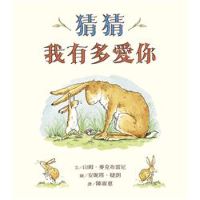
猜猜我有多爱你
Synopsis: The story features five sad toys sitting in a gloomy room waiting for their turn to be called. The atmosphere turns from ominous to joyful as each toy emerges looking renewed and more energetic. It turns out that they have visited the toy doctor who helped them get better!
Why this book is good: The simple text and beautiful illustrations teach the young reader to count and to understand that the doctor isn’t scary – but helps make every sick child feel well. It’s definitely a good book to revisit before every doctor’s appointment!
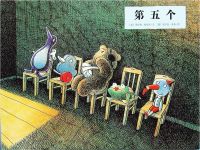
第五个
Remember, the more you exposed your child to the language, the easier it is for them to be acquainted with the language. Do keep coming back to check out our audio books!
My First Skool introduces Home Learning Programme to complement its preschool curriculum, benefiting 22,000 students and their parents 22,000 preschool children – from infants to six-year-olds – and their parents benefited from the Home Learning Programme introduced by My First Skool (MFS) in January 2021. Designed to complement MFS’ existing preschool curriculum and offer a…
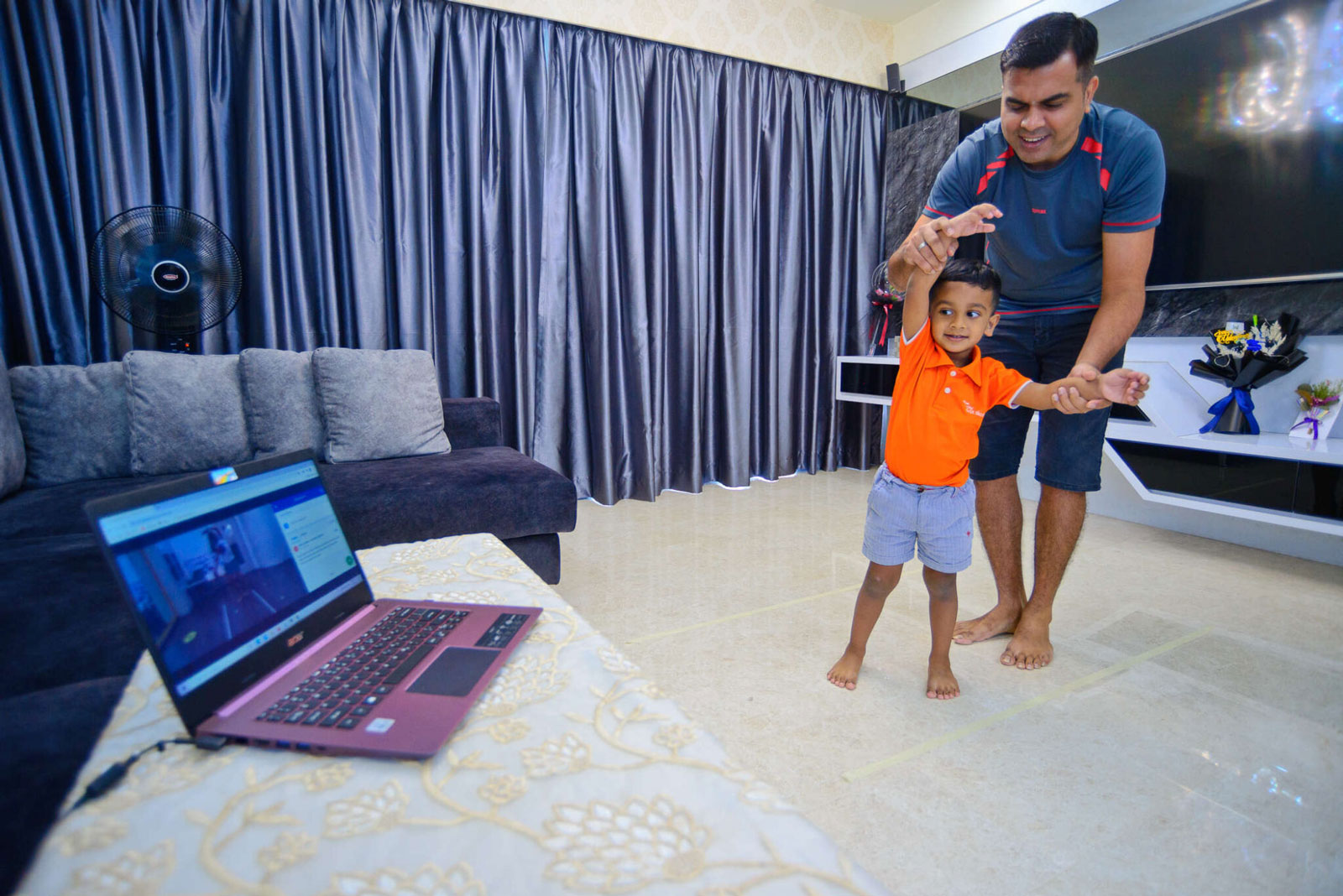
22,000 preschool children – from infants to six-year-olds – and their parents benefited from the Home Learning Programme introduced by My First Skool (MFS) in January 2021. Designed to complement MFS’ existing preschool curriculum and offer a more resilient hybrid preschool model amid the COVID-19 pandemic, the programme was launched in phases across its 145 centres this year.
Available and accessible through a microsite platform on parents’ computers and tablets, the Home Learning Programme aims to be a ‘Teacher in the Home’, providing three methods of learning for children with content produced by MFS. These include 30-minute live sessions on Saturday mornings with MFS’ teachers, or partners from other industries such as nutritionists and musicians; twice a week pre-recorded guided sessions in the evenings (including Chinese and Malay reading sessions), and an e-Repository of thematic content available on demand. Parents can pre-schedule customised sessions for each child.

A 2019 Nielsen Survey commissioned by NFC reported that although many parents believe in sending their children to in-centre schools, more than 60 per cent of parents are keen to engage their children in learning at home. One in two parents are also more likely to pick a preschool offering home-based learning compared to one without. This is because home-based learning allows parents to have greater involvement in their child’s learning and to better understand what their child is learning in school.
“Addressing the needs of parents who want to be a proactive part of their child’s learning journey, MFS’ Home Learning Programme takes learning beyond the classroom setting into the comfort of the child’s home, with highly interactive and responsive content to guide and support parents in facilitating fun and meaningful home learning experiences with their child,” said Ms Thian Ai Ling, General Manager, MFS.
The feedback from parents who participated in the Home Learning Programme has been positive. Parents valued the opportunity to bond with their child and discover their child’s areas of interest through learning. They also appreciate the breadth of content catering to the diverse interests of the different age groups, and the quality of the programmes, such as engaging activities and lessons that are easy to follow.
Mr Benjamin Kwan, 32, whose son Christian Kwan attends a MFS preschool in Pasir Ris, shared that MFS’ Home Learning Programme is very “engaging with all the songs and variety of activities, (as) Christian tends to sing along while listening. The way the sessions are conducted is similar to how lessons are run in school, so there is familiarity in the way a story is being described and an activity being shared. Instead of us trying to think of ways to engage our child, there is support from My First Skool at no additional cost from parents. The content is relevant to Christian’s age group, which helps us guide him along after watching the sessions together.”
MFS has been gathering feedback from parents to continuously improve the Home Learning Programme. In addition, MFS has launched the Home Learning Programme on mobile, to cater to busy parents who would like to arrange for their child’s virtual lessons while on the move.

(28 October 2021) Straits Times Online: https://www.straitstimes.com/singapore/parenting-education/my-first-skool-launches-home-learning-sessions-for-pre-schoolers
(29 October 2021) Lianhe Zaobao Online: https://www.zaobao.com.sg/news/singapore/story20211029-1207976
(28 October 2021) Capital 958FM
(28 October 2021) 8world: https://www.8world.com/singapore/my-first-skool-home-learning-1630431
(29 October 2021) The New Age Parents: https://thenewageparents.com/ntuc-first-campus-my-first-skool-home-learning-programme
(22 November 2021) Berita Harian Online: https://www.beritaharian.sg/bahasa-budaya/kini-anak-lebih-fasih-cakap-melayu-sejak-ikuti-kelas-dari-rumah-my-first-skool
A common misconception among Singapore parents is that good preschools are expensive, leaving them with only two options – pay a pricey monthly fee for a reputable preschool, or save money by choosing a preschool that doesn’t offer the quality of care and education that they want for their child. But is it true that…
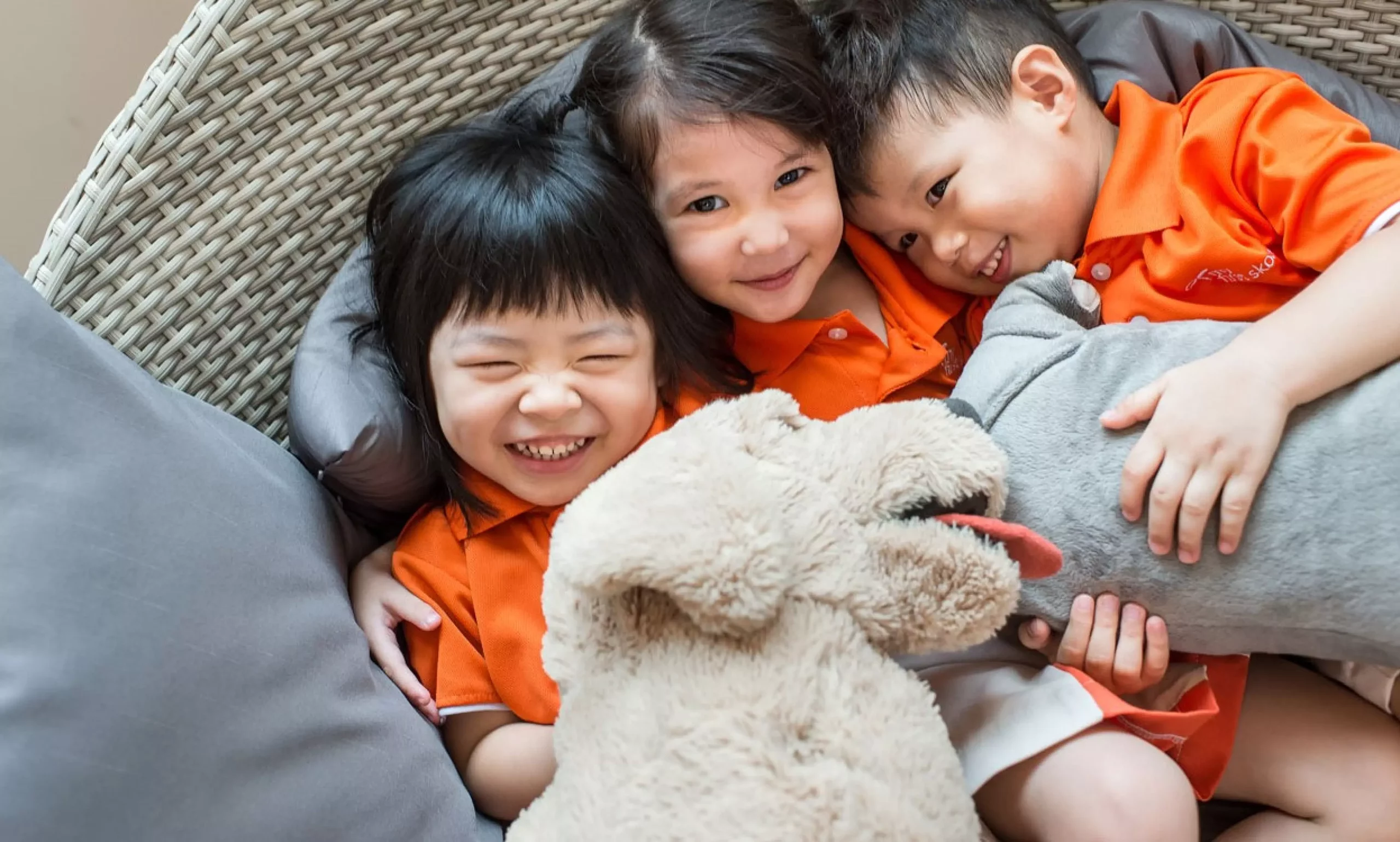
A common misconception among Singapore parents is that good preschools are expensive, leaving them with only two options – pay a pricey monthly fee for a reputable preschool, or save money by choosing a preschool that doesn’t offer the quality of care and education that they want for their child.
But is it true that your child can’t get the best of both worlds in Singapore? That is, a quality preschool with affordable fees?
We’re here to shatter this misconception.
At My First Skool, our standards are second to none. Whether it’s the qualifications of our educators, the quality of our learning environments, our proven curriculum, or anything else – you’ll find that we’re not simply on par with other reputable preschools, we exceed expectations. My First Skool is one of the best preschools in Singapore with affordable preschool fees.
1. The best minds, and the best practices, in the industry
We are proud of the curriculum used in (and out of) our classrooms. From our core curriculum to meal planning, every aspect of a child’s life at My First Skool is developed by a team of professionals in their areas of expertise. We have a large number of early childhood professionals who hold doctorates in their fields, and are well-recognised for their contribution in the sector.
Also, we have quality managers who ensure that educational practices are consistent across all the centres in our islandwide network. Parents will be glad to know that 100% of My First Skool centres that are eligible for SPARK certification, have been certified.
Going a step further, we also work with well-respected industry partners to ensure that our lessons and activities are the very best they can be.
2. Our evidence-backed curriculum is ideal for infants and toddlers
My First Skool is well-known for our relationships-based curriculum (RBC), which is our proprietary curriculum that is backed by science and evidence. In fact, research has shown that children who have undergone RBC display higher levels of active involvement, such as better concentration levels during learning. This is because of the trust infants and toddlers build with their educarers, which gives them the confidence and ability to learn and develop at their best.
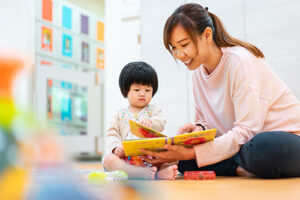
3. Niche programmes are featured in our classrooms
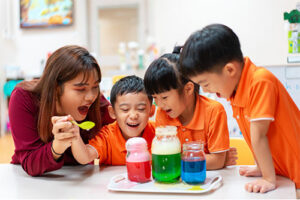
And this curriculum expands beyond the lessons our experts have developed. We also work with well-respected industry partners to incorporate niche programmes such as STEM-based learning (i.e. science, technology, engineering, maths), arts, bilingualism and cultural intelligence, character building, nature learning, and Malay heritage into our schedule.
4. Conducive learning environments
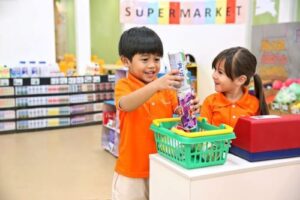
Our schools are designed to optimise learning and development in young children. In our learning environments, you’ll find an impressive selection of learning resources, interactive learning corners that engage children in fun and creative ways, and plenty of opportunities for children to learn and play, both indoors and outdoors.
5. We implement industry-leading safety practices
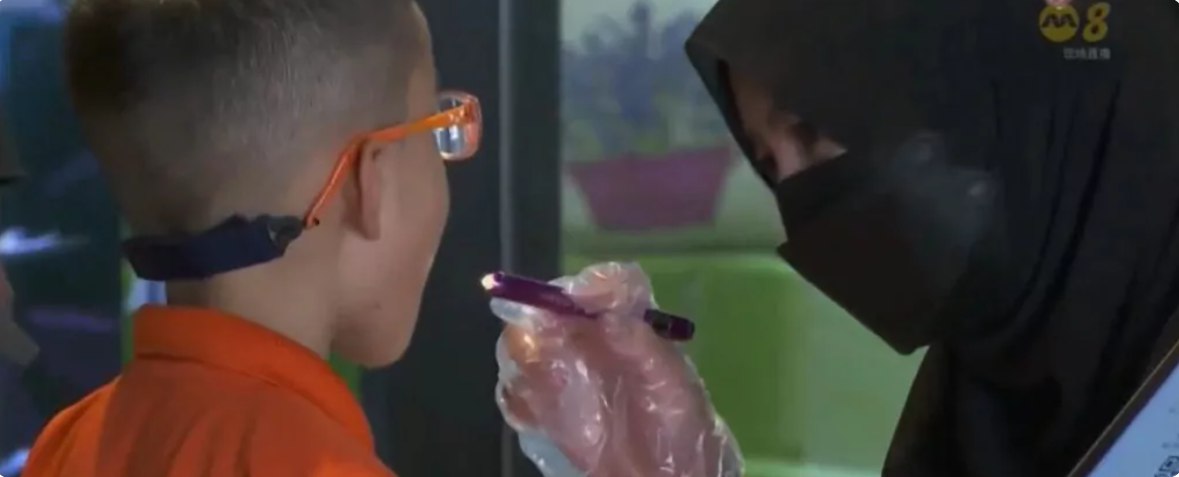
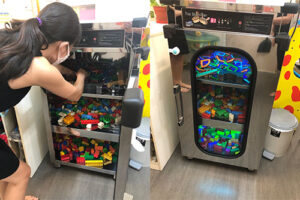
When it comes to adopting best practices in health and safety, My First Skool has always led the way. And with concerns over the COVID-19 pandemic, we have proactively implemented best practices in all our centres. Our schools are stocked with commercial grade UV sterilisers, which our teachers and staff use to sterilise toys, kitchen equipment, as well as other items and areas. At our larger centres, temperature sensors are used to keep an eye on everyone’s temperature throughout the day.
6. Our children enjoy healthy menus, planned by dieticians and nutritionists
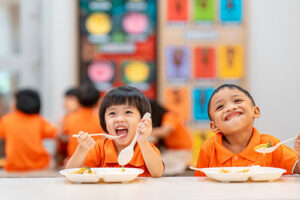
When it comes to food, we focus on building healthy eating habits and preferences in children. Our children are treated to a wide variety of dishes from our tasty-yet-healthy menu, which is rotated bi-weekly to keep children’s interest in these healthy meals high. Every meal is planned by our expert dieticians and nutritionists, and prepared by our in-house chefs.
Best of all, we take pride in being recognised as a preschool that most Singaporeans can comfortably afford. As part of NTUC First Campus family, My First Skool provides affordable preschool education for children across Singapore while delivering exceptional value and quality. We also do our part to reach out to children from low income families with the Bright Horizons Fund, so every child can get a good head start in life.
So, if you believe that good preschools always come with big fees, we’d like to invite you to tour any of our 140 centres across Singapore, take a look at our learning environments, understand our curriculum, and check out our fees here. We look forward to seeing you!