This topic for December focuses on the importance of transitions (that is change) in children’s lives. In every transition, a child has to adapt to the changes and parents need to be aware and help their children deal with the changes in a positive way. This topic discusses possible challenges children may face during transitions…
This topic for December focuses on the importance of transitions (that is change) in children’s lives. In every transition, a child has to adapt to the changes and parents need to be aware and help their children deal with the changes in a positive way.
This topic discusses possible challenges children may face during transitions (especially when entering Primary school), and presents suggestions and strategies for supporting and preparing children to cope with the changes.
What are transitions?
Transition begins from the onset of a child’s life. Beyond the birth process, the first transition is from the hospital, where birth takes place, to the home. For some children, the next transition may be into some form of care beyond the home – infant/child care or to a relative’s home. By age three or four, children then experience the transition to early education, followed by transition to Primary school at age seven, and the list continues to Secondary school and so on to ensuing life transitions.
Transitions are essential to children’s life experiences and ongoing development. How children cope with early transitions can affect
their social/emotional health,
their ability to learn successfully, and
their ability to adapt to the demands of changing contexts.
Therefore, preparing the children for such an integral part of their lives is indeed necessary and important. The support of parents during any major change will also help to ensure their well-being.
A time of change: Children’s well-being is affected by change
Starting child care or school can be an exciting time of change for children and families. However, for some children and families, it can be a time of some anxiety. There are many things that a parent can do to prepare children in a positive way for any major change ahead. It is after all every parent’s hope that by starting well in any change context, their children can achieve good outcomes later on.
When children go into any formal care setting, be it child care, preschool or Primary school, they have to learn to be part of a group of children. This is very different from being at home with a small number of children and it can be overwhelming, with many new people, new children to get to know.
In the context of My First Skool (MFS), infants with their families are encouraged to make many visits before the infant is left without the parent. It is most important that families take advantage of this and help the infant to become familiar with the context before leaving the infant there without the parent.
The primary caregiving system for infants in MFS helps the infant to become attached to main person who looks after them. However, other teachers care for the infant too. Over time, the infant becomes secure and develops trust, this is a lifelong trait that helps children become resilient and cope with life’s challenges.
Due to funding policies, in infant care in Singapore, children move to another group when they reach 18 months. They make the transition to Playgroup, another group of children cared by different teachers. This is done gradually so that new relationships can be formed.
From the year when a child in child care turns three or when a child starts preschool, such transitions will occur annually, progressing through the various levels of early education (Nursery 1, Nursery 2, Kindergarten 1 and Kindergarten 2).
Starting Primary school: Another transition for children
When children start primary school, they have a lot to get used to a different setting. In comparison to a child care centre or preschool, the primary school may seem big and formal to children. They will have to cope with new rules and routines. Some children will manage this easily while others may need more help from parents and teachers.
Helping children to feel confident about school will give them a positive start.
If children have friends or neighbours who are starting school together then this can help. The social aspect of starting school is very important and if the child experiences happy times when beginning school, then this will help.
The following extracts from parents give some insights:
She is very happy and excited about starting school. We had many discussions to identify and minimise any fears she had.
Yes, she loves to play with her new friends in school, only has boys to play with at home. I talked to her informally about starting school as it’s an important stage in her life.
He was anxious but made a friend at school so that helped.
How to prepare children for transition to primary school?
Building confidence, well-being and resilience
There are important things parents can do to help children feel confident and optimistic about starting school. Talk with them about what school will be like. Borrow books from the library with positive stories about starting school.
Parents can also help children to build confidence and optimism by encouraging a habit of positive thinking. Asking children to tell you about the good things that happen each day helps develop this.
The well-being of the child is of prime importance.
Orientation to the school
Knowing where the school is situated is important.
Visits to the school over several weeks if possible.
Walks around the school to see where things are, e.g. playgrounds, toilets.
There may be time for parents to meet staff members and ask questions too.
There is a lot for children to get used to when they start school. Some children will adapt more easily than others.
Getting ready
To prepare children for school, parents can consider the following:
Involve your child in preparing for school, e.g. shopping for their uniform.
Help your child learn to be independent, dress themselves, and to use the toilet on their own.
Be able to identify their own clothes.
Establish the bedtime and morning routine that they will have when they start school. It is very important that they get enough sleep.
Practice the route or bus to take your child to school.
Plan to take your child to school on the first day. Show them where you will pick them up at the end of the day. Make sure you are always on time. A few minutes can seem like a long time to a young child.
Talk to your child about the lunch time, buying lunch at the tuck shop will be a new experience.
Some schools have a ‘buddy system’ (a friend to help you to get to know what happens at school) to help with the transition.
Always reassure the child that you will come back to collect them, you will be there and waiting, hoping they have had a happy time.
How to support children during the first few week
As your child settles in to school:
They may be tired at the end of the day. It may be a long day for some children.
Do not plan too many after-school activities; make sure they have time to rest and for relaxation.
They may be hungry after school. Take a healthy snack when you collect them up. Try giving them an early dinner as they may be too tired to eat later.
They may want to tell you all about their day as soon as they see you. Be available to listen. Some children may want to relax first.
Some children may not want to talk about it – do not press for comments if this happens, wait for the child to contribute.
Make reading with them part of your daily routine. Bedtime stories are a great way to end the day.
Dealing with stress
Children can show stress by:
Being tearful
Not wanting to go to school
Feeling insecure
You could help by:
Encouraging them to talk about what is worrying them.
Letting them know that you are confident they can manage.
Asking what they think would help them (e.g. who should take them to school, where they want to say goodbye, what they want to do after school).
Having some control can help children manage their fears.
If the worries continue, talk to the teacher about the best way to help them. Make an appointment to see the teacher if you are concerned about your child.
Many parents also feel a sense of loss when their child starts school. They feel that their child’s world will change and they will no longer have their ‘baby’.
Try to relax! If you are stressed, your child may sense this and worry too.
Closing comments
Children do best at school when their parents and teachers work together to support them.
There is a proverb that states, “The beginning decides the end.” Although transitions occur many times throughout a child’s life, positive guidance by parents can help to make the child’s future a happy and worthwhile one!
Other information
Schoolbag.sg is an online publication by the Ministry of Education, Singapore (MOE) which features a number of articles about supporting children during transitions. In addition, there are also workshops and seminars on related topics organised by MOE and the Early Childhood Development Agency for parents.
All rights reserved. No part of this publication may be reproduced, stored in a retrieval system, or transmitted in any forms or by any means, electronic, mechanical, photocopying, recording or otherwise, without the prior permission of the Copyright holder.
3 Fun & Easy Activities To Encourage a Positive Attitude In Your Child
A positive mindset is important to nurture because it is one of, if not the most, crucial coping skills that encourage the development of a “can-do attitude”. A positive attitude also teaches individuals how to navigate their emotions and even cope with disappointment. As parents play an influential role in their child’s life, it is…
A positive mindset is important to nurture because it is one of, if not the most, crucial coping skills that encourage the development of a “can-do attitude”. A positive attitude also teaches individuals how to navigate their emotions and even cope with disappointment. As parents play an influential role in their child’s life, it is important for you to guide your child on the road to positivity so that he/she will be well equipped with the skills to handle all the ups and downs in life!
Why Encourage the Development of a Positive Attitude in Children?
Beyond contributing greatly to a child’s emotional well-being, a positive attitude shapes the perspectives children have of themselves. Through this, self-confidence and resilience are strengthened.
Why Start Young?
Just like any habit, it is best to inculcate positive thinking from a young age. This brings a positive outlook into their life and contributes to their self-esteem well into their adult years. With an increase in self-respect, your child will be confident in relying on their own abilities. As a result, a positive mindset comes naturally, making it easier for them to ask for help, take risks, try new things, and be open to learning from their mistakes.
Activities to Foster a Positive Thinking in Pre-schoolers
As a leading pre-school in Singapore, NTUC First Campus’ My First Skool believes that having a positive attitude is a stepping stone towards pre-schoolers becoming adept learners. As a part of our curriculum, we incorporate activities aimed at developing social skills and nurturing happy and confident learners. There are similar activities that parents can carry out with their children to inculcate the habit of positive thinking. Here are 3 easy yet engaging activities to help inculcate a positive attitude in your child!
#1 – I SPY My Positive Traits!
Put a spin on the classic children’s game, “I Spy”, and have your child point out specific traits that they think are good and those that aren’t. You can ask questions like, “Who do you think has a good attitude? Why?” This gives room for an open discussion and identification of anomalies in their selection of traits.
You can even take things up a notch and point the question back at them and ask them if they have any positive traits or how they’d handle anything negative. You can try questions such as: “Do you have any positive traits? How do these positive traits make you a happy person?” or “How is being happy important to you, how does being happy help you in tricky situations?”
#2 – My Happy Book
Get your child a journal and have them draw, write or paint what made them happy that day or week. Inspire them to find happiness in the smallest things such as meeting friends at school, having their favourite meal for dinner, or even the sunny day. This will encourage the association of everyday items and things with positivity.
#3 – A Day of “Yes, I Can Do It”
Using the word ‘No’ does not inform children of what they’ve done or said wrong. Research has even shown that the word ‘no’ produces stress chemicals in the brain, wreaking havoc on normal functioning. Saying ‘Yes’, however, creates a safe, risk-tolerant environment that offers a positive space to try new things, experience success, and even learn from failures. Since most individuals are hard-wired to protect themselves from danger, taking the positive route helps children overcome these fears, opening up new opportunities for them. So, why not plan a ‘Yes’ day and turn it into a learning opportunity to instil responsibility, seek solutions, and vocalise concerns.
Giving your child age-appropriate chores and sparking interest in tasks such as re-organising their toys or finishing their meal are great examples. These activities should also be accompanied with praises and affirmations when they are able to complete the task successfully, or when they show effort in completing the task. Developing resilience and an “I can do it” attitude in your child is also possible through exposure to challenges like climbing up steps on their own. If they’ve decided to take on a task that may be a little challenging for them, motivate them to try completing it and remember to acknowledge their “never give up”. While they’re trying their level best, remember to acknowledge their efforts and “never give up” spirit too! Accompany every task with praises and affirmations when your child is able to complete them or at least puts effort into completing them.
At NTUC First Campus’ My First Skool, we raise Happy, ‘I Can Do It’ Children, by helping them develop perseverance and a positive mindset. Find out more about how we nurture resilient children. Register your child and join us as we nurture happy children with a ‘Can Do’ spirit!
For toddlers, preschool can be one of the most harrowing times of their young lives – or it can be a time of wonder and excitement as they gain new friends and find joy in their new surroundings. How your child adapts to preschool education in Singapore, can be determined by their introduction to this brand-new…
For toddlers, preschool can be one of the most harrowing times of their young lives – or it can be a time of wonder and excitement as they gain new friends and find joy in their new surroundings. How your child adapts to preschool education in Singapore, can be determined by their introduction to this brand-new environment.
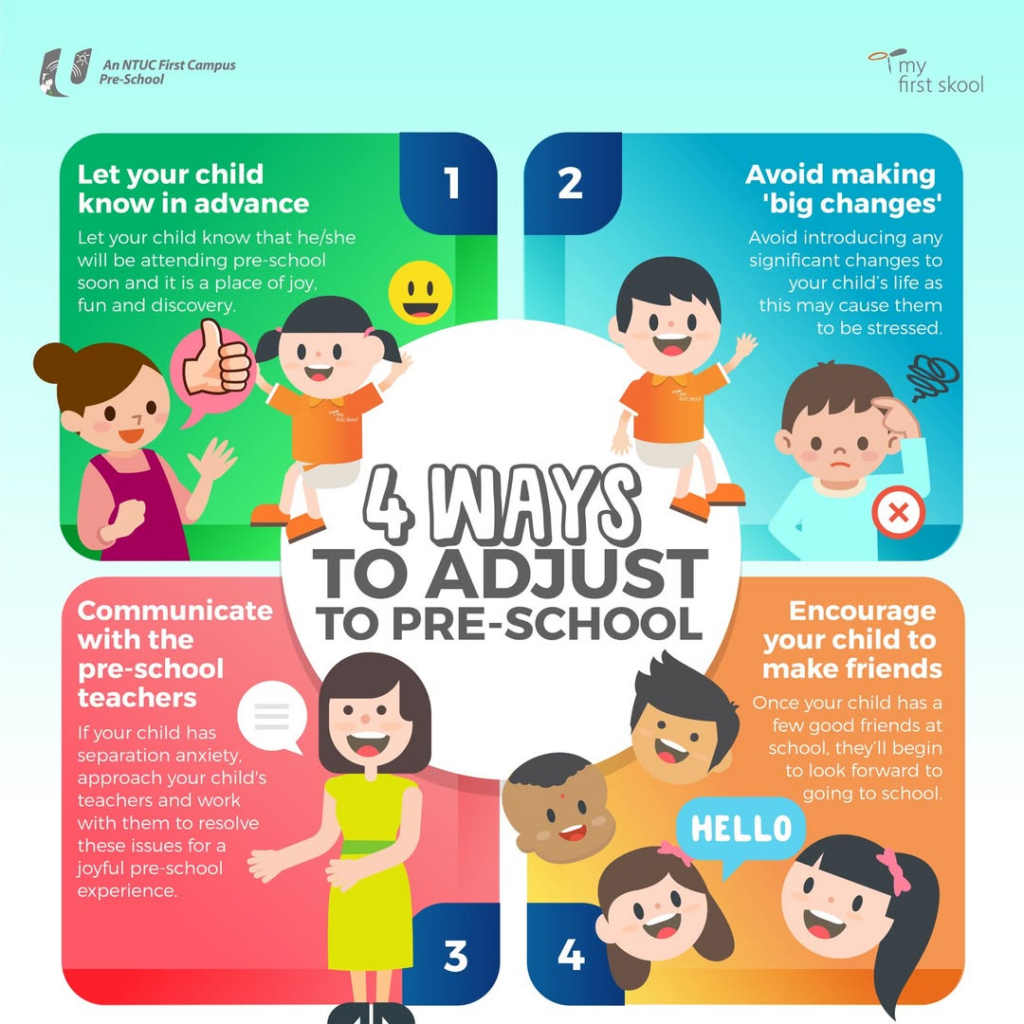
Unsure of what to do? These tips will help you transition your child from home to preschool in the most seamless and joyful way possible.
Be mentally prepared
Before preparing your child for the transition, you must first prepare yourself. If you’re feeling nervous, anxious or uncertain about preschool, your child can pick up on your non-verbal cues – and this will translate directly into how they feel about what’s coming up next.
Display confidence, positivity and happiness when talking about school with your child. Let them know that this is a place of joy, fun and discovery. Plus, they’ll get to play with new friends! Stay positive and upbeat, and your kid will sense your positive vibes and may even look forward to starting school.
Avoid making other “big changes”
During this transitional period, avoid introducing any other significant changes to your child’s life. This includes both positive changes (such as getting a pet) and possibly distressing ones (like making your child sleep in their own bed).
Apart from reducing all other stresses from your child’s life, you’re also avoiding introducing any reasons your child may have for wanting to stay home – such as to play with their new dog. This period should start at least a few months before your child starts preschool, and should extend until they’re well and fully integrated at school.
Communicate with the teacher
If your child has separation anxiety or any other issues integrating into preschool, it’s a good idea to talk to your child’s teacher about it.
Bear in mind that at good preschools, teachers are well-qualified and experienced early childhood educators who are equipped with the skills needed to help children through these issues – what they’ll need is your assistance and an open channel of communication, so they can work with you to resolve these issues and give your child a fantastic schooling experience.
Encourage your child to make friends
Once your child has a few good friends at school, they’ll begin looking forward to schooldays. But while naturally social children will have no trouble making friends, introverted children may need a little nudge and encouragement.
You can play a part in this process by encouraging your child to talk to their classmates. To play an even more proactive role in your child’s social development, you could set up play sessions with the children whom your child is closer with. This could also be an innovative way of expanding your own social circle and getting to know other parents with young children!
Choose a preschool with a curriculum that nurtures trust
Perhaps the most important step you can take to ensuring your child is well-adjusted to preschool life, is getting to know their preschool’s curriculum before signing up. By selecting a preschool with a curriculum that’s designed to nurture trust and relationship-building, you’re starting your child off with one of the biggest advantages they can have in their young lives.
At My First Skool, we incorporate a relationships-based curriculum (RBC) for children aged 0 to 3 years. The biggest difference between an RBC and “regular” curriculum is that we focus on nurturing strong and trusting relationships between children and teachers, as well as with their fellow classmates. This modern, empowering style of education builds children’s trust and confidence – enabling them to learn better, while developing good social skills.
Here’s how it works.
My First Skool’s relationships-based approach to teaching categorises your child’s development into three key areas:
Thinking and Communicating Self: Activities that promote curiosity and problem-solving senses in children, encouraging little ones to be confident in expressing themselves
Psychosocial Self: Lessons that nurture a sense of emotional resiliency and trust between children and teachers, as well as among themselves
Physical Self: Developing physically competent children who have good coordination and psychomotor abilities
Our relationships-based approach is built on the strong and nurturing relationship between a teacher and a child.
Research has shown that when a child feels both secure and engaged, a deeper level of learning begins. This is why our relationships-based curriculum works in nurturing happy, confident and resilient children who exude an “I can do it!” mentality – children who have not only adjusted to life in preschool, but who excel in these early years.
Children with an “I can do it!” attitude are confident, capable and resilient. They are also creative problem solvers – especially as they are more willing to try new things, and tend to find fulfilment in trying until they succeed.
In a nutshell
Preparing your child for preschool is a big deal, but the good news is that it isn’t that difficult to do – once you’ve done your homework. Be sure to start preparations at least a few months in advance, so both you and your child can transition to this exciting next phase of life smoothly – and with as few tantrums, screams and tears as possible!
The Importance of Discussing Current Affairs with Your Child
As parents, we often feel a responsibility to shield our child from global affairs. After all, why should a 4-year-old worry about matters outside of PAW Patrol and Peppa Pig? But your toddler is inquisitive, curious about the world around them, and always asking questions – and this natural wonderment is crucial for their cognitive…
As parents, we often feel a responsibility to shield our child from global affairs. After all, why should a 4-year-old worry about matters outside of PAW Patrol and Peppa Pig?
But your toddler is inquisitive, curious about the world around them, and always asking questions – and this natural wonderment is crucial for their cognitive development. Being an excellent parent means engaging your child, feeding their curiosity and keeping them informed of current affairs. (After all, they’re already wearing masks outside and to school – hiding them from the truth of why they’re doing so, could be doing more harm than good.)
The importance of discussing current affairs with preschool children
Children are naturally curious about their environment, so similarly to adults, developing an awareness of current issues exposes them to learning about their community and the world they live in. But unlike adults, the current affairs that children learn about is curated by parents and teachers – so they have to wade through the negativity that often floods social media and news platforms, but can still develop an excellent sense of social awareness.
Also, don’t worry if the term “current affairs” sounds complicated. The matters that your child will be discussing in preschool are likely to revolve around simple, everyday things that they notice – the reasons for wearing masks, the necessity of washing hands, why they occasionally spot abandoned shopping trolleys by the sidewalk, how come rubbish is sometimes on the ground (and not in a bin), why is a stranger feeding cats in the community, and the many sights and sounds that intrigue their young minds.
You can also leverage on trending issues to inform your child about events across the globe, and use these as opportunities for learning. For example, the Black Lives Matter movement gives all of us a valuable lesson on how diverse our world is, and how important it is for us to embrace our differences. (Fun fact: At My First Skool, we celebrate Racial Harmony Day on 21 July every year – children are encouraged to wear traditional costume to school and have fun as they appreciate and embrace the unique cultures around them.)
How My First Skool incorporates current affairs into our curriculum
At My First Skool, we believe in the importance of discussing current issues with children – expanding their minds and satisfying their insatiable curiosity, while developing their cognitive and communicative abilities.
In our learning environments, teachers bring up current issues that are relevant and age-appropriate for the children under their care. And they do so in a variety of ways, such as showing children photos from newspaper articles, discussing pictures and images from magazines, or talking about the new preschool routines that have been put in place to keep children safe (from germs and specifically, COVID-19).
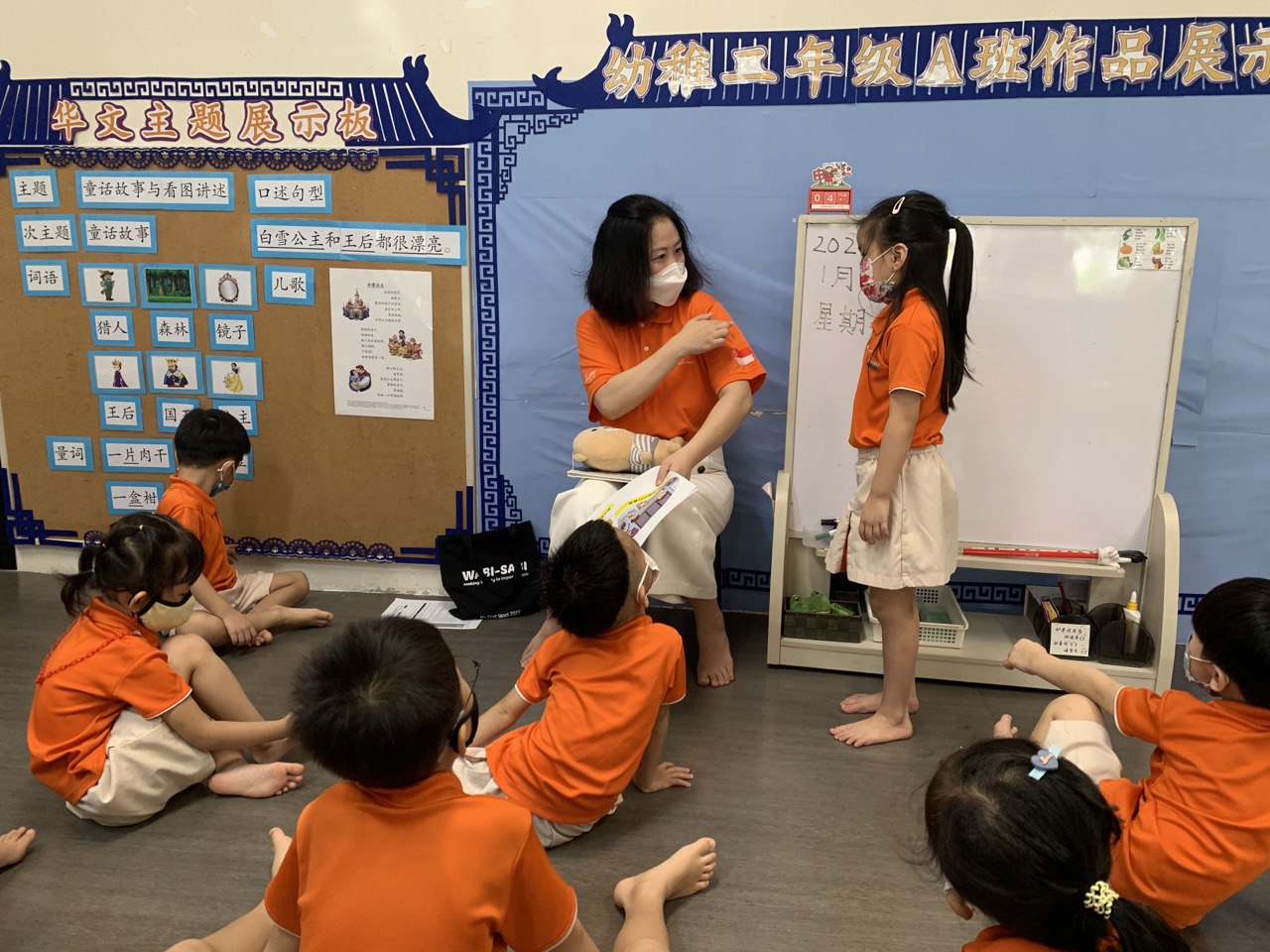
These sessions are scheduled into our curriculum and conducted in both English and Mandarin, so students get to improve their listening and speaking skills in both languages.
What can you do at home?
It’s important for parents to initiate these conversations with your child. Think of a few current topics that will interest your child, then use pictures and videos from newspapers, posters or their favourite YouTube videos to pique their interest.
Once your child is interested in a topic, they’ll naturally ask you questions about it. Respond to their queries with age-appropriate answers, and encourage them to observe other things around them as well. You can extend the conversation by reading books on these topics, then sharing fascinating insights with your child.
Keep these conversations light-hearted and fun, and let your child participate actively in the discussions too! (So these don’t become storytelling sessions.) Over time, you’ll find that your child will develop even deeper interests in the topics that fascinate them.
Give your child a heart start in life (and current affairs) at My First Skool
Expand your child’s curiosity and develop their cognitive abilities by enrolling them in a preschool that encourages and rewards inquisitiveness. Register your child at a My First Skool near you, or visit us virtually to find out more.
5 Ideas How You Can Make Learning Mother Tongue Fun for Your Child!
For children who speak mostly English at home, learning their mother tongue can be challenging. But what if you could make learning mother tongue language fun and exciting for your child? Here’s the good news – you can, thanks to these ideas that you can easily incorporate into your daily lives. #1 – The Power…
For children who speak mostly English at home, learning their mother tongue can be challenging. But what if you could make learning mother tongue language fun and exciting for your child? Here’s the good news – you can, thanks to these ideas that you can easily incorporate into your daily lives.
#1 – The Power of Music and Movement
In our classrooms, we see how children absolutely love music – and are happy to sing and dance along to their favourite songs, no matter what language the song is in. This is something you can do at home too, by playing child-friendly tunes in their mother tongue.
Keep a lookout for the songs in your child’s favourite shows too. These days, there’s a good chance that if a song is popular, it’ll also be available in multiple languages. If so, you can teach your child an exciting, “new” version of a song they love. Happy children are better learners and at My First Skool, this means everything to us.
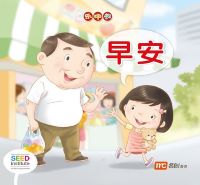
If you need some inspiration, one of the most popular tunes in our learning environments is our very own My First Skool 早安 song. There’s even a music video that your child can sing and dance along to!
#2 – Captivating Traditions and Festivals
Occasions like Chinese New Year, the Mid-Autumn Festival, Hari Raya and Deepavali (just to name a few) are fantastic opportunities to teach your child about their heritage. Make use of the fun, festival mood that these seasons bring, then relate these interesting activities to the unique culture, traditions, and language that’s related to the festival.
For example, during the Dragon Boat Festival, you can show your child videos of how exciting dragon boat races are- with the beating drums and interesting-looking boats- then explain the origins of the dragon boat or the reasons why each boat has its own drummer (to keep everyone in-sync with their paddling). These will allow your child to create fun and positive associations between Chinese traditions and the language!
#3 – Fabulous Food
At My First Skool, we believe that children learn best when they’re engaged and having fun. One great way you can do this, is by using food to introduce new words to your child.
For example, if your child loves fries, you could use the word “shu tiao” the next time your child has it. You can even take this a step further by asking them what fries are made from- use this opportunity to teach your child the word “potato” in their mother tongue.
This way, your child will learn and use these words naturally, and enjoy doing so!
#4 – Fun with Labels
Here’s an idea that adults will love too – especially if you enjoy decorating your home. Create fun and eye-catching labels in your mother tongue, then stick them on common household items like your dining table, fridge, laptop or TV.
Every now and then, casually include some of these words into your everyday language. For example, “Can you put this cup on the table please?” or ” Can you take an apple from the fridge? ” With frequent use (and especially as both sight and sound are involved), these words will soon become a part of you child’s regular vocabulary.
Just remember to keep this fun and not overly challenging, so your child will remain motivated to keep learning – and using – new words!
#5 – Storybook Adventures
Children love stories! For this reason, one of the best ways of improving their mother tongue vocabulary is by reading to them. You can make this activity more engaging by encouraging your child to ask questions along the way, or even guess what happens next in the story!
And because you’re reading the story in your child’s mother tongue, it’ll be natural to have these conversations in your mother tongue (rather than English). Need a recommendation of a good Chinese book to read to your child? We’re got 16 recommendations for you.
Watch a video of how our teachers engage with kids during storytelling sessions. You might pick up a few pointers on how to make your storytelling sessions more engaging!
Love for Language Matters at NTUC First Campus’ My First Skool
Language is an incredibly important part of your child’s growth, and being fluent in both English and their mother tongue, will give your child an amazing head start in life – while opening many opportunities for them in the years ahead.
And the best way for your child to learn their mother tongue, is to develop a genuine love for the language. We hope these ideas help you get your child started on the path towards developing a love for their mother tongue!
Interesting in giving your child joyful learning experiences, each and every day? Register your child at NTUC First Campus’ My First Skool now.
3 Ways to Nurture Your Child’s Interest in Chinese Traditions this Mid-Autumn Festival
The Mid-Autumn Festival is just around the corner. For most of us, this means intimate family gatherings and of course, mooncakes galore! This year, in addition to choosing between snow skin, lotus paste or durian-filled mooncakes, you can also use this season to get your child interested in Chinese traditions. After all, children learn best…
The Mid-Autumn Festival is just around the corner. For most of us, this means intimate family gatherings and of course, mooncakes galore! This year, in addition to choosing between snow skin, lotus paste or durian-filled mooncakes, you can also use this season to get your child interested in Chinese traditions.
After all, children learn best when they are immersed in situations, environments and cultures – and the Mid-Autumn Festival is a perfect opportunity for your child to get excited about Chinese tradition.
These are three fun ways you can pique your child’s interest in Chinese traditions during this festive occasion.
#1. Soak in the atmosphere of Chinatown
The Mid-Autumn Festival is also known as the Lantern Festival, and these eye-catching displays will likely be the first things that catch your child’s attention when you walk down the streets of Chinatown with them.
The origins of the Mid-Autumn Festival
While you are there, you can share fascinating (and festival-related) stories with your child, such as, “Why Chinese celebrate the Mid-Autumn Festival”. If you have not heard this one, here’s the story.
Explain to your child that there are four seasons in a year, and that mid-autumn marks the end of the autumn harvest. It is also the time of the year when the moon is at its brightest, and that is why it is often said that it’s possible to see a full moon during this special day.
Legends of the Mid-Autumn Festival
When it comes to intriguing mythical stories, Chinese folktales are unrivalled – and those related to the mid-autumn season are certainly worth sharing with your child.
Some of these popular tales include the story of Wu Gang and the cherry tree that couldn’t be cut down, the jade rabbit, and the most famous of them all, the touching love story of Chang’e and Hou Yi.
#2. Make old traditions new again!
Mooncakes and lanterns are two of the most prominent aspects of the Mid-Autumn Festival and are traditions your child will love – when you put a little twist on them!
“Cooking up” playdough mooncakes
Make some homemade playdough and ask your child to make their favourite mooncakes with it – whether it is green pandan mooncakes, yellow durian snow skin mooncakes, or traditional brown lotus paste mooncakes. All you need is colourful playdough!
To make things even more interesting, you can share a story of why people eat mooncakes during the mid-autumn festival. While there are several versions of this story, but here is the most well-known one.
Why people eat mooncakes during the Mid-Autumn Festival
According to historical references, mooncakes were not popular until the Yuan dynasty, which ended in 1368. At this time, the Han Chinese were being oppressed under Mongolian rule.
Zhu Yuanzhang, the leader of a Chinese rebellion at the time, orchestrated a “Mooncake uprising”. During this era, it was difficult for the rebel leader to communicate his plan with his supporters throughout the city. So, his troops gave out mooncakes under the pretence of celebrating the Mongol ruler.
In reality, the mooncakes contained instructions on how to kill the Mongols on the 15th day of the 8th month! The plan was successful, and Zhu eventually founded the Ming dynasty – and the eating mooncakes became a way to remember this significant victory.
Making paper lanterns
As referenced earlier, the Mid-Autumn Festival is also popularly recognised as the Lantern Festival – and what better way to get your child interested in the occasion, than by making beautiful paper lanterns?
Once you are done, light up your lantern and take a relaxing walk around the estate as a family – just like the old days! This activity can create lifelong memories for children and parents alike, while keeping this treasured tradition alive in our community.
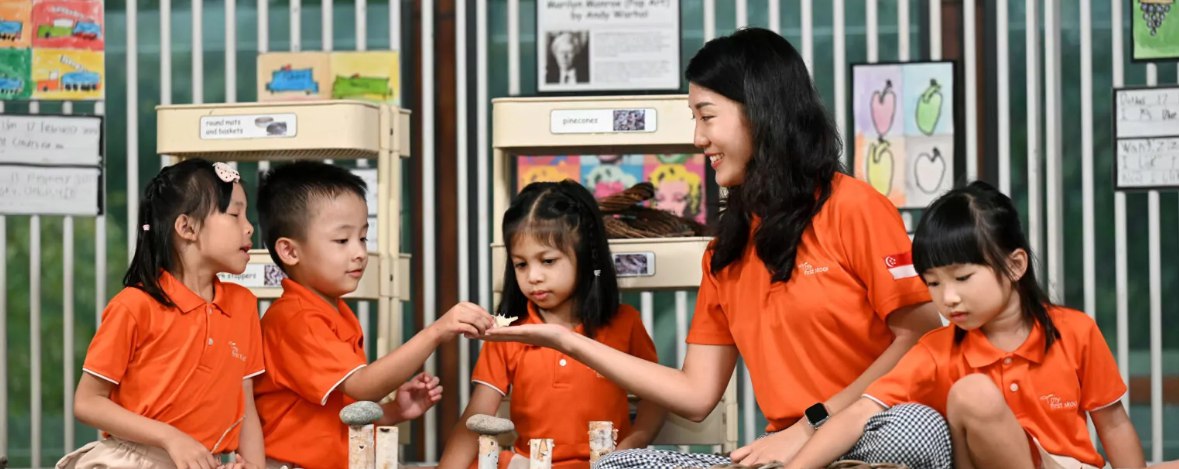
At My First Skool, one of the ways we encourage children to express their creativity is by making paper lanterns and decorating them. As a bonus, children also get to play with their lanterns and bring them home to show their parents!
Check out the lantern creations done by our children from My First Skool at Jurong Point Shopping Centre
#3. Observe the changing moon patterns
The Mid-Autumn Festival is synonymous with the moon, so ask your child to observe the moon each night and see how it changes in shape over time.
Get your child to document these shapes by drawing them onto a piece of paper or sketch pad, so they can compare these shapes as the days go by. You can also use this opportunity to teach your child the names of the various moon patterns in Chinese.
A bilingual preschool that appreciates culture and nurtures good values in children, My First Skool
At My First Skool, we believe that children learn best when they are highly engaged with interesting activities. Our bilingual curriculum incorporates events like the Mid-Autumn Festival to teach children about tradition, culture and values.
Keen on learning more about our bilingual curriculum and engaging learning environments? Visit a My First Skool near you today.
Using the Guidance Approach with Children (Part 1)
Challenges related to children’s behaviour occur from time to time. These are part of their growing up process, yet parents often find it challenging to deal with children’s misbehaviours. When children misbehave, parents feel compelled to correct them. This often involves ‘discipline’ which usually entails some form of punishment, scolding or nagging. Some parents can…
Challenges related to children’s behaviour occur from time to time. These are part of their growing up process, yet parents often find it challenging to deal with children’s misbehaviours. When children misbehave, parents feel compelled to correct them. This often involves ‘discipline’ which usually entails some form of punishment, scolding or nagging. Some parents can remain calm during such episodes, but more often not, parents become frustrated or angry.
Our earlier posts on Temper Tantrums and Jealousy amongst Children in the Family (Siblings) introduced the guidance approach, also known as positive guidance, to deal with children’s tantrums and jealousy. This approach moves away from the traditional notion of behaviour management and focuses on guiding children, rather than controlling them.
This topic will explain to parents why children misbehave and why the guidance approach may work when guiding children’s behaviours. Part I introduces the guidance approach and includes some pointers about managing misbehaviours.
What is the guidance approach?
Drawing on the work of many respected educators, particularly, Dr Louise Porter’s work (2006, 2016), the guidance approach aims to get children to choose to act in a thoughtful, responsible way so that their behaviour is appropriate and acceptable. Instead of using consequences to control children, the approach tries to identify both children’s and parents’ needs and work on the skills needed to help children behave well.
One of its key focus is to teach self-regulation to help children cope with emotional tensions, control their impulses and behaviours. When children internalise the guidance from significant adults to become self-regulated, they are then usually able to
follow rules and limits,
understand right from wrong, and
be considerate and cooperative.
This method is recommended and deemed to be effective for young children who share a warm and loving relationship with their parents.
Why do children misbehave?
Misbehaviours are often behavioural mistakes which indicate some form of inadequacy in children. Possible reasons that children misbehave include:
a lapse in managing their emotions, impulses or energy;
lack of means of expressing themselves when they feel unsafe, stressed, frustrated, etc. (e.g. being controlled by adults, adapting to a new caregiver);
their immaturity – they do not know how to act or react;
lack of awareness – they do not know the consequences of their actions;
Even when children do know how they should behave, their emotions or impulses often get the better of them. If their misbehaviours are due to the reasons above, parents should step in to help rather than subjecting them to harsh discipline.
For example, a child who snatches things from others needs an adult to help with communication and prosocial skills (i.e. to ask for the thing they want in a socially acceptable manner), and self-regulation skills (i.e. to control their urge to snatch and wait for their turn).
Children before the age of three rely heavily on parents and caregivers to help them control their emotions and behaviours. Self-regulation skills usually emerge around age three, and continue to develop throughout childhood and adolescence. It is therefore normal for misbehaviours to occur during childhood, as children still require repeated practice and external support from their parents and caregivers to facilitate the development of self-regulation.
Why punishment is discouraged?
Adults tend to control children through rewards and punishments (spanking, physical punishment, penalties, even timeouts). These are external controls that will work only when children are being supervised and often result in power struggles. There have been concerns that punishment may
encourage aggressive behaviour – children may think it is okay for them to follow their parents’ behaviours;
encourage dishonesty and selfishness – as children attempt to escape punishment by lying or blaming others;
may undermine parent-child relationship as children view their parents as an authority figure rather than an attachment figure.
While rewards may appear to be effective in motivating children, they actually work in a similar way as punishment to control children. For this reason, rewards must be carefully chosen and given so that they do not give rise to potential problems such as being reward-driven (rather than self-motivated), rising expectations and fear of failure.
What can parents do when children misbehave?
When dealing with misbehaviours, parents should respond with empathy, rather than anger, and focus on helping their children. In this way, they can calm down quickly and learn from experience.
It is also important for parents to consider their children’s capacities. Sometimes, parents may have to adjust their expectations or demands so that they are more manageable for their children.
Ways in which parents can help include:
acknowledging children’s emotions;
providing strategies that the child can use to calm themselves or deal with their negative emotions (e.g. drawing how they feel, hugging a soft toy, listening to their favourite songs, etc.);
teaching acceptable behaviours through modelling (i.e. show what you want them to do);
helping children to develop the skills they are lacking in, especially self-regulation;
teaching them to reflect on their behaviours and supporting them in making appropriate behavioural choices;
teaching them how to resolve the situation.
Concluding comments
As parents in the world of today are increasingly not in favour of the strict parenting style they experienced, it will be useful for them to learn about other methods. The guidance approach identifies a set of key strategies for guiding children’s behaviours without using punishment. Since its eventual objective is for children to behave in a considerate and acceptable way, the guidance approach is highly relevant in Asian societies where obedience is highly valued. In fact, it does much more, as it steers children to be responsible for their actions, including resolving problems and keeping themselves in check, even without adult supervision. After all, it is far more important that your child is motivated to do the right things and proactively regulate their own behaviours.
Strategies of the guidance approach will be discussed in Part II of the topic.
References
Porter, L. (2006). Children are people too: A parent’s guide to young children’s behaviour (4th ed.). Adelaide: East Street Publications.
Porter, L. (2016). Guiding Children’s Behaviour. In M. Ebbeck & M. Waniganayake (Eds.), Play in Early Childhood Education: Learning in Diverse Contexts (2nd ed., pp. 161-182). Sydney, NSW: Oxford University Press
All rights reserved. No part of this publication may be reproduced, stored in a retrieval system, or transmitted in any forms or by any means, electronic, mechanical, photocopying, recording or otherwise, without the prior permission of the Copyright holder.
With Singapore’s circuit breaker in full effect, parents are spending lots of time at home with their little ones. This presents a perfect opportunity for you to bond with your child, while helping them to learn, grow and develop. And to do so, you’ll want to create an ideal learning space at home. We’re here…
With Singapore’s circuit breaker in full effect, parents are spending lots of time at home with their little ones. This presents a perfect opportunity for you to bond with your child, while helping them to learn, grow and develop. And to do so, you’ll want to create an ideal learning space at home.
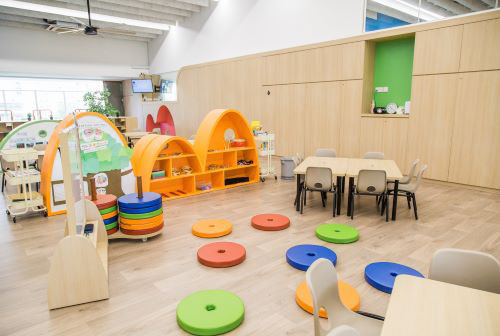
We’re here to help. At My First Skool, we’ve put a lot of research and thought into creating amazing learning environments that inspire children to grow to their fullest potential. Today, we’re letting you in on the secret ingredients we use to create our child-friendly learning environments – secrets you can easily apply to your home.
Creating an Amazing Learning Environment
These are the eight basic principles we observe when creating an effective learning environment.
1. Safety and Health
Because of their curious and active nature, children can get into all sorts of trouble. While each of our classrooms has several pairs of eyes looking after children, you’re likely to be the only one (or one of two people) looking out for the safety of your child at home.
To make your child’s learning space safer, make sure all equipment, materials and furniture in their learning space are safe for them to explore, touch and be curious about. Cover up sharp edges, avoid drawers and cupboards that could tip over if climbed on, and ensure everything in the space is durable and of good quality (i.e. made of non-toxic materials, will not break and become choking hazards, etc.)
2. Age Appropriateness
When designing a learning space for your child, it’s important to consider your child’s age. This will determine what their learning space should look like. At My First Skool, we are able to create different spaces and purchase equipment that’s ideal for children of various age groups – such as toddler-friendly furniture that is suitable for their size and height, as well as immersive spaces for older children that are used to showcase their artwork and science projects.
At home, you can set up cosy corners for your child to learn and play, using these age-appropriate ideas:
0 – 12 months: Place a playmat on the floor, and have some hanging mobiles and mirrors for self-exploration.
12 – 18 months: Fill this corner with a playmat and toys that help to develop sensory and motor skills as they are likely starting to toddle around at this age.
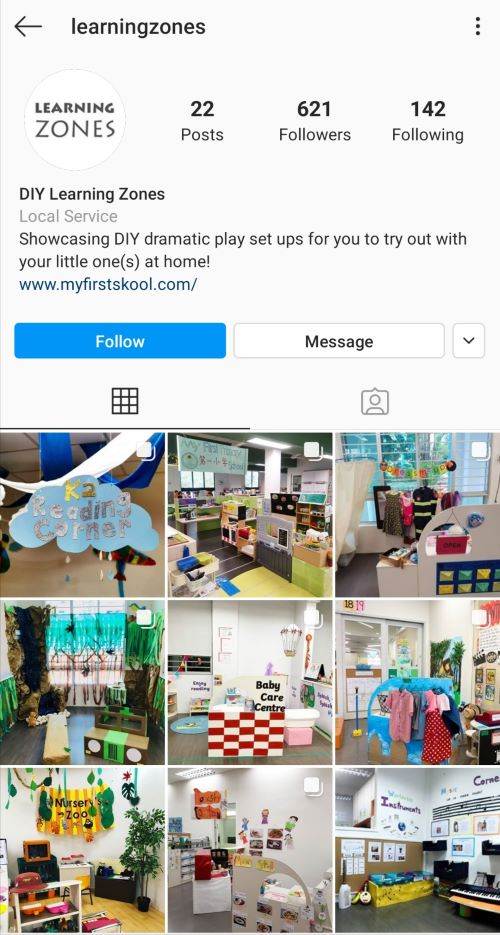
18 months – 3 years: Include toys that build life skills (like independence and decision making). Take reference from @learningzone Instagram to set up a dramatic learning corner for your child to engage in role-playing.
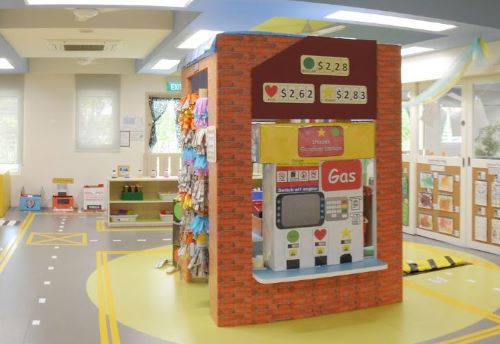
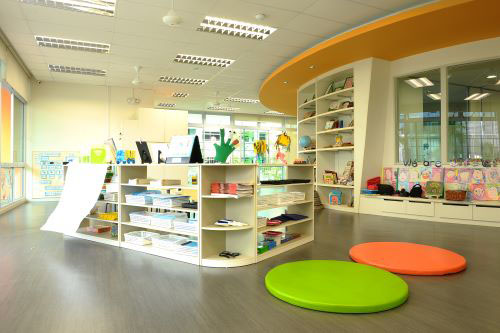
4 – 6 years: As the child grows and develop, it’s good to set up a reading corner with books as well as a learning corner that is more advanced with literacy and numeracy concepts like a grocery shop, canteen or gas station for example.
Remember, the key is to fill this space with age appropriate toys, activities and equipment (and not just any hand-me-downs or random toys).
3. Comfort and Softness
It’s essential that your child’s learning environment is clean, uncluttered and feels comfortable. This will allow your child to feel secure in the space and learn things more quickly.
In our schools, we achieve this by including “soft” elements, such as cloth drapes and picture frames, in our classrooms. These elements give children a sense of space, calmness and security. You can do the same for your home too – easily, quickly and affordably.
4. Competence and Autonomy
It’s important to develop competence and autonomy in children from a young age – and yes, even in pre-school, your child isn’t too young to pick up these lifelong skills. In our school environment, we designed pathways so children can move smoothly, quickly and independently from one area to the next so they can decide where they want to go and select the activities that they want to do. We also use specific walls to showcase children’s artwork as this helps in showcasing and celebrating their abilities.
How can you help your child develop competence and autonomy at home? Simple things like putting out varied materials or setting up different activity will go a long way as it allows them to choose the activity they want to participate in and how they want to use the materials provided (hint: a paintbrush does not have to be used for just painting! Your child could choose to use it as a pointer to mimic their teachers). You can decorate the area with some of their completed work too so they will feel proud and happy.
5. Order and Consistency
Children learn best when they’re focused. This means that their learning environment should have a certain level of order and consistency. For example, My First Skool classrooms are organised to model consistency and predictability, so our children know what to expect and enjoy sense of belonging as well as security.
At home, try to keep your child’s learning space to one standard area so he/she knows that the area belongs to him/her and is used for joyful learning.
6. Aesthetics
How does your child’s designated learning space look? Is it an enclosed area with nothing but four walls and a lightbulb illuminating the area? While learning can take place anywhere, an optimal learning environment is one with lots of sunlight, good ventilation and perhaps even a few plants to add a feeling of freshness.
Need some ideas? Take reference from My First Skool classrooms, which are designed to allow plenty of natural light and breeze in. Some of our classrooms also have potted plants, pets, paintings, 3D sculptures and artwork to ignite creative little minds.
7. Privacy and Social Space
Whether you’re planning on turning your entire home into a learning environment, or transforming a quaint study area for this purpose, you’ll need to also consider your child’s need for “alone time”. Give your child a comfortable corner they can use when they’d like a little privacy to rest or be by themselves.
How is this implemented at My First Skool? Our learning spaces have cosy nooks and corners that give children the alone time they need, allowing them the opportunity to spend time resting or reading a book.
8. Adult Dimension
Of course, your home is more than a learning space for your child. First and foremost, it’s your humble abode, and a place for you to rest, work, play and spend family time in. This “adult dimension” is a reminder to keep yourselves (as parents) in mind, when designing your child’s learning space.
In our schools, our teachers have designated work spaces within classrooms. These areas allow teachers to work, monitor children during nap times, hold meetings, as well as relax and bond with one another.
Experience an Ideal Learning Environment in School!
See these eight concepts brought to life by taking a virtual tour of a My First Skool learning environment. Discover what makes our learning spaces special and ideal for children, then learn how you can more effectively implement these concepts into your home – and help your child fulfil their true potential!
8 Questions to Ask When Choosing The Best Preschool in Singapore
Since preschool education forms the foundation years for a child, selecting a school can either be exciting for some, and daunting for others. Read on to find out the eight questions you can ask to make your decision-making process easier. What is the school’s educational philosophy? When shortlisting a preschool, one of the first questions you need…
Since preschool education forms the foundation years for a child, selecting a school can either be exciting for some, and daunting for others. Read on to find out the eight questions you can ask to make your decision-making process easier.
What is the school’s educational philosophy?
When shortlisting a preschool, one of the first questions you need to ask would be its educational philosophy, as this determines its teaching methods and curriculum.
An academic curriculum would mean a highly structured approach that focuses heavily on completing worksheets and going by the textbook. A play-based curriculum, on the other hand, is based on the belief that children learn best through play, and gives more time for exploration, open-ended and imaginative activities. This approach allows children to learn how to be independent, have more opportunities to interact more with one another, and pick up important social and emotional skills along the way. Facilitated play also encourages children to reason, reflect and use creative thinking for problem solving.
How qualified are your preschool teachers?
As teachers in preschool in Singapore must hold at least a certificate or diploma in early childhood education, depending on the age group they teach, experience becomes the next important factor to consider. Enquire about their average number of years of experience, as well as length of service. A low turnover rate would give you the assurance that they are committed to the school, and in turn, dedicated to provide your child with the best education and care within their ability. Your child would also not have to keep adapting to new teachers, which could be disruptive and affect their progress.
Also, find out how the school ensures continual development of its teaching staff and keep them updated on the latest teaching methods. Generally speaking, the bigger the school’s network, the more training resources it has, and there will be more opportunities for peer-to-peer sharing too.
Lastly, awards won are also a good indication. The more recognised ones include the Singapore Pre-School Accreditation Framework (SPARK) Award., the ECDA Award for Excellence in Early Childhood Development and the Outstanding Pre-School Chinese Teacher award.
What is the average adult-child ratio per class?
When evaluating a preschool, take note of the adult-child ratio per class. The higher the ratio, the more individual attention and care your child will receive. According to ECDA, the younger the child, the more attention required. For young preschoolers, the ratio should range at least between 1:8 to 1:12. Some schools include teaching assistants in the ratio, so do take note.
What is the preschool’s approach to conflict resolution and discipline?
Since they are at a very young age, and are relatively new to peer interaction on a regular basis at school, it is inevitable that children starting preschool will have conflicts with their classmates or display inappropriate or bad behaviour by “normal” social standards. When this happens, how would the school manage it? Are students given a “time out” or disciplined in some other way when they misbehave? Are children encouraged to resolve conflicts independently, or do teachers help facilitate a resolution?
Chances are, you would already have a preferred method of disciplining your child. So it is important that the school shares the same values and takes disciplinary action that is in line with your approach.
Lastly, you would want to know when you will be notified (is it for every incident, or only when the situation is considered serious by the school’s standard), and in what way.
How do I stay updated on my child’s progress and school happenings?
When choosing a preschool, find out if there are specific goals set for your child, and how that is determined. Are you expected to be highly involved when it comes to setting and achieving these learning goals? Depending on the school, parental involvement will vary. For example, when it comes to activities such as field trips and celebrations, will you be able to join in so you can be more involved in your child’s development? Are there take-home parent-child activities from the school?
The school should regularly track and report your child’s progress, and highlight areas of concern, if any, in a timely manner. Find out how such information, in addition to school happenings, will be communicated to you, and at what frequency. Will you only get updates during parent-teacher conferences, or will there be a newsletter or portal for you to stay apprised at all times?
More importantly, what is your expectation of the teachers on your child’s learning journey? Do you need them to help with areas such as toilet training and weaning?
How does the preschool ensure a safe environment for my child?
Given the amount of time spent at the preschool each day, you need to be assured that your child is in good hands, in a safe and clean environment conducive for learning and growth.
Take note of the security measures that the preschool has in place. Does the school maintain a list of people authorised to pick up each child? What will the school do if someone not in the authorised list comes to pick up the child? Is emergency equipment such as first-aid kits and fire extinguishers within easy reach during times of need?
During the entire course of the day at school, is there a system in place to ensure proper supervision, so that no child is left unattended at any time? Is the school’s environment, including its furniture, play materials and classroom setups, also designed with the children’s safety in mind?
On the health and hygiene front, find out about the precautionary measures in place to minimise risk of diseases, and the follow-up action plan should there be an outbreak.
Precautionary measures could include daily temperature checks and regular disinfection of the school facilities. Children should also be taught to practise good hygiene such as washing their hands before meals, and after using the bathroom.
Another scenario would be if your child falls ill or is injured. What is the first course of action taken by the school – will you be contacted to fetch your child immediately, or will there be a visit made to the doctor first? Having staff members who are trained in CPR and administering first aid would be a plus point.
Is food provided in the preschool? If so, are the meals balanced and nutritious?
More often than not, children form their food preferences during their preschool years. So the types of food served in school would have a big impact on their dietary habits, and it is also how children learn to be open to more types of food, such as vegetables.
Enquire if meals and snacks will be provided, and what the food options are – are they nutritious and well-balanced? Is there a wide variety of food, or is the menu repeated weekly? How many meals will be served daily, and in what portion sizes?
Food can be prepared either by in-house cooks, or caterers. Having in-house cooks would be a plus point, as there’s better control of hygiene and nutritional value of the meal – less salt, less sugar etc.
Find out also if the school is accredited under the Health Promotion Board’s Healthy Meals in Preschools Programme (HMPP), which ensures the provision of healthier meals and encourages schools to educate children on eating right.
Lastly, if your child has allergy issues or special dietary requirements, do ensure that the school can cater to that. If it can’t, are you prepared to pack food for your child, and would the school allow it?
Can I get references from other parents?
In the course of your preschool shortlisting, you would have most likely done extensive research online. Before you make the final selection, check with the schools if you can talk to other parents whose children are currently enrolled there. Because what better way to get unbiased insights than straight from the horse’s mouth?
Find out what they like and dislike most about the school, and how their child feels about going to school there. Use the opportunity to allay any fears or clear doubts before you make the final decision.






.jpg)