Mar 13, 2024


Education is revered in Singapore, and parents are known for their proactive approach to preparing their children for primary school. From selecting the best preschool to signing up for enrichment classes, Singaporean parents prioritise early preparation to ensure their child’s smooth transition into primary school. But what exactly drives this fervent dedication to early primary…
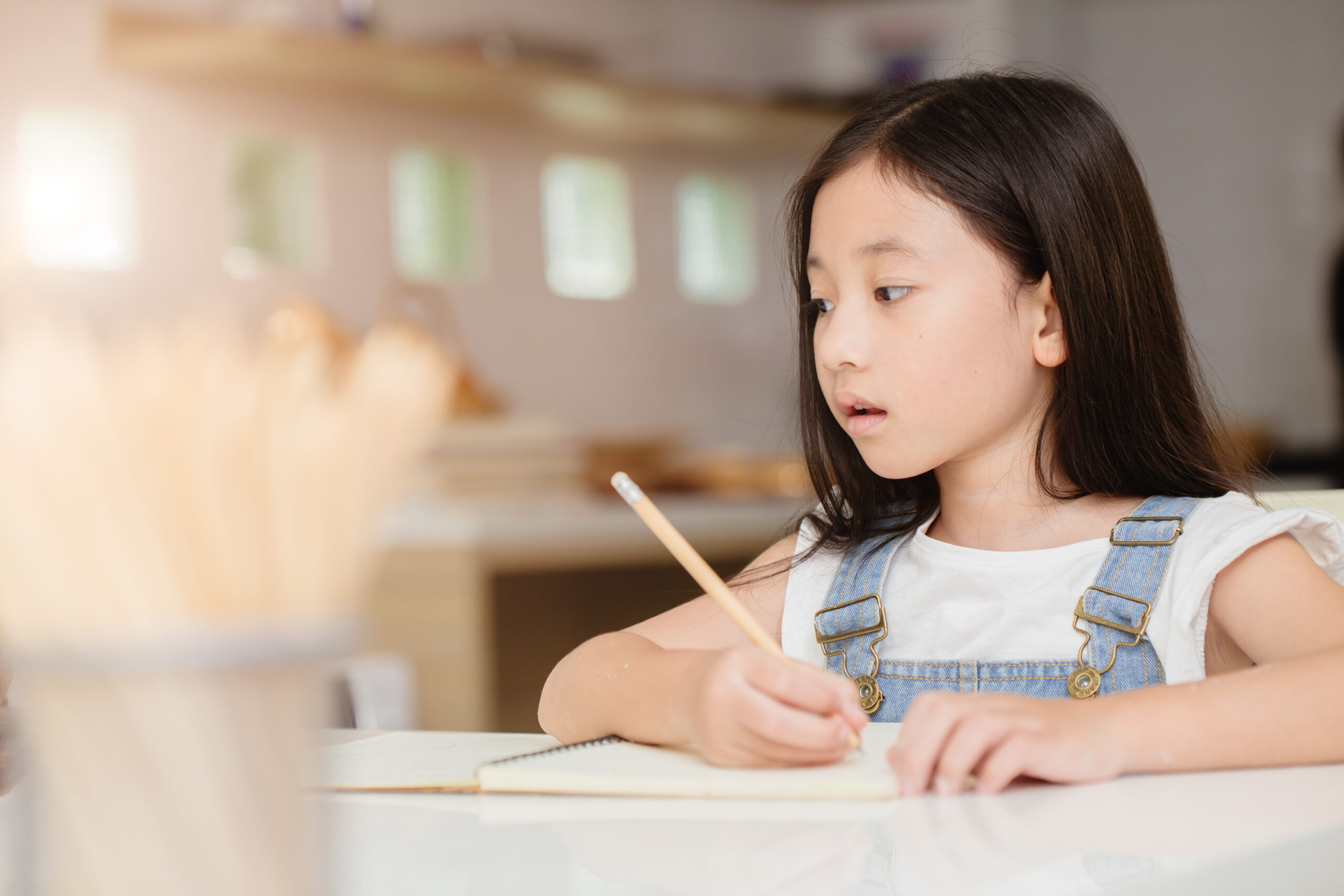
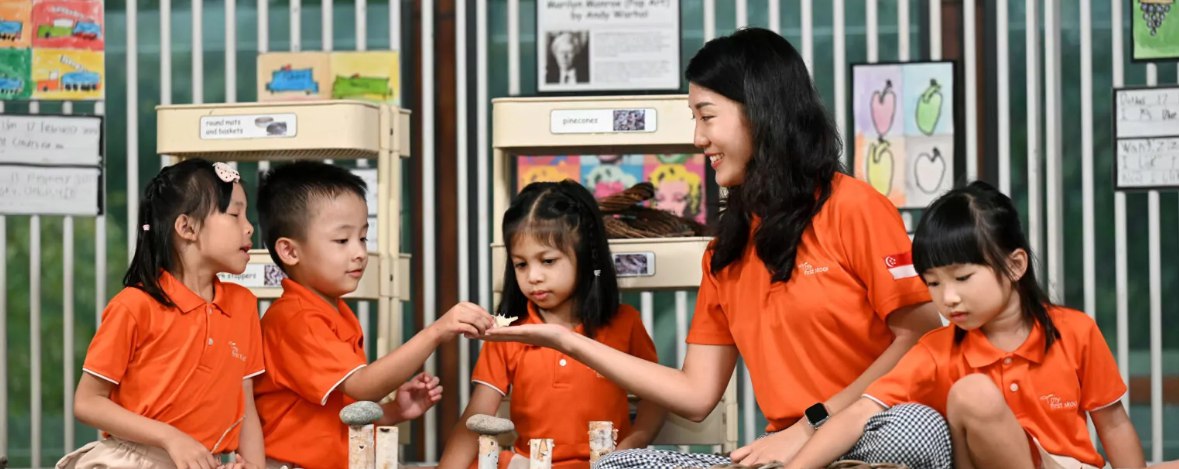
Education is revered in Singapore, and parents are known for their proactive approach to preparing their children for primary school.
From selecting the best preschool to signing up for enrichment classes, Singaporean parents prioritise early preparation to ensure their child’s smooth transition into primary school. But what exactly drives this fervent dedication to early primary school readiness?
In this article, we discuss why early preparation is essential for primary school readiness and how it is instrumental in primary school success.
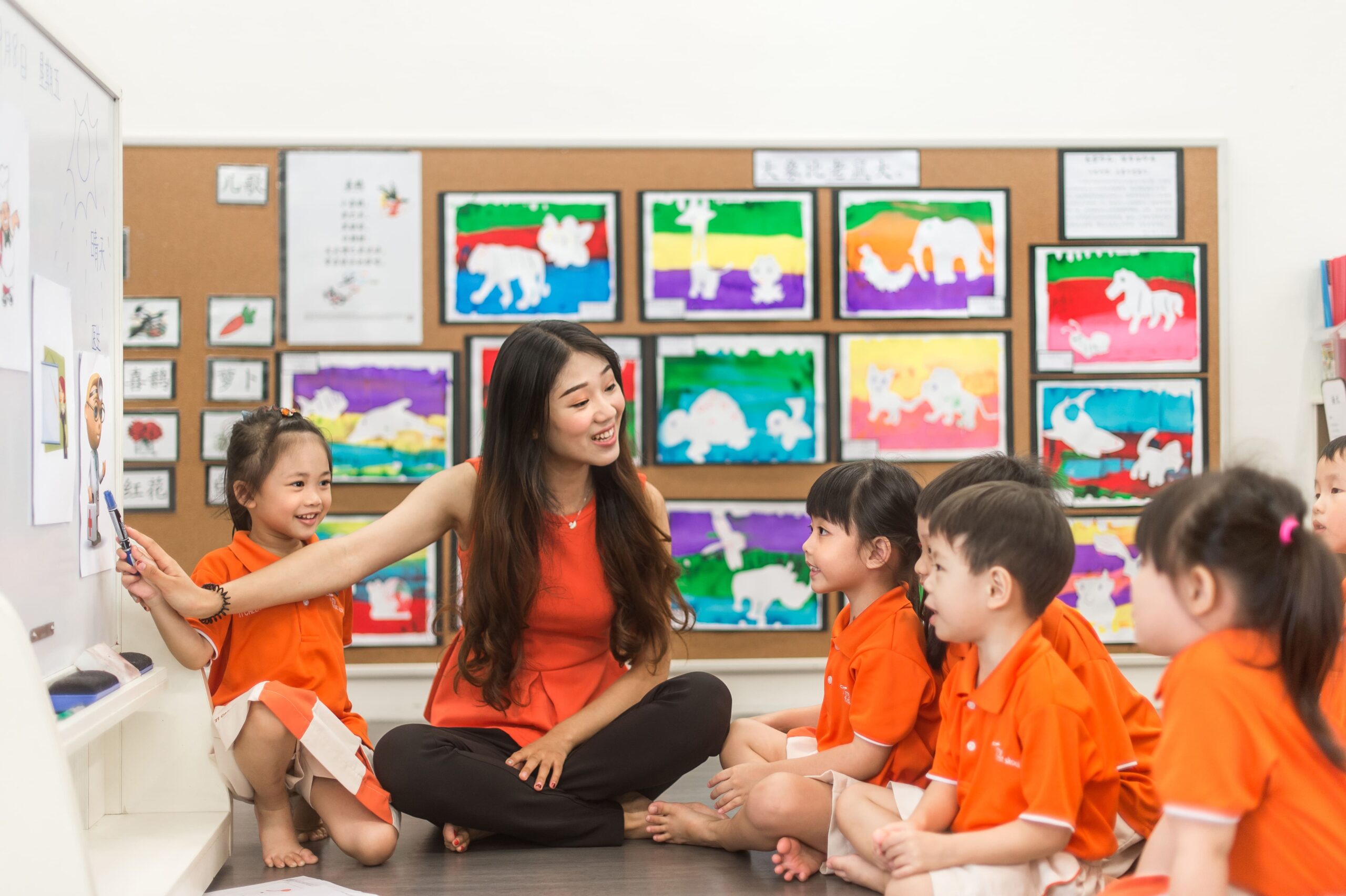
Early exposure to academic concepts is key to primary school readiness. It provides children with a solid foundation in literacy, numeracy, science, and critical thinking. By building these foundational skills before entering primary school, children are better prepared to engage with the curriculum and succeed in various subject areas.
Starting academic learning early also helps prevent learning gaps from forming. Children who enter primary school with a strong foundation in academic skills are less likely to struggle with basic concepts and are better equipped to build upon their knowledge as they progress through the curriculum.
Language development is a critical element of primary school readiness. The ability to read is paramount in primary school learning. Children must understand written instructions, comprehend texts, and extract information from various sources.
During the early years, progress in language development equips children with a broader vocabulary, enhances their comprehension skills, and elevates their reading proficiency. This sets the stage for their achievements in subjects emphasising literacy.
Primary school introduces children to a new level of social interaction. Early preparation provides opportunities for your child to engage with peers, teachers, and other adults in a structured setting.
Children learn to share, take turns, and cooperate through social interactions in preschool or playdates, crucial for successful integration into the primary school community.
Developing independence is crucial for primary school readiness as it equips children with the skills and mindset needed to navigate the challenges and responsibilities of school life.
In primary school, children are expected to take responsibility for basic self-care tasks such as dressing, managing belongings, and following personal hygiene routines. Developing independence during the early years prepares children to handle these tasks confidently, promoting self-reliance and reducing reliance on adult assistance.
Primary school involves following teacher instructions, completing tasks independently, and managing time effectively. Children who learn independence will be able to listen attentively, follow directions, and carry out tasks autonomously, setting them up for academic success and good classroom behaviour.
Cognitive skills form the basis for academic achievement and primary school readiness. It lays the foundation for academic learning by shaping children’s ability to understand and interact with the world around them.
Activities that stimulate cognitive development, such as puzzles, games, and hands-on exploration, help children enhance their attention span, memory, and problem-solving, which are necessary for success in primary school.
Furthermore, primary school requires children to focus and concentrate for extended periods, complete tasks, and participate in group activities. Early cognitive development helps children improve their attention span and concentration skills, enabling them to stay engaged and focused in the classroom environment.
Early preparation creates a positive association with learning by making it fun, engaging, and rewarding. Children who approach learning with curiosity and excitement are more likely to be active in classroom discussions and learning activities and take ownership of their education. This motivation promotes a love for learning and drives academic achievement in primary school.
Children may also find primary school learning more challenging. However, those with a positive mindset will view setbacks as learning opportunities rather than being discouraged. This resilience allows them to overcome obstacles, persist in their efforts, and ultimately succeed in mastering new skills and concepts in primary school.
Parents who proactively prepare their children early for primary school do so for good reason. Investing in early preparation equips children with the skills and mindset needed for primary school readiness, instils a lifelong love of learning, and builds resilience in the face of challenges.
Ultimately, the effort and dedication put into early preparation pave the way for a fulfilling educational journey and a bright future for their children.
At My First Skool, we understand the importance of primary school readiness. In our 2023 Parents Satisfaction Survey, 90% of parents are satisfied with our curriculum, which is designed to prepare children to transition to primary school and equip them with the skills and confidence they need to thrive academically and socially.
How do Children feel on the first day of Preschool? The first day of preschool is a milestone for children and parents. As parents, it’s natural to feel excitement and worry as you prepare to send your little one to school. Understanding the emotions your child might experience can help you better support them through…

The first day of preschool is a milestone for children and parents. As parents, it’s natural to feel excitement and worry as you prepare to send your little one to school. Understanding the emotions your child might experience can help you better support them through this crucial transition.
One of the most prevalent emotions children feel on the first day of preschool is excitement. The prospect of new friends, fun activities, and the opportunity to explore a new environment can be exhilarating for young minds.
Many children look forward to the adventure that awaits them, and this excitement can set a positive tone for their overall experience.
Curiosity often accompanies excitement on the first day of preschool. Children are naturally curious, and the new setting provides them with many things to explore. From colourful classrooms to intriguing toys, a world of discovery awaits them.
Encouraging their curiosity helps them adapt and engage with their surroundings more easily.
Despite the positive aspects, it’s common for children to feel a level of anxiety or nervousness on their first day of preschool. The unfamiliar setting, new faces, and separation from parents can trigger a sense of unease.
Parents must acknowledge and address these feelings, providing reassurance and support as their child navigates through this initial apprehension.
Preschool represents a significant step into the unknown for young children. The fear of not knowing what to expect can be daunting.
Parents can ease this fear by discussing what to anticipate, introducing them to preschool, and reinforcing positive aspects of the experience.
Apprehension may arise from various factors, such as concerns about fitting in, following rules, or adjusting to a new routine. Acknowledging your child’s apprehension and addressing any specific concerns can help alleviate their worries.
It’s essential to create an open line of communication to understand their perspective and provide guidance accordingly.
The first day of preschool often marks a child’s initial steps toward independence. While some children eagerly embrace this newfound autonomy, others may feel overwhelmed.
Encouraging independence at home through small tasks and responsibilities can help prepare your child for a more structured environment.
As a parent, you can proactively ease your child’s transition to preschool:
The first day of preschool is a momentous occasion filled with a spectrum of emotions for both children and parents. Understanding and addressing these feelings and proactive preparation can ensure a smooth transition into preschool. With the right support and a positive environment, your child’s first day can be the beginning of a fulfilling preschool education.
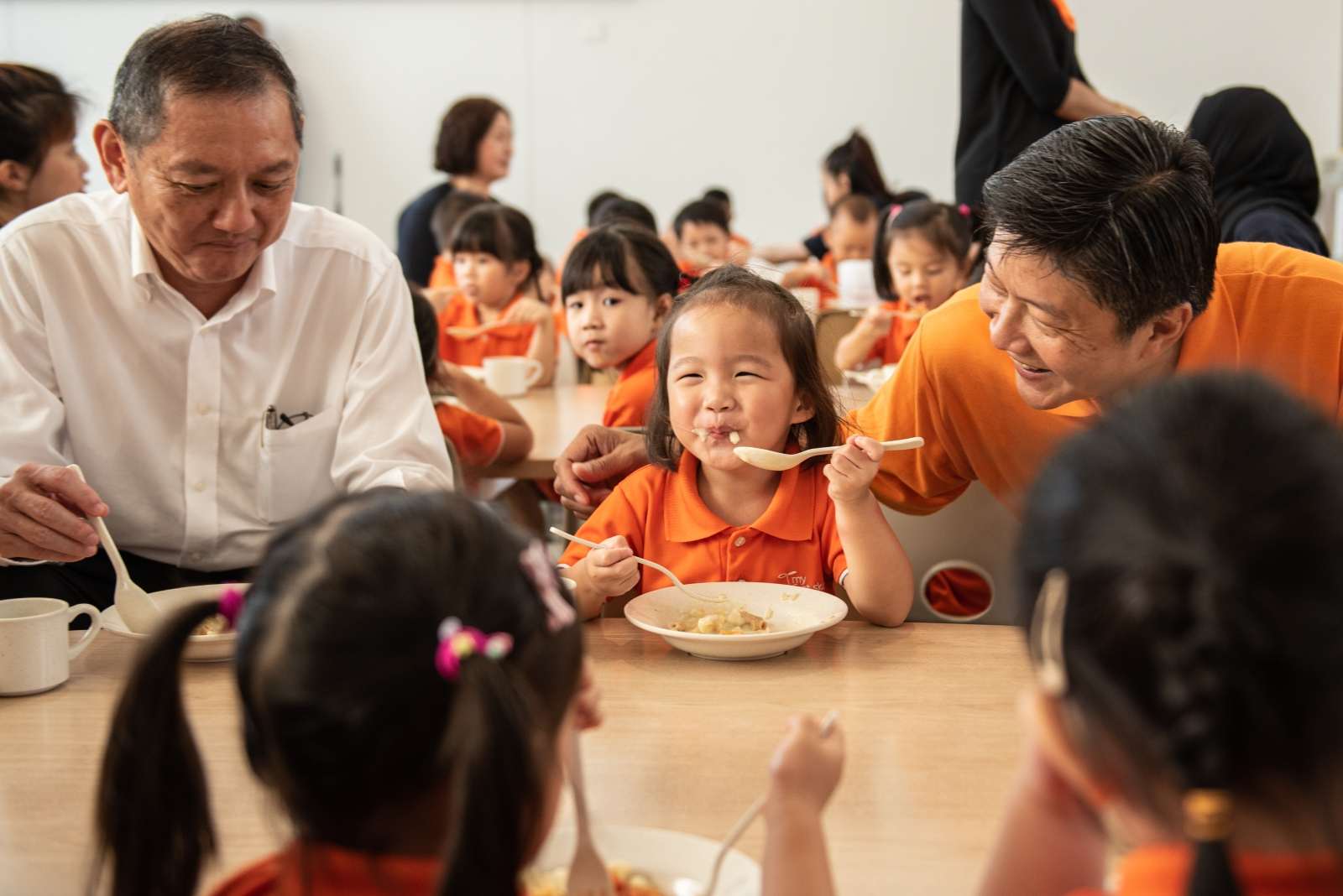
Choosing the right preschool is a serious decision for parents. My First Skool understands the significance of early childhood education and is committed to providing a nurturing environment for your child’s growth.
With experienced educators in Singapore, an engaging curriculum, and a focus on holistic development, My First Skool aims to make the first day of preschool a positive and enriching experience for children and parents. Register to learn more about our curriculum.
Can’t see Preschools on the ECDA website anymore? Don’t fret Parents of preschool-age children in Singapore might be wondering why they can’t find a list of ECDA-accredited preschools on the official Early Childhood Development Agency (ECDA) website anymore. This post will help you navigate recent changes and register for a preschool on a new platform….

Parents of preschool-age children in Singapore might be wondering why they can’t find a list of ECDA-accredited preschools on the official Early Childhood Development Agency (ECDA) website anymore.
This post will help you navigate recent changes and register for a preschool on a new platform. Stay engaged until the end for a quicker registration method that is a more seamless experience.
The preschool search service on the Preschool Search Portal (PSP) was discontinued on January 15, 2024. Parents can now use the Life SG mobile app as a one-stop portal for accessing government services, including preschool searches.
The change of platform might take some getting used to but you don’t have to worry about your previous preschool applications being lost. If you have previously indicated an interest in preschools, you can retrieve your existing records and link them to your new account. Follow these steps to retrieve your records.
Your queue position in the centres you previously indicated interest in remains and will not be impacted.
Here’s how you can register interest in a preschool on Life SG:
Registering directly to My First Skool is a seamless process. Simply visit www.myfirstskool.com/register/ to submit your interest in your preferred preschool centre. It only takes minutes and our friendly enrollment advisors will contact you to guide you through the registration process. You can ask us any questions and we will be happy to answer them.
Registering directly with My First Skool offers several benefits such as:
Seamless experience: Our website provides updated vacancy information based on location and programme level so parents can easily filter and choose centres based on features and preferred locations. Parents are also able to have a preview of the centre environment on our website before deciding to register.
Personalised attention: Our friendly enrolment advisors will be able to guide you through the enrolment process when you directly register at My First Skool’s website. Parents will be able to ask questions, discuss their child’s needs, and receive personalised guidance throughout the enrollment process.
In-depth information: You can learn more about My First Skool’s programmes, curriculum, and facilities when you connect with us directly. This provides you with a better understanding of our teaching approach and curriculum, helping you anticipate what to expect when enrolling your child with us.
We have designed our online registration process to ensure it is user-friendly for parents. Rest assured, we are committed to assisting parents with childcare needs and securing a spot in My First Skool centre.
Preschool is a magical time in a child’s life when they are like sponges, absorbing knowledge and experiences rapidly. It’s also a time when building solid foundations for future learning and personal development is crucial. In this article, we will shed light on the concept of relationship-first education in Singapore, what it entails, and why…
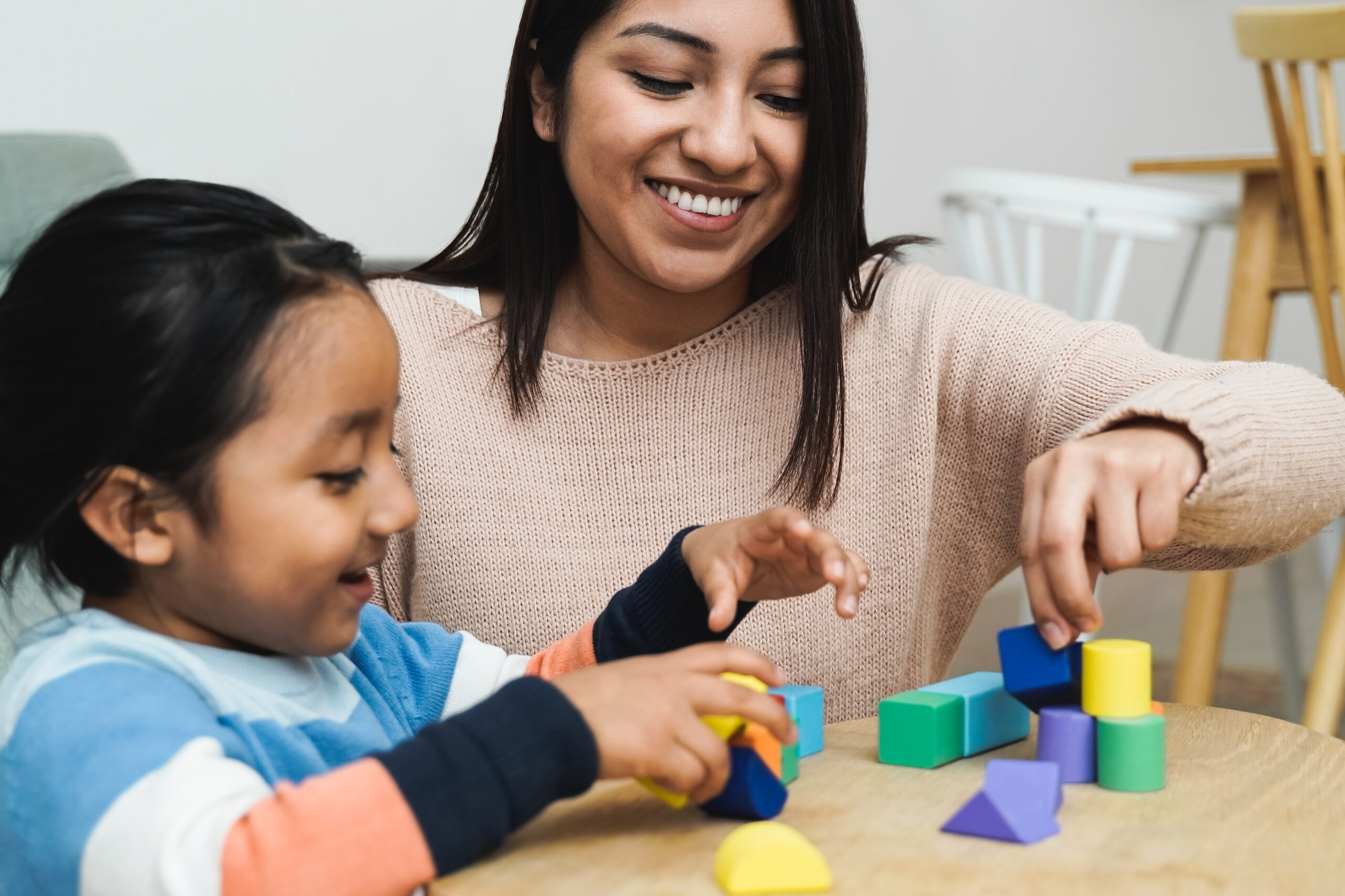
Preschool is a magical time in a child’s life when they are like sponges, absorbing knowledge and experiences rapidly. It’s also a time when building solid foundations for future learning and personal development is crucial.
In this article, we will shed light on the concept of relationship-first education in Singapore, what it entails, and why it’s essential for a child’s early learning journey.
Relationships-first education is an approach to preschool education that prioritises the establishment and nurturing of meaningful relationships as the foundation of a child’s learning experience.
It goes beyond traditional academic focus and emphasises the importance of emotional and social development. Here’s a closer look at some critical aspects of this approach.
One of the central tenets of relationship-first education is the focus on emotional intelligence. Emotional intelligence involves understanding and managing emotions and relating to others with empathy and sensitivity.
In a preschool setting, this means creating an environment where children can express their feelings, recognise emotions in themselves and others, and develop the skills to navigate social interactions effectively.
Through close relationships with both teachers and peers, children have the opportunity to practise these essential emotional skills. Teachers attuned to their students’ emotional needs can provide guidance and support when children face emotional challenges, helping them develop resilience and self-regulation.
As children learn to understand and express their feelings, they become better equipped to navigate the complexities of human relationships, which is a lifelong skill.
While relationship-first education emphasises social and emotional development, it doesn’t neglect cognitive development. It recognises that strong emotional bonds and a secure attachment to caregivers provide a solid foundation for mental growth. When children feel safe, loved, and supported, they are more receptive to learning.
Preschools in Singapore that prioritise relationships-first education implement play-based learning and exploration. These activities enhance cognitive skills like problem-solving, creativity, and critical thinking while doing so within the context of positive relationships.
For example, children engaged in group play and projects learn cooperation, negotiation, and communication, all essential cognitive and social skills.
Confidence and self-esteem are critical components of a child’s self-concept. Relationships-first preschool education is pivotal in building a child’s confidence by recognising and celebrating their individuality. When teachers and peers appreciate and support a child’s efforts, it fosters a sense of self-worth and a belief in their capabilities.
A nurturing educational environment encouraging children to take risks, make choices, and learn from their experiences can boost their self-esteem. It helps them develop a growth mindset, where they see challenges as opportunities for growth rather than threats to their self-worth.
Children are naturally curious, and relationships-first education harnesses that curiosity as a powerful learning driver. By fostering a preschool environment where children feel secure and encouraged to explore, ask questions, and make discoveries, this approach kindles a lifelong love for learning.
Teachers play a critical role in nurturing curiosity by responding to children’s interests and inquiries. When children feel their questions are valued and their exploration is supported, they become more engaged and motivated. The emphasis is on the learning process rather than just the results.
In relationship-first education, parents are vital partners in a child’s educational journey. Open and consistent communication between preschool teachers and parents fosters a collaborative approach to a child’s development. This partnership can include sharing insights on a child’s personality, preferences, and strengths, as well as discussing strategies for addressing any challenges.
When parents take a proactive role in their learning and feel connected with the preschool, it creates a holistic support system for the child. This partnership ensures that the child’s emotional and educational needs are consistently met, both at school and at home.
So, how is relationship-first education practically implemented in a preschool setting? Here are some strategies and practices that My First Skool employs to nurture relationships in education.
Smaller class sizes allow more space for personalised attention and stronger teacher-child relationships. With fewer students to attend to, our teachers can better understand each child’s unique needs and tailor their approach accordingly.
We train our teachers to be responsive educators. Teachers who are attuned to children’s emotions and needs can better support them by actively listening, showing empathy, and building trust and close bonds.
Play is a child’s natural way of learning, and it is through play that they form relationships with their peers. My First Skool adopts play-based learning using the PETAL pedagogy, empowering the child to Play, Explore, Think and Apply learning to collaborate, negotiate, and develop their social and cognitive skills.
Providing emotional support for children is a crucial aspect of relationships-first education. Our teachers are trained to offer comfort and reassurance when children are upset, helping them process their emotions and develop emotional resilience.
Recognising and celebrating each child’s unique qualities and cultural backgrounds creates an inclusive and accepting environment. Being inclusive fosters respect and understanding among peers and contributes to positive relationships. At My First Skool, we are always committed to celebrating diversity.
Relationships-first education places relationships at the heart of a child’s preschool learning journey in Singapore. By focusing on emotional intelligence, cognitive development, self-esteem, curiosity, and the partnership between parents and teachers, this approach sets the stage for successful learning and healthy social interactions.
Besides preparing children for primary school, My First Skool creates a supportive and nurturing environment where they can flourish. Children will know they are valued for who they are and encouraged to explore the world around them.
Get your child a head start! Learn more about us and our curriculum, get in touch with us today!
Children from My First Skool at Kampung Admiralty participated in an intergenerational coding and robotics session along with seniors from the NTUC Health Active Ageing Centre (Care) (Kampung Admiralty) on 6 December. The elderly guided the children in building robots using blocks and coding the robots to perform tasks. In an interview with CNA, Kaulder…
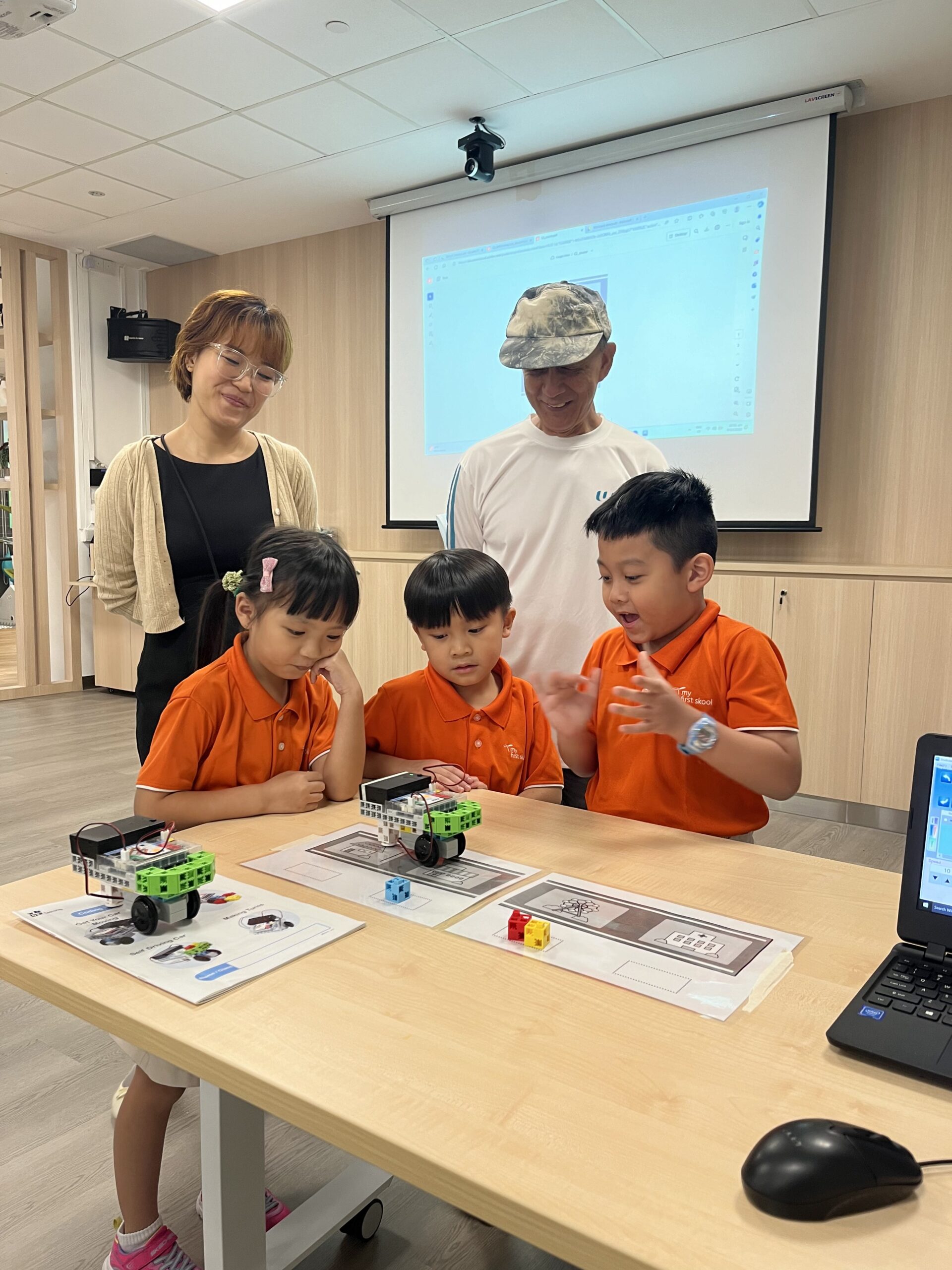
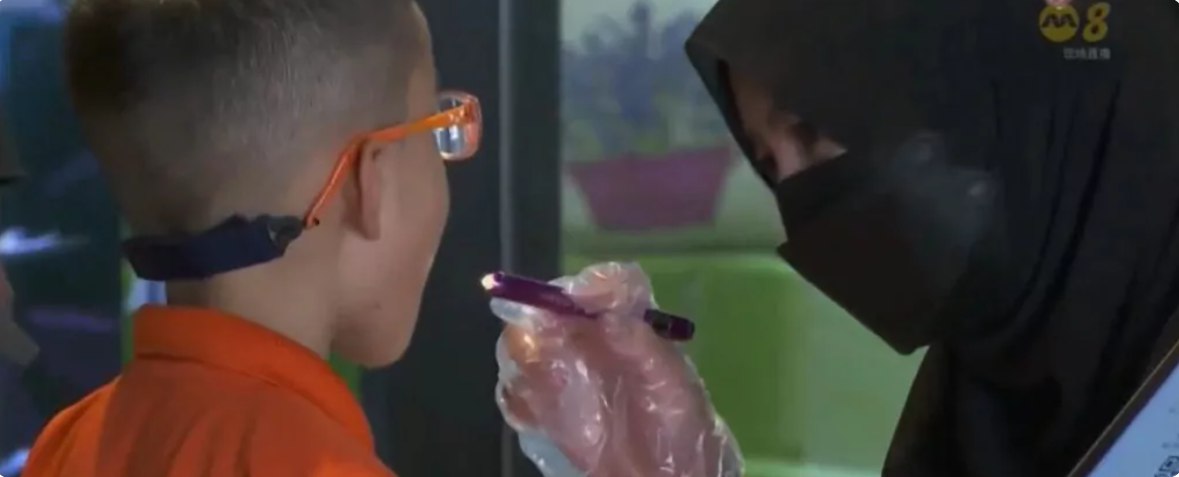
Children from My First Skool at Kampung Admiralty participated in an intergenerational coding and robotics session along with seniors from the NTUC Health Active Ageing Centre (Care) (Kampung Admiralty) on 6 December.
The elderly guided the children in building robots using blocks and coding the robots to perform tasks.
In an interview with CNA, Kaulder Lee Xu Bin, 6, a child from MFS, expressed his delight in engaging with the seniors during the coding session.
The positive interactions were captured on film, with footage of MFS children being featured on CNA, Channel 8 and BERITA Mediacorp. Intergenerational exchanges like this not only benefit the seniors but also contribute to the holistic development and social growth of the children from My First Skool.
Learn more about our structured Intergenerational (IG) Programme to promote regular interaction between preschoolers and seniors here.
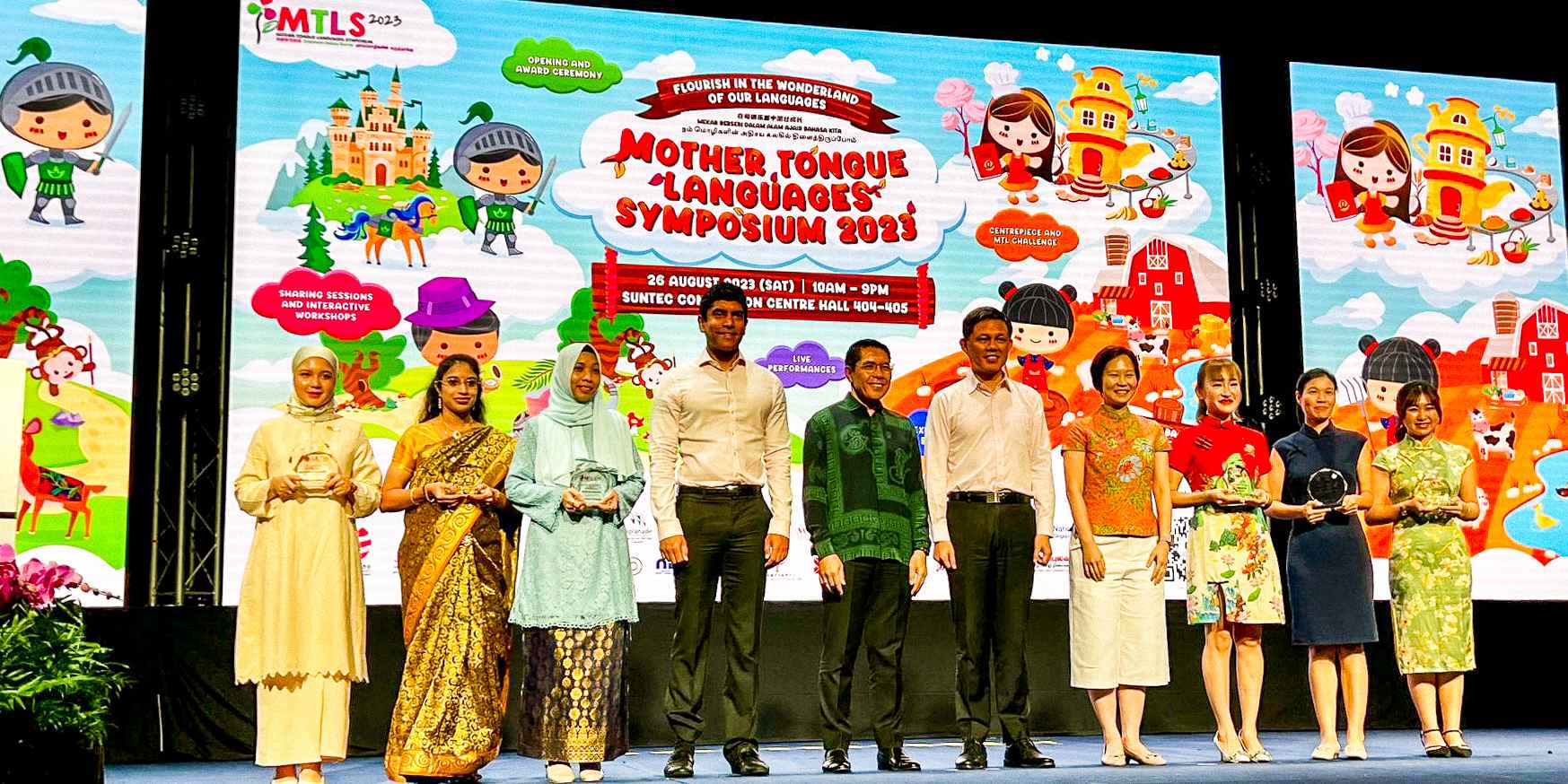
Three My First Skool’s early childhood educators were recognised at this year’s ECDA Awards 2023 award ceremony on October 28.
The ECDA Awards for Excellence in Early Childhood Development recognises the exemplary achievements and accomplishments of educators, early intervention professionals, leaders and centres that have excelled in their teaching and learning, and innovative practices in the early childhood sector.
This is a list of our winners and finalists for the ECDA Awards 2023:
3. Promising Educator Award: Nur Atikah, Lead Teacher, My First Skool (Blk 491 Admiralty Link)
4. Outstanding Early Childhood Leader (Finalist): Josephine Choo, Principal, My First Skool (49 Rivervale Crescent)
5. Outstanding Infant Educator (Finalist): Chen Feicui, Teacher, My First Skool (51 Fernvale Link)
6. Promising Infant Educator Award (Finalist): Nur Nazhifah Sainar, Teacher, My First Skool (209 Ang Mo Kio)
Victoria Ng (third from left), English Teacher from My First Skool at Blk 222C Bedok North Drive, and Nur Nazhifah (fourth from left), Infant Care Teacher from My First Skool at Blk 209 Ang Mo Kio received The Leading Foundation Teacher Award on 17 November. Two months ago, Victoria Ng, English Teacher from My First…
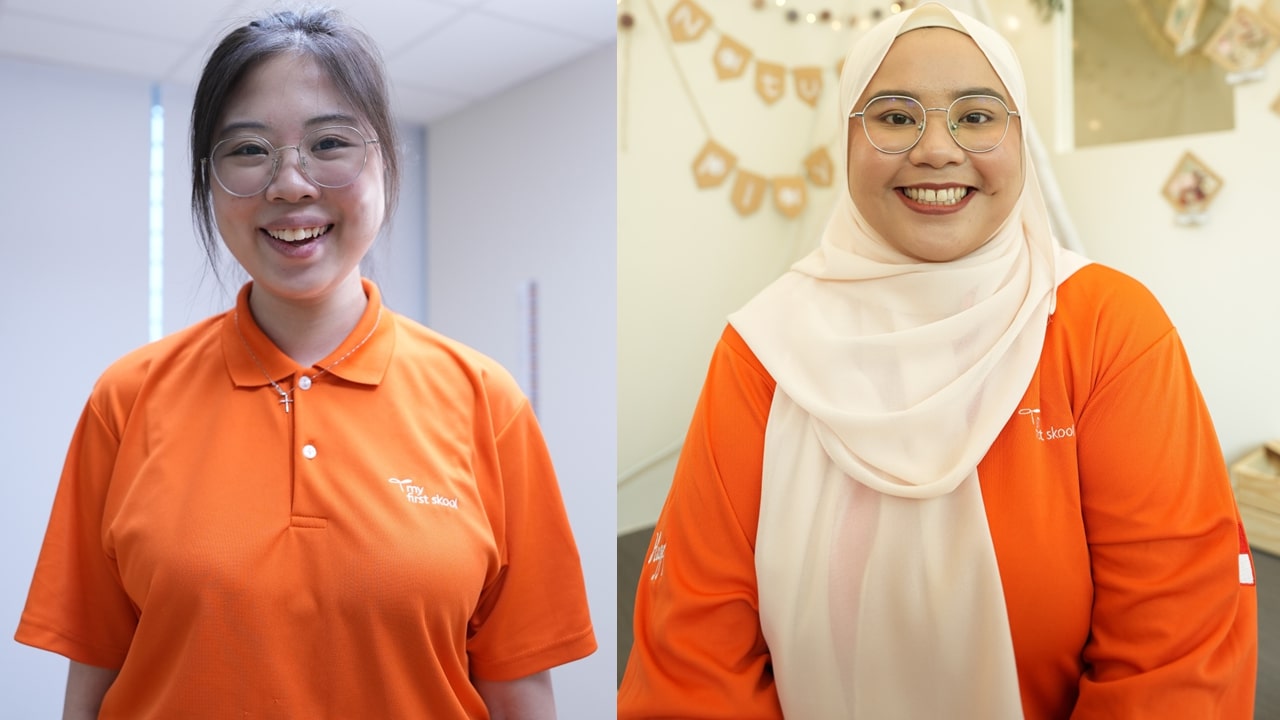
Victoria Ng (third from left), English Teacher from My First Skool at Blk 222C Bedok North Drive, and Nur Nazhifah (fourth from left), Infant Care Teacher from My First Skool at Blk 209 Ang Mo Kio received The Leading Foundation Teacher Award on 17 November.
Two months ago, Victoria Ng, English Teacher from My First Skool (MFS) at Blk 222C Bedok North Drive tasked the children in her class with building a structure that could withstand harsh weather conditions. As she observed the children hard at work, she anticipated that the children would construct a shelter to protect their creation. To her surprise, the children added two figurines to protect their figurines instead. Upon prodding, they told her they had constructed two Buddha statues to protect the building from any harm.
The children could come up with this unconventional solution because of Victoria’s unique teaching style. Deeply rooted in the ‘Mimamoru’ approach, a Japanese term meaning ‘watch and wait’, Victoria’s teaching style cultivates active learners who take initiative for their own learning by making decisions, applying strategies, and thinking out of the box to solve problems by themselves.
For her commitment to creating active, confident, and empathetic learners, Victoria received the Leading Foundation Teacher Award (LFTA) on 17 November 2023.
Established in 2014, the LFTA honours excellence in early childhood and special needs education in Singapore. All nominations for the LFTA are assessed by a panel of experts from the National Institute of Education (NIE), the Ministry of Education (MOE) and the Association for Early Childhood Educators (Singapore).
Another early childhood educator, Nur Nazhifah, Infant Care Teacher from MFS at Blk 209 Ang Mo Kio, was also awarded the LFTA.
A strong proponent of parent-teacher partnership, Nazhifah provides guidance and support to parents so that their children can thrive. When the centre worked with a first-time parent whose son held his breath whenever he was upset, Nazhifah implemented strategies to help the child manage his emotions and consistently updated his parents on strategies that worked in class. Nazhifah also followed up with parents on the strategies they could implement at home and because of her steadfast support, the child eventually stopped this habit.
As an Infant Care Teacher, Nazhifah’s commitment extends beyond the immediate care of infants. She actively monitors their well-being, promptly addressing any health concerns and collaborates with parents and centre leaders to facilitate their progress. Her proactive approach is evident in the development of a transition booklet and plan, ensuring a smooth progression for infants to Playgroup.
Additionally, she ensures that no child is deprived of essential needs, stepping up to help parents apply for aid, be it through KidSTART or NTUC First Campus’s charity fund Bright Horizons Fund.
For the indelible impact her tireless work has left on the lives of the children and families that she serves, Nazhifah was awarded the LFTA.
Food allergies among children have been on the rise in recent years, making it crucial for preschools to be well-prepared to cater to their unique needs. Common allergens such as egg, cow’s milk, peanuts, and shellfish can pose serious health risks for young children. Recognising this growing concern, My First Skool (MFS) has taken proactive…

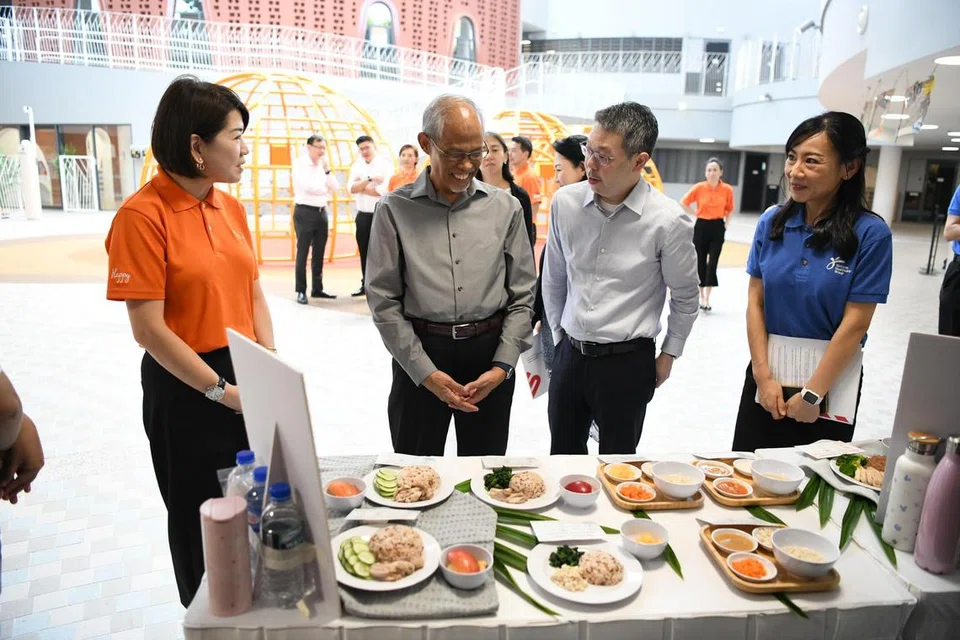
Food allergies among children have been on the rise in recent years, making it crucial for preschools to be well-prepared to cater to their unique needs. Common allergens such as egg, cow’s milk, peanuts, and shellfish can pose serious health risks for young children.
Recognising this growing concern, My First Skool (MFS) has taken proactive measures to ensure the safety and well-being of children with food allergies. Through a collaborative effort involving parents and educators, children with food allergies can enjoy a supportive and allergen-aware environment that promotes their overall development and happiness.
An Allergy Emergency Response Plan
Parents are encouraged to share medical memos from their child’s doctors detailing their allergies and the necessary steps to take in the event of an allergic reaction, as the information will be useful for teachers to make the necessary preparations and respond to these potential situations,” said NFC.
All 156 MFS centres also have an Allergy Emergency Response Plan in place. This plan outlines the steps that teachers should follow in the event of an allergic reaction. Immediate medical attention is a top priority, and teachers are well-equipped to handle any emergencies that may arise. First aid training is a mandatory course for all MFS educators, and the teachers will be able to administer first aid when necessary.
Photo Credits: Pexels
Picture: Channel NewsAsia A Channel NewsAsia documentary delving into whether inequality is exacerbated in Singapore schools featured NTUC First Campus’s (NFC) Child Support Model, and how it closes the gap by enabling children from disadvantaged backgrounds to benefit from a quality preschool education. Rita Lim, Manager of Learning Support at NFC’s Child Support Services Department shared how…

Picture: Channel NewsAsia
A Channel NewsAsia documentary delving into whether inequality is exacerbated in Singapore schools featured NTUC First Campus’s (NFC) Child Support Model, and how it closes the gap by enabling children from disadvantaged backgrounds to benefit from a quality preschool education.
Rita Lim, Manager of Learning Support at NFC’s Child Support Services Department shared how the Child Enabling Executives support the financially underprivileged through various programmes and resources. She added that NFC offers language learning and numeracy support to children, to enable them to catch up with their peers in academic development. The programme also featured one of NFC’s beneficiaries Mdm Siti Muhairah Binte Haizen, who shared how her three children benefited from preschool education at NFC’s preschools.
View the CNA Documentary below. (For the feature on NFC, please refer to time code: 15:49-17:11.)
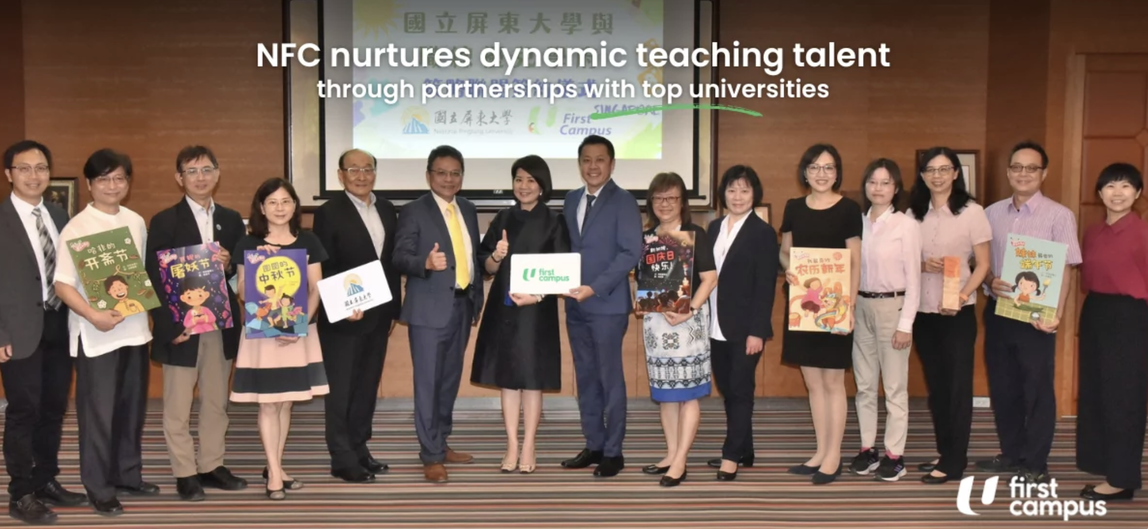
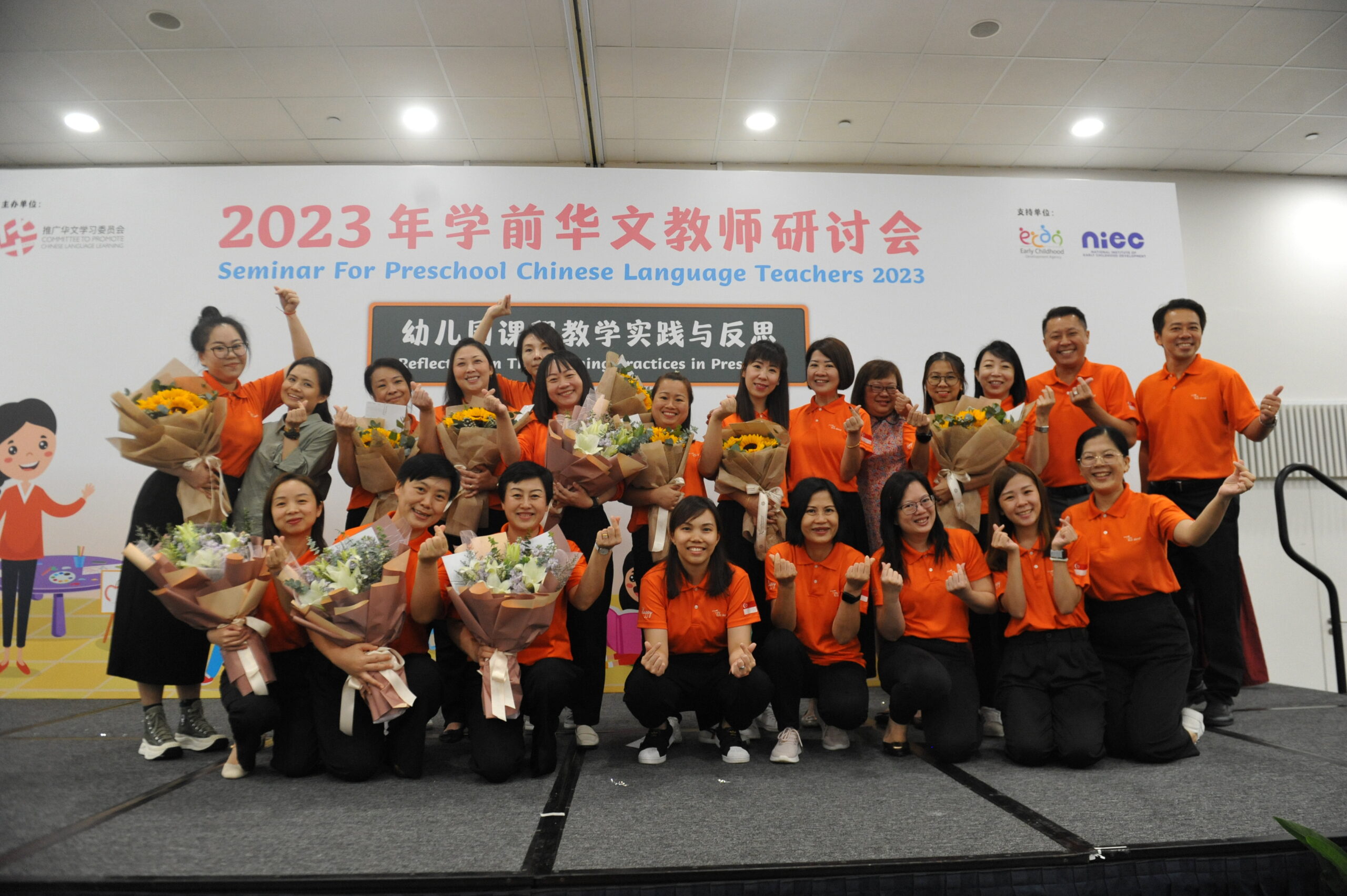
NTUC First Campus (NFC) has signed Memorandums of Understanding (MOU)s with three overseas universities to provide their students with internship and employment opportunities as Chinese Language teachers at NFC’s preschools. NFC’s overseas collaborations with universities augment its pool of teachers hired locally and overseas.
The three universities, based in Taiwan, are National Pingtung University (國立屏東大學), Hungkuang University (弘光科技大学) and Shu-Te University (樹德科技大學).
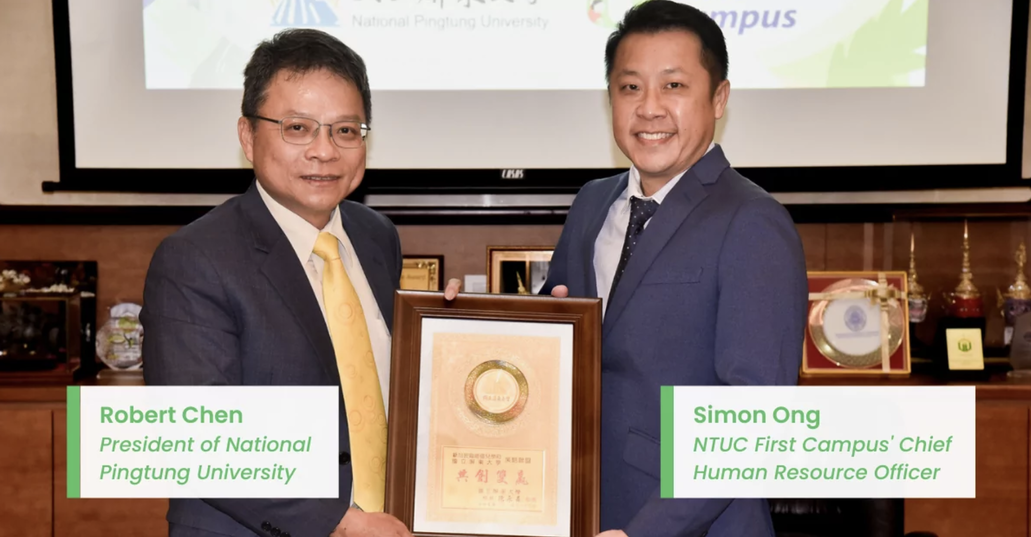
“As a leader in Singapore’s early childhood care and education, NTUC First Campus places a strong focus on building effective bilingualism and inculcating a love for learning Mother Tongue. Our innovative Mother Tongue curriculum has won us many awards. These latest collaborations with three esteemed universities are further testament to our continuing commitment to delivering high-quality Mother Tongue Language education,” Dr Connie Lum, NFC’s Director of Mother Tongue Languages Curriculum said.
“NTUC First Campus collaborates with overseas universities to create attachment or internship opportunities in our preschools for overseas teaching talent. By tapping on talent beyond Singapore, we ensure a steady pool of highly trained and passionate teachers to support our vision of enabling every child to realise their best potential and in creating bright futures for them,” said Simon Ong, NFC’s Chief Human Resource Officer.
“We are happy to receive interns from overseas universities at My First Skool as they add diversity and strengthen our teaching team through their experiences, and help build a culture of learning and collaboration,” said Thian Ai Ling, General Manager of My First Skool (MFS). MFS has 155 preschool centres in Singapore.
President Robert Chen from National Pingtung University looks forward to more exchanges and cooperation with NFC in the future. “Education is the foundation of the university, and exporting quality education is equally important, so that the teaching quality of the University’s students and teachers can be acknowledged,” he said.
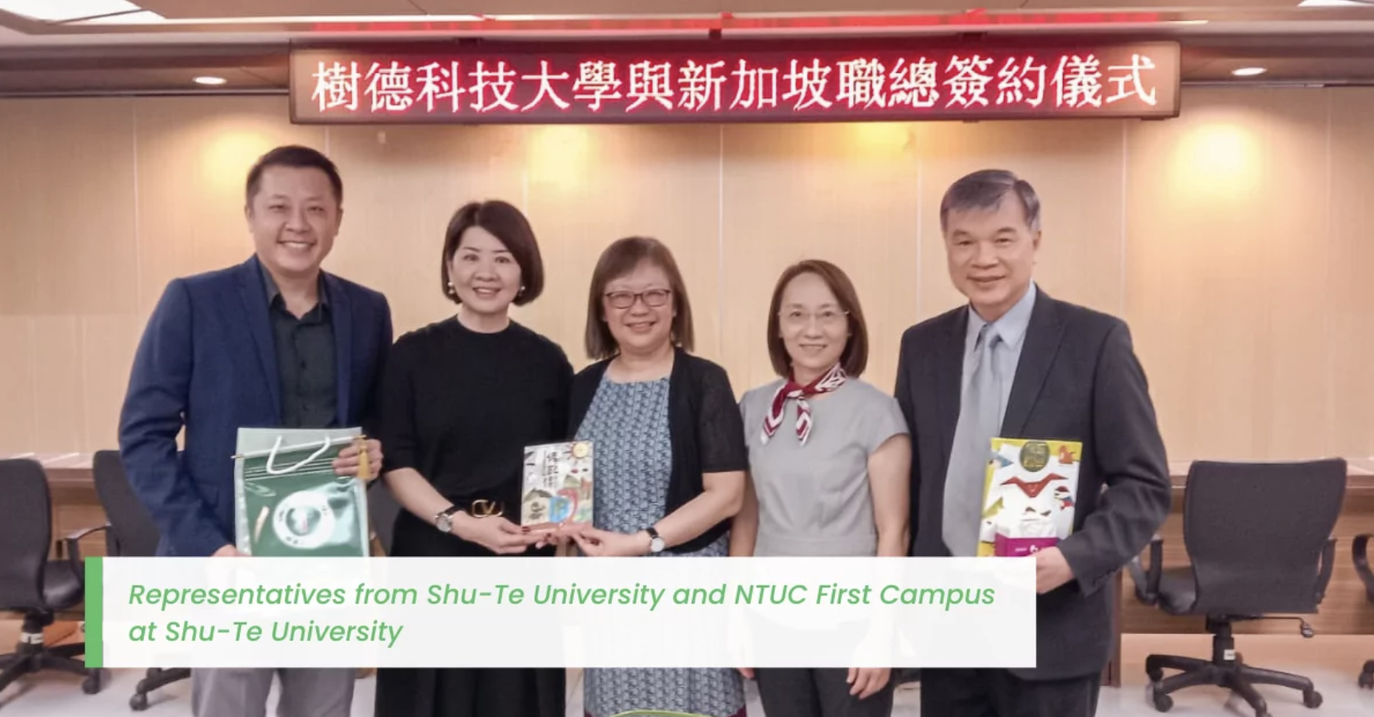
“This collaboration with NTUC First Campus is of great significance to students’ overseas internships, employment, and interactive exchanges in the field of education and childcare, as it enables students to gain practical experience in theory and practice during the stints at NTUC First Campus’s preschools,” said Dr Lee Shu-Hui, Vice Dean of Shu-Te University. Shu-Te University’s Department of Early Childhood Education nurtures kindergarten teachers, family education professionals, and early intervention and education professionals. The department also manages six government-commissioned public education and childcare service agencies and two home-based childcare service centres.
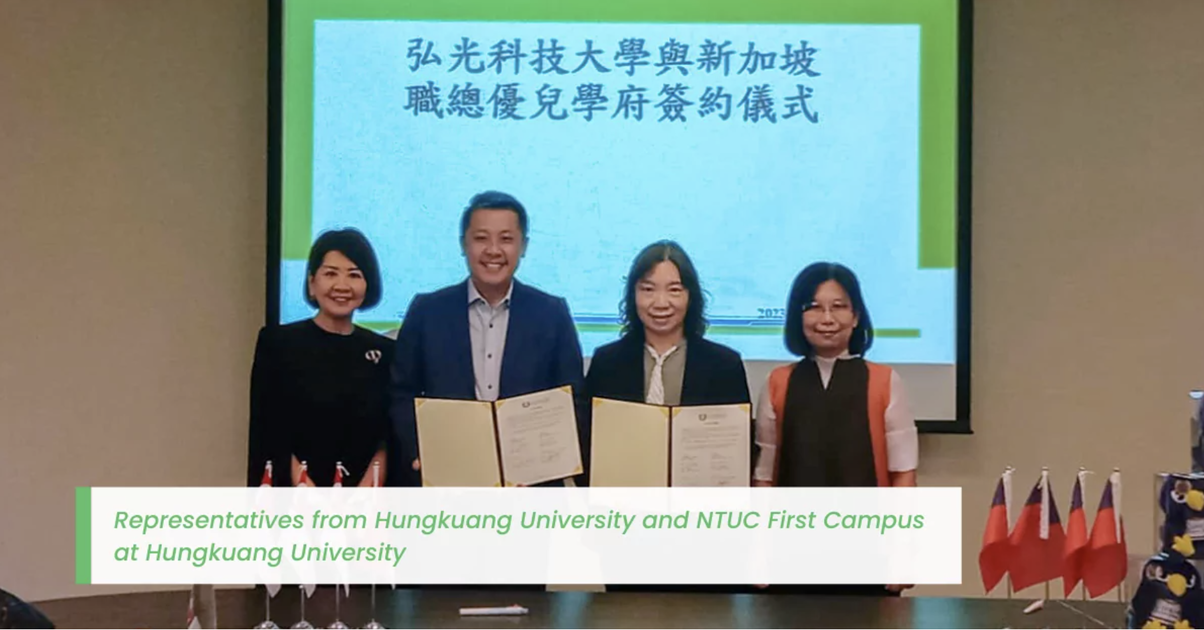
Since 2011, Hungkuang University has collaborated with NFC to enable Taiwanese students to intern and work at NFC’s preschool centres. “Since 2011, 50 alumni have interned or worked at NFC’s preschools, promoting the development of bilingualism and facilitating exchange of experiences,” said Dr Pan Shih-Tsun, Vice President of Hungkuang University. Currently, there are 16 Hungkuang University alumni who are part of NFC’s teaching staff, with five serving as lead teachers. Alumna Lim Wen Zhi who works as a Chinese Teacher at My First Skool at Blk 209 Ang Mo Kio also received various teaching awards for her outstanding performance in teaching the Mother Tongue Language.